






 Portuguese
  Spanish


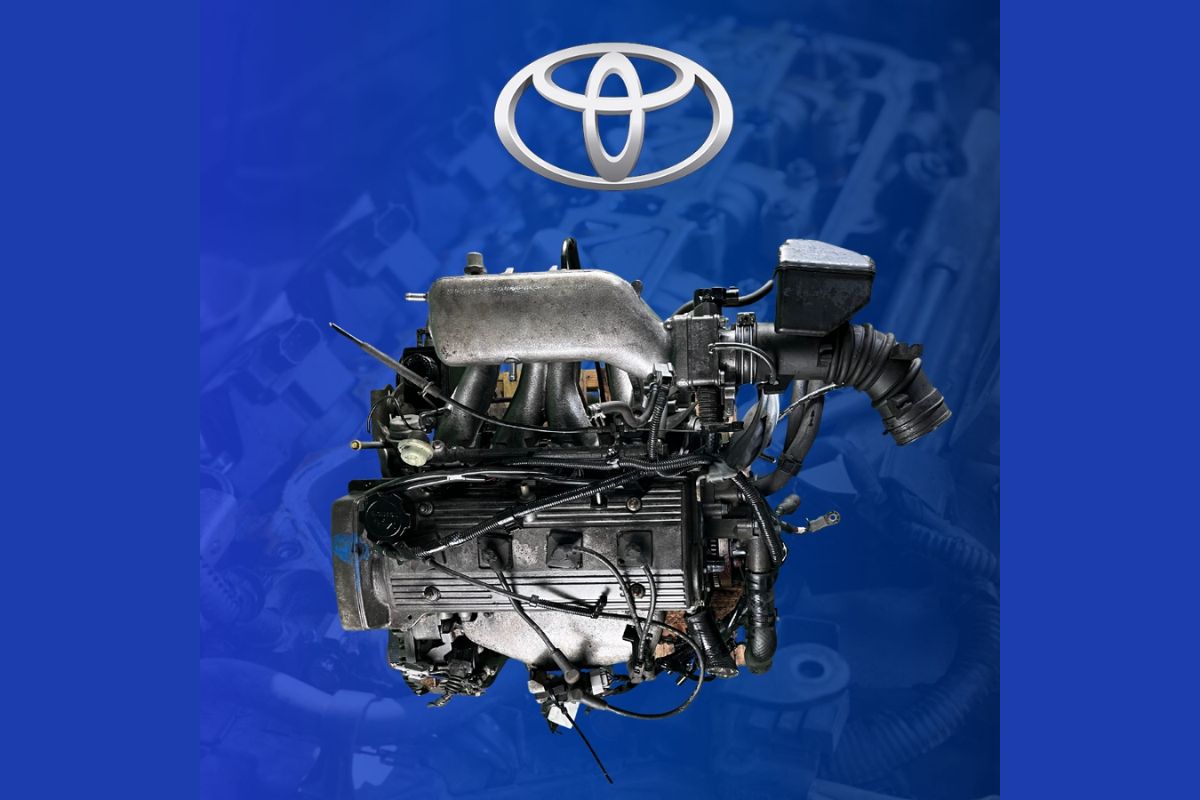


The Swap Of The 1.6 Engine For The 1.8 When The Sedan Became National Was Not A Cost Cut, But A Strategic Adaptation. Understand The Engineering Behind The Corolla Engine.
The Toyota Corolla has a reputation for almost legendary reliability in Brazil, a fame that began to be built with the first imported models from Japan in the 90s. They set a new standard for quality and durability. When Toyota opened its factory in Indaiatuba (SP) in 1998, a crucial change was made at the heart of the car: the Corolla engine.
This transition from the 1.6 engine to the 1.8 in the first national Corolla was not a simplification, as many might think. On the contrary, it was a strategic engineering decision to “tropicalize” the car, adapting its performance to the taste and usage conditions of Brazilian drivers, delivering an even more suitable Corolla engine for the country.
The “Japanese” Corolla Engine: The 4A-FE That Built The War Tank Reputation
In the early 90s, with the reopening of imports, the 7th generation Corolla (E100) arrived in Brazil. It was a global car, focused on comfort and efficiency, and its engine was the embodiment of Toyota’s philosophy.
-
WHO Warns of Unnecessary Interventions in Natural Births Worldwide, Advocates for More Human-Centered Care, Reigniting Debate on Medicalization

-
World War II American Bombs Discovered in German City Prompt Evacuation of 20,500 Residents

-
World’s Largest Ice Cave Extends 42 km Beneath Austrian Alps, Revealing a Vast Frozen Realm Preserved by Natural Air Currents

-
Volcanic Soils from Destructive Eruptions Turn into Million-Dollar Crops: Ashes Nourish Grapes in Lanzarote, Bananas in the Canary Islands, Blood Oranges on Mount Etna, and Cacti in Mexico, Showcasing How Lava-Formed Lands Sustain Rare Harvests in Seemingly Barren Regions



The imported Corolla engine was primarily the 1.6 4A-FE. With four cylinders, 16 valves, and 106 hp, it was known for being “oversquare” (piston diameter larger than the stroke), which favors operation at higher RPMs. It was this engine that, due to its extreme robustness and low maintenance, created the image of a “war tank” for the Corolla in Brazil, a pillar of trust that paved the way for local production.
Nationalization In 1998: The Arrival Of The Corolla 1.8 7A-FE Engine
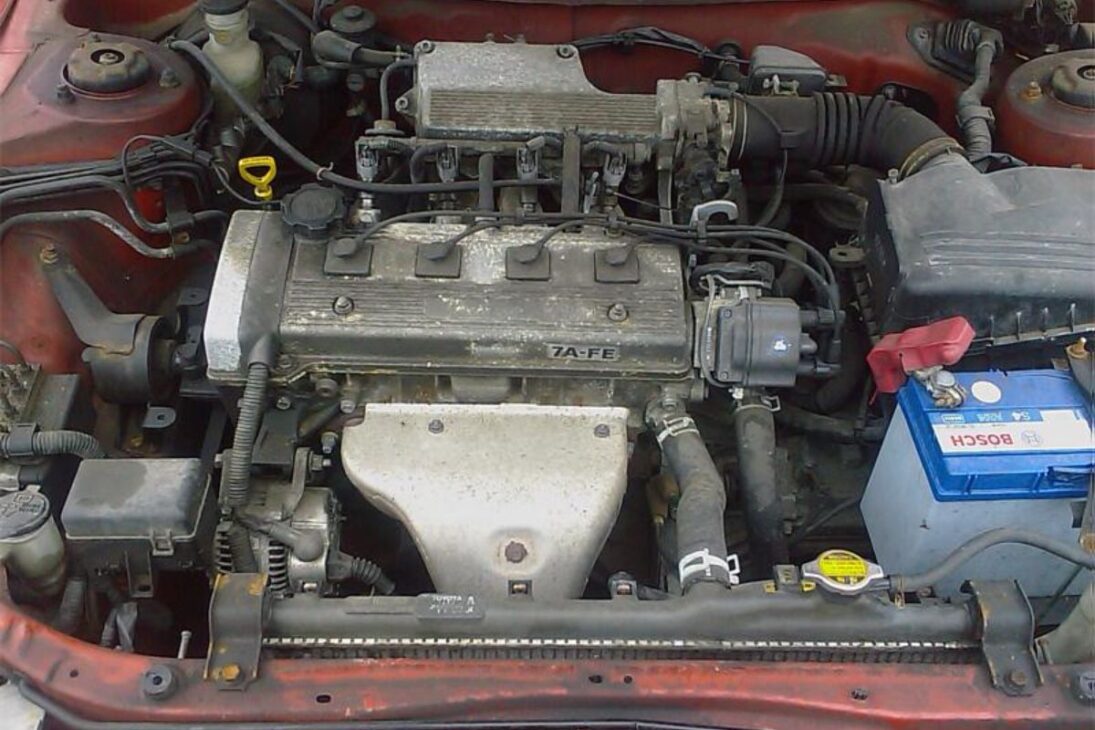
With the success of imports, Toyota decided to produce the Corolla in Brazil starting in September 1998. The chosen model was the 8th generation (E110), but it came with a fundamental change: the exclusive adoption of the 1.8 7A-FE engine.
This swap was an intelligent adaptation to the Brazilian market. Toyota understood that local drivers needed a car that was more agile in urban traffic and had more power for highway acceleration. The solution was to evolve the already established engine, maintaining its reliability but adjusting its behavior. The new national Corolla engine, with 116 hp, was designed to deliver more torque, making the car more enjoyable and responsive in everyday situations.
“Revver” Vs. “Torque”: The Fundamental Technical Difference Of The Corolla Engine
The genius of the change lies in the technical details. The 1.8 7A-FE engine was not a new project, but an evolution of the 1.6 4A-FE. Both share the same cylinder diameter (81.0 mm), but Toyota increased the piston stroke from 77.0 mm to 85.5 mm.
1.6 4A-FE Engine (Japanese): was “oversquare”, a more “revver” engine that likes high RPMs to deliver its power.
1.8 7A-FE Engine (Brazilian): became “undersquare” (stroke larger than diameter), a more “torquey” engine that offers more strength at low and medium RPMs.
This change in piston stroke completely altered the character of the Corolla engine, making it stronger in the most common situations of Brazilian traffic, such as traffic light starts and climbs, without requiring the driver to “rev” the engine unnecessarily.
Myth Or Truth: The Imported Corolla Was Really Better Than The National?
The perception that “the Japanese was better” is a common myth. Although the national Corolla engine was objectively more suitable for Brazil, the origin of this belief may lie in peripheral details. Cars assembled in different countries use local suppliers for parts such as tires, windows, and sound insulation materials.
These small differences in sensory experience (like road noise or the sound when closing the door) may have fueled the idea that the imported model was superior. However, the core engineering, assembly quality, and, above all, the reliability of the engine were maintained at Toyota’s highest standard at the Indaiatuba factory.
The Legacy Of Reliability Of The Corolla Engine: Which To Choose Today?


Both engines, 4A-FE and 7A-FE, are extremely durable and belong to the category of “non-interference” engines, which means that in case of a timing belt failure, the valves do not collide with the pistons, preventing costly damage.
For those looking for a classic Corolla today, the choice is a matter of profile:
Import Corolla 1.6 (4A-FE): the choice for the purist, who values 100% Japanese origin and seeks a slightly more economical engine.
National Corolla 1.8 (7A-FE): the pragmatic and more recommended choice. It offers a more agile and comfortable driving experience, with a Corolla engine designed specifically for Brazilian reality.
The truth is that the nationalization of the Corolla was an intelligent evolution, that solidified its leadership and reputation in the country for generations.




Esse motor 1.8 nacional é o mesmo até sair de linha no corolla ou já produziram outro motor 1.8 para o corolla mais novo?
Porque agora só tem o 2.0!