





 Portuguese
  English
  Spanish
  6 min of reading
  0 comments


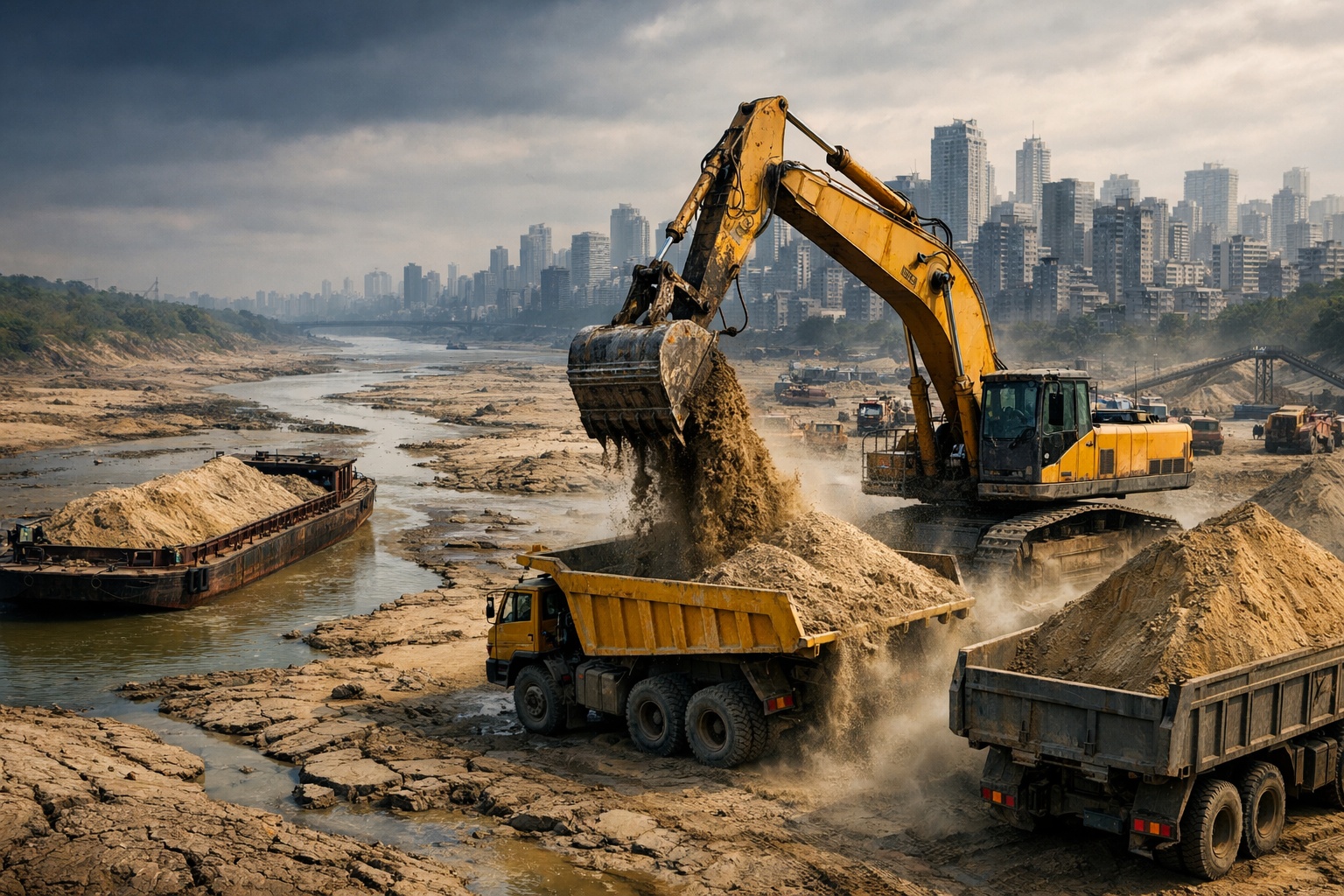
Concrete Is The Most Consumed Material in The World After Water: Humanity Produces 26 Billion Tons Per Year, More Than 3 Tons Per Person, Supporting Cities, Roads, And Dams.
There is one material that is literally everywhere. In the walls of the hospital where we are born, on the roads we travel, in the tunnels we pass through, in the dams that generate electricity. No other product made by humans — except for water — is consumed in greater quantities in the world. And yet, almost nobody asks where it comes from, what it costs to produce it, or what happens to the planet as demand for it continues to grow relentlessly. Concrete is the invisible substance that sustains modern civilization. And the numbers behind its production are so absurd that it is hard to comprehend them without a concrete reference: humanity produces approximately 26 billion tons of concrete per year. That is equivalent to more than 3 tons per person on the planet for every man, woman, and child alive today.
The Most Consumed Material That No One Sees
The logic of the construction industry rarely enters the climate debate with the same urgency as oil or deforestation. But the scientific data published in the academic journal PMC — linked to the National Institutes of Health in the United States — puts the concrete industry in a disturbing perspective: in 2020, the annual production of virgin aggregates for concrete, i.e., sand and gravel extracted directly from nature, reached 20 billion tons.


This volume surpassed the total of all fossil fuels extracted on the planet during the same period, which amounted to about 15 billion tons.
-
Building a 95-square-meter house in 2026 can start at around R$ 185,000 at the reference base and exceed R$ 330,000 in high standard, but the final cost depends on the land, finishing, fees, and the region, with the South of the country being among the most expensive in Brazil.

-
A small church built in 7 weeks in 1961 stands surrounded by skyscrapers in Balneário Camboriú, the city with the most expensive square meter in Brazil, accommodating only 60 people and defying decades of verticalization and luxury on the coast of Santa Catarina.

-
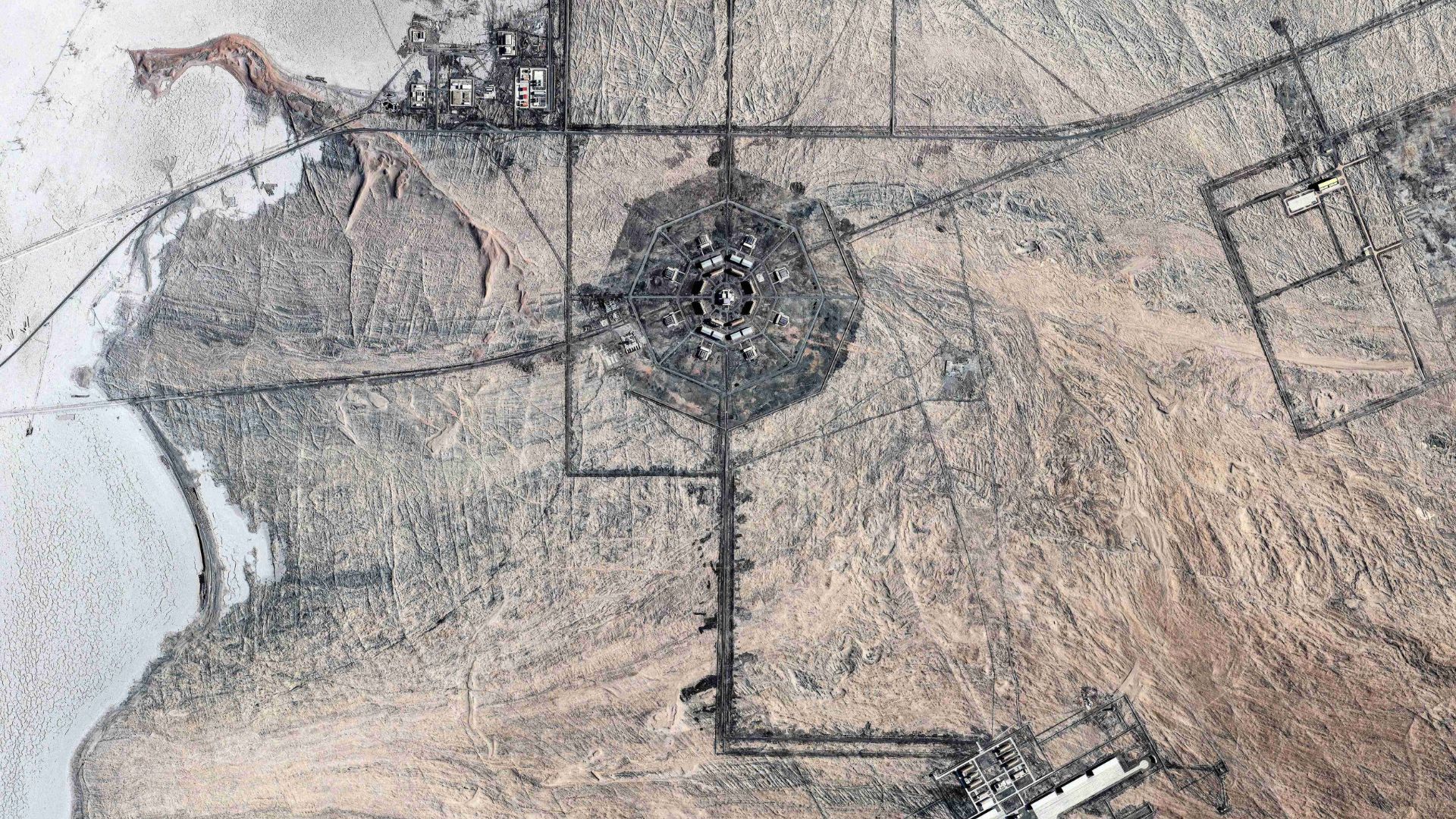
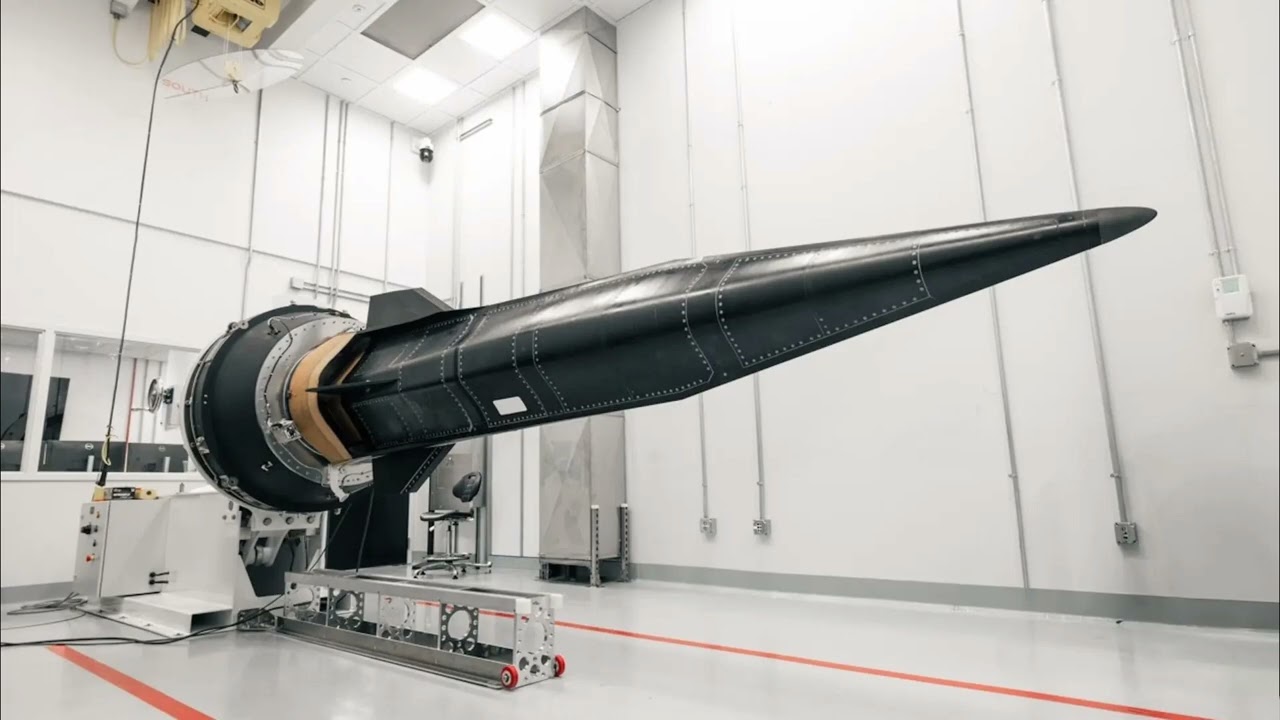
Satellite images analyzed by Reuters reveal that China is building a vast network of over 80 launch platforms, bunkers, and communication centers in the Xinjiang desert near its nuclear silos, in an effort that analysts say aims to ensure the capability to retaliate in the event of an attack.
-
The Supreme Court approved Ferrogrão by nine votes to one, the railway that had been stalled for five years and is expected to provide a shorter route for soybeans from Mato Grosso to flow towards the north of the country.
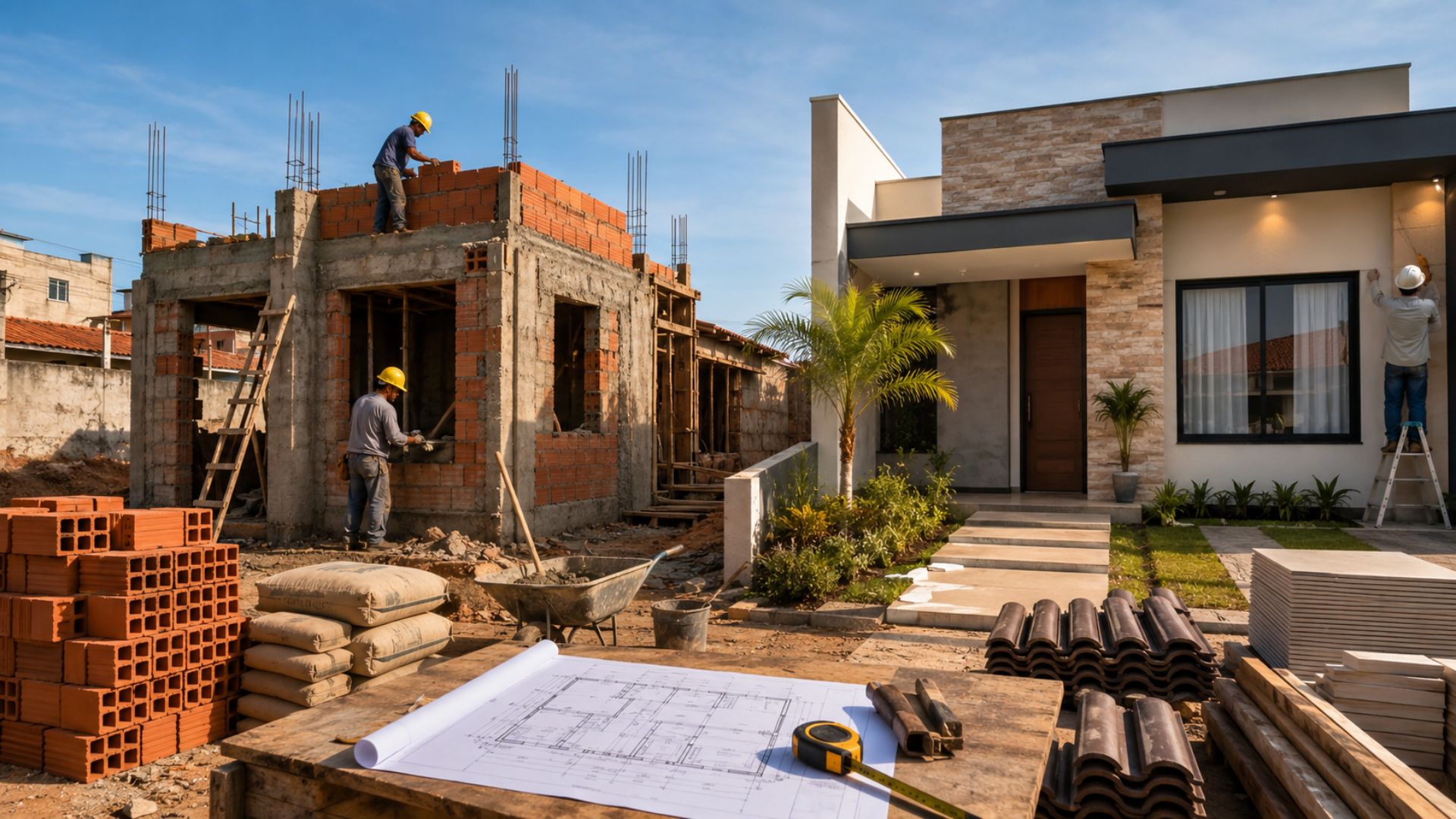


To produce concrete, four components are needed: cement, sand, gravel, and water. Cement is the binding agent, the “glue” that holds everything together. Sand and gravel form the mass. The ratio is brutally resource-intensive: each cubic meter of concrete requires approximately 300 kilograms of cement, one cubic meter of aggregates, and 120 liters of water.
Multiplied by 26 billion tons per year, the result is industrial pressure on rivers, mountains, and aquifers that has no parallel in any other human activity.
The Problem That No One Calls A Crisis
The sand used in construction is not desert sand. This is one of the most counterintuitive facts about the industry. The grains shaped by the wind in deserts are too round to fit together and create solid structures — they simply do not bond with cement in the necessary way.
The sand suitable for concrete comes from rivers, lake beds, and the ocean floor. It has edges, roughness, and a geometry that allows for mechanical bonding between the grains.

The most emblematic example of this limitation is Dubai itself. Surrounded by one of the largest deserts in the world, the city had to import sand from Australia to complete the construction of the Burj Khalifa, the tallest structure on the planet. The sand around it was abundant but useless.
Unexpected Surprise: Global Volume of Sand and Gravel Extracted From Natural Environments Reached 50 Billion Tons
The global volume of sand and gravel extracted from natural environments reached 50 billion tons per year in 2019, according to the United Nations Environment Programme (UNEP). Demand has tripled in the last two decades. And the central problem is that rivers — the main source of this sand — cannot replenish the material at the same rate it is being extracted.
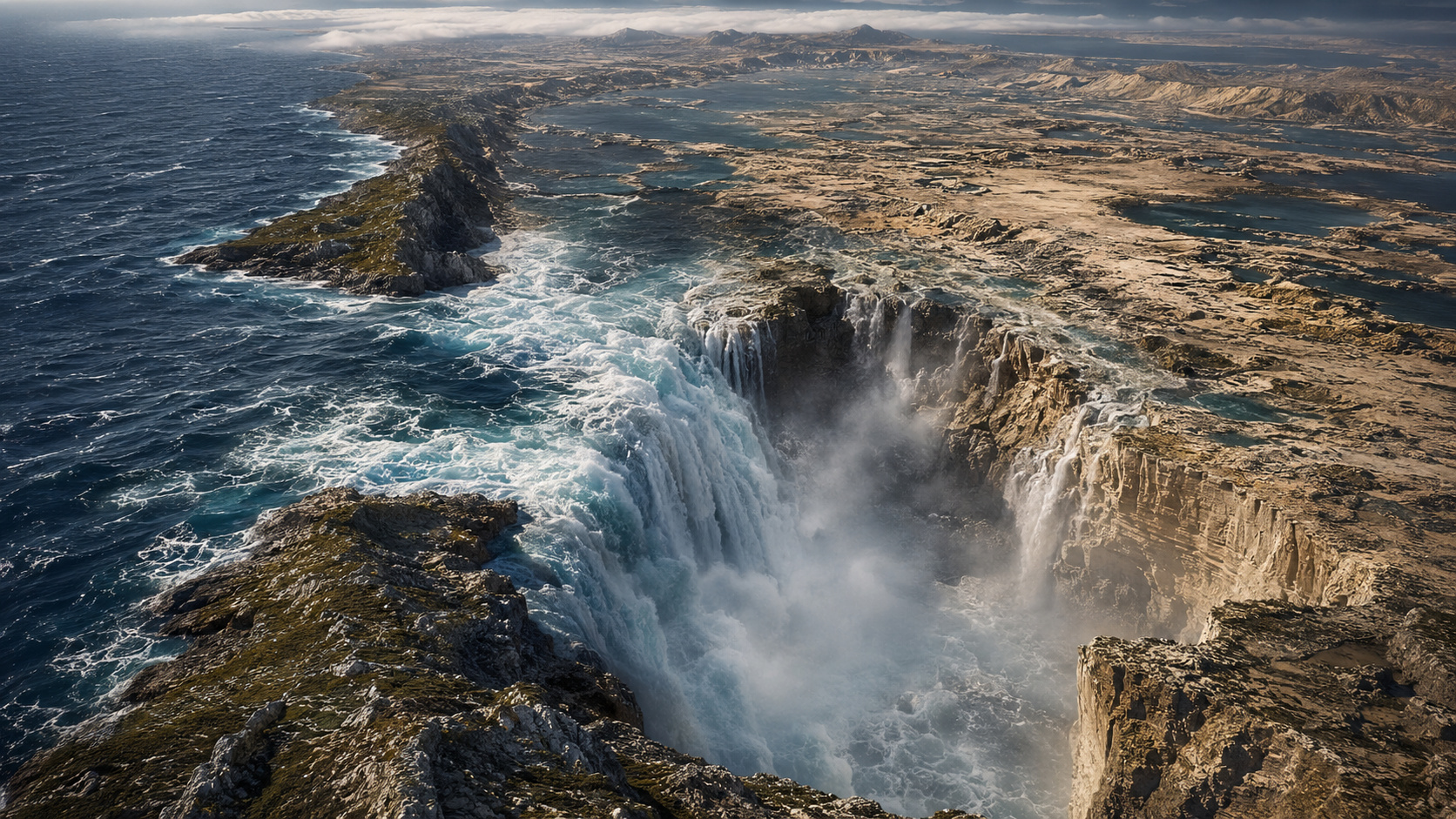
When the bed of a river is dredged beyond its capacity for replenishment, a series of chain reactions occur. The channel deepens and widens. The adjacent water table drops because groundwater drains into the void created.
The banks destabilize and collapse. Aquatic habitats are destroyed. In extreme cases documented in South and Southeast Asia, where sand mining is most intense, rivers that used to sustain entire populations and provided natural protection against floods lost that capacity within a few years of uncontrolled extraction.
Researchers from the University of Amsterdam published a systematic review in 2022 in the scientific journal Science of the Total Environment with a conclusion that summarizes the current state: the demand for construction sand is growing at such an accelerated rate that the world may face critical shortages of this resource by 2050.
The Invisible CO₂ in Every Building
The second major problem with concrete is what happens before it gets to the construction site. The production of cement — the ingredient that gives concrete its strength — is one of the most carbon-intensive industrial processes that exist.
To make Portland cement, the standard used in 98% of construction around the world, limestone and clay must be heated to approximately 1,450°C in industrial furnaces.
In this process, an inevitable chemical reaction occurs: calcium carbonate decomposes into calcium oxide and CO₂. There is no way to eliminate this CO₂ just by changing the fuel or improving process efficiency, because it comes from the chemical reaction itself, not from energy combustion.
Each Ton of Cement Releases About 900 kg of CO₂
The result: each ton of cement produced releases about 900 kg of CO₂ into the atmosphere. With 4 billion tons of cement produced annually worldwide, the numbers are staggering.
The cement and concrete industry accounts for approximately 8 to 9% of all global CO₂ emissions generated by humans, more than aviation and shipping combined. If it were a country, the cement industry would be the third largest emitter in the world, behind only China and the United States.
Between 1990 and 2020, concrete production quadrupled. During the same period, despite technical advances that reduced emissions per ton produced by about 20%, the total volume of emissions tripled — because production growth simply swallowed any efficiency gains.
Why Is It So Hard To Replace Concrete In The World?
The world’s dependence on concrete is not an historical accident. It is a direct consequence of the material’s properties: compressive strength, durability, relative low cost, availability at any latitude, and ease of molding into any shape. No existing alternative combines all these attributes at the same time.

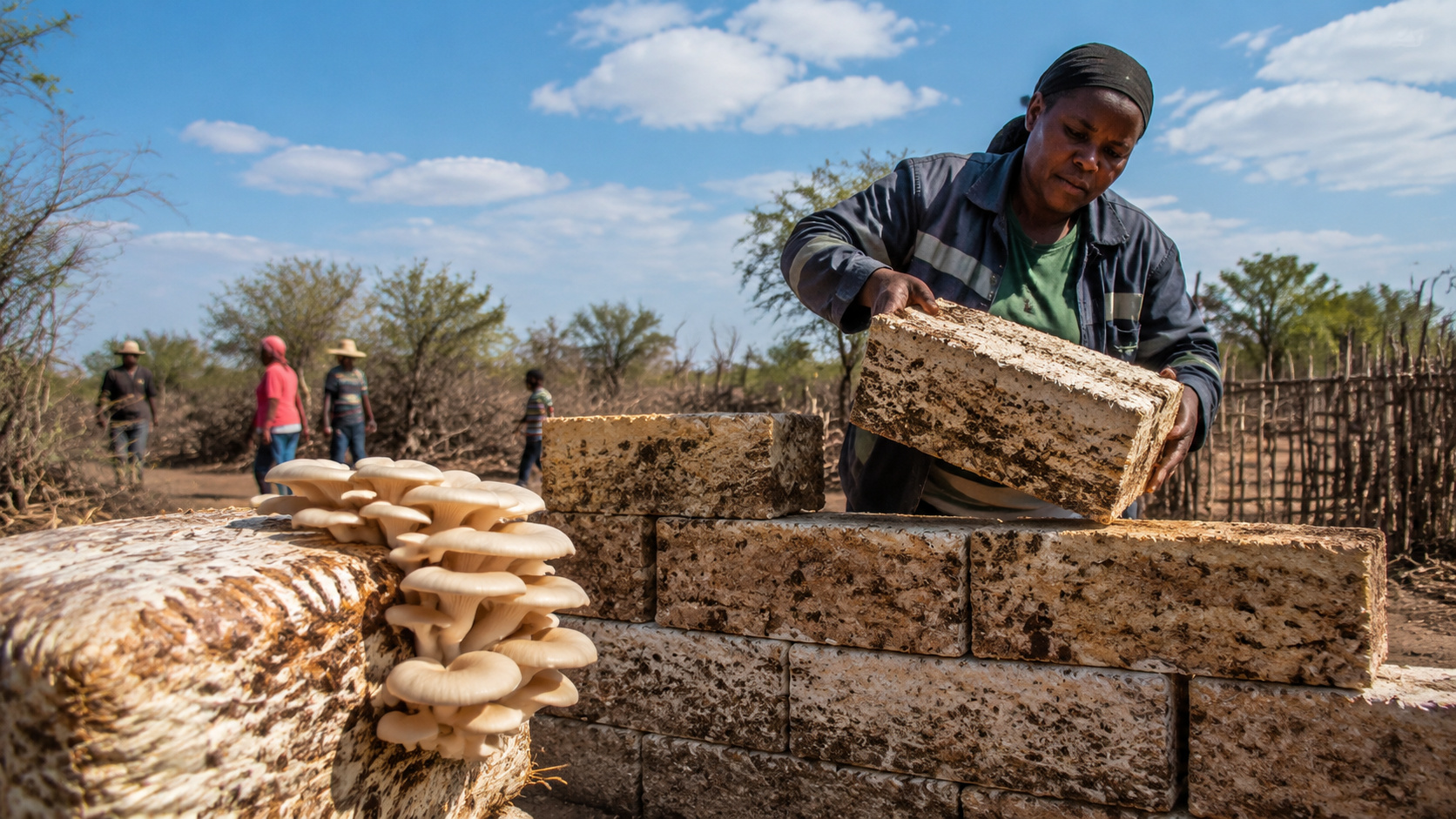
There are promising paths. Geopolymer concrete, developed from industrial waste such as fly ash from power plants and blast furnace slag, can reduce emissions by up to 80% compared to conventional Portland cement.
Researchers at the Royal Melbourne Institute of Technology have developed concrete that incorporates shredded tire rubber, resulting in a material that is up to 35% stronger than traditional concrete. Companies like Brimstone in the United States are developing processes to manufacture cement from calcium silicate rocks that, unlike limestone, do not release CO₂ during processing.
Advances In The Use Of Emerging Technologies In The Cement Industry
Carbon capture and storage (CCS) technology is also specifically advancing for the cement industry. In 2024, the Norwegian city of Brevik opened the world’s first cement plant with an integrated CO₂ capture system, developed by Heidelberg Materials. The captured CO₂ is geologically stored at the bottom of the North Sea.
But all these technologies face the same obstacle: scale. The global cement market moves volumes that no alternative has been able to replicate commercially.
And with demand for infrastructure expected to grow even more in the coming decades, especially in developing regions of Asia, Africa, and Latin America, the gap between what innovation promises and what the industry can deliver may be too long for global climate goals.
The Paradox Of Infrastructure And Climate
There is a difficult tension to resolve at the center of the debate over concrete. On one hand, the material is essential for climate adaptation: flood containment dams, drainage systems, water infrastructure, and housing resistant to extreme events depend on it. On the other hand, producing it at scale directly contributes to the global warming that makes these adaptations necessary.

The World Economic Forum estimates that to house the projected urban population by 2050, it will be necessary to build, over the next 30 years, the equivalent of all the infrastructure that humanity has built throughout its history. This volume of construction will not happen without concrete.
The question that the sector will need to answer in the coming decades is not whether concrete will continue to be used — it will. The question is whether we can produce this concrete in a radically different way than we currently do before the environmental cost of maintaining built civilization becomes too great to ignore.







-

1 person reacted to this.