Portuguese
  Spanish


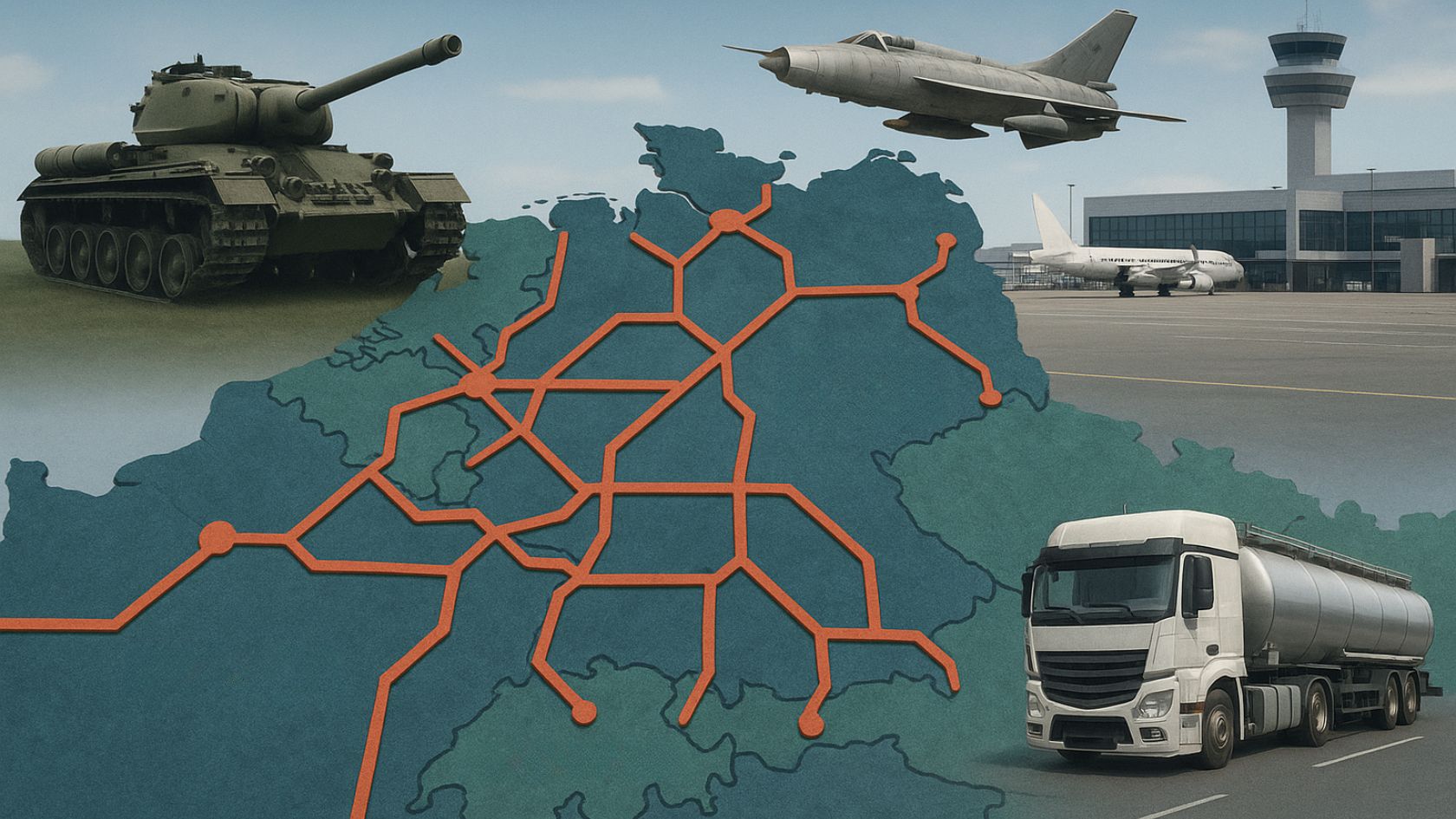

How The NATO Secret Pipeline, Created To Supply Forces During The Cold War, Became A Key Piece For Airports And Industries And Keeps Fuel Flowing In Peace In Europe.
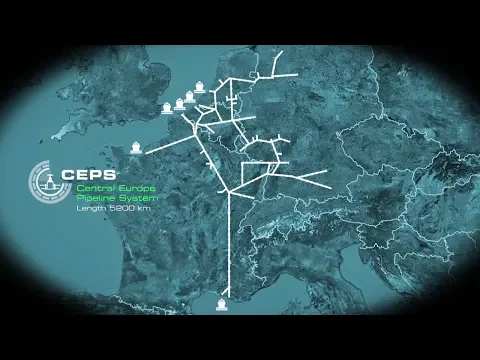
Few people know, but beneath the fields, roads, and cities of part of Europe lies a network of over five thousand kilometers of pipelines that was essential during the Cold War and remains active today. It’s the NATO pipeline, officially called Central Europe Pipeline System (CEPS), a strategic system created to ensure fuel for allied military forces and which currently also supplies the civilian sector in several countries.
The Birth Of The NATO Pipeline During The Cold War
The NATO pipeline began construction in the 1950s, during the height of the Cold War. The idea was clear: to ensure a fast, secure, and uninterrupted supply of fuel for the tanks, planes, and vehicles of allied forces in case of conflict with the Soviet Union. The network was implemented at strategic points in Belgium, France, Germany, Luxembourg, and the Netherlands, connecting refineries, depots, and military bases.

This structure allowed allies to maintain their operations with the necessary supply, even in wartime scenarios, without relying on transport by trucks or trains, which were more vulnerable to attacks. The pipelines transported aviation kerosene, gasoline, and diesel, ready for immediate use at airports and military outposts across the continent.
-
Oil production grows in Rio, but reserve replacement raises a warning sign

-
Petrobras is expected to complete the drilling of the Morpho well in the Foz do Amazonas in August 2026, the first well in the Equatorial Margin, an oil frontier that the ANP estimates at more than 30 billion barrels and could redraw the map of Brazil.

-
Oil returns to the center of concerns with tension between the US and Iran

-
IEA reduces forecast for global oil demand in 2026 after impacts of the Middle East crisis



How The NATO Pipeline Works Today
With the end of the Cold War, the system adapted to new times. Today, in addition to continuing to supply NATO forces, the CEPS has also begun to serve the civilian sector. About 25% of the fuel transported through the network is for commercial use, serving major European airports like Frankfurt, Brussels, and Amsterdam.
The system is operated by NSPA (NATO Support and Procurement Agency), which monitors the pipelines and depots 24 hours a day. The network has over 30 depots and a capacity to store more than 1 million cubic meters of fuel. Maintenance and modernization are constant, with investments in new security technologies, such as real-time monitoring sensors and automated pumping systems.
A Legacy Of The Cold War That Integrates Europe And Energy Security
The NATO pipeline is more than just a remnant of the Cold War; it has become a key piece in the energy logistics of the continent. In addition to offering agility in supply for military operations and emergencies, the network provides commercial advantages, reducing transportation costs and risks of disruption at strategic airports and industries.
In recent years, the system has also gained importance in light of new discussions on energy security in Europe. In a scenario of geopolitical tensions, changes in the fuel market, and the search for greater resilience, the CEPS has returned to the center of debates on critical infrastructure.
The Future Of A System Created For War, Used In Peace
The NATO pipeline continues to be modernized to meet current demands. There are plans for expansion and integration with new countries in Central and Eastern Europe, as well as a strengthening of cybersecurity and protection against potential physical attacks.
More than a symbol of the Cold War, the network has become an example of how military infrastructure can evolve and continue to serve civil society, connecting regions and ensuring the safe supply of millions of people in Europe.