






 Portuguese
  Spanish


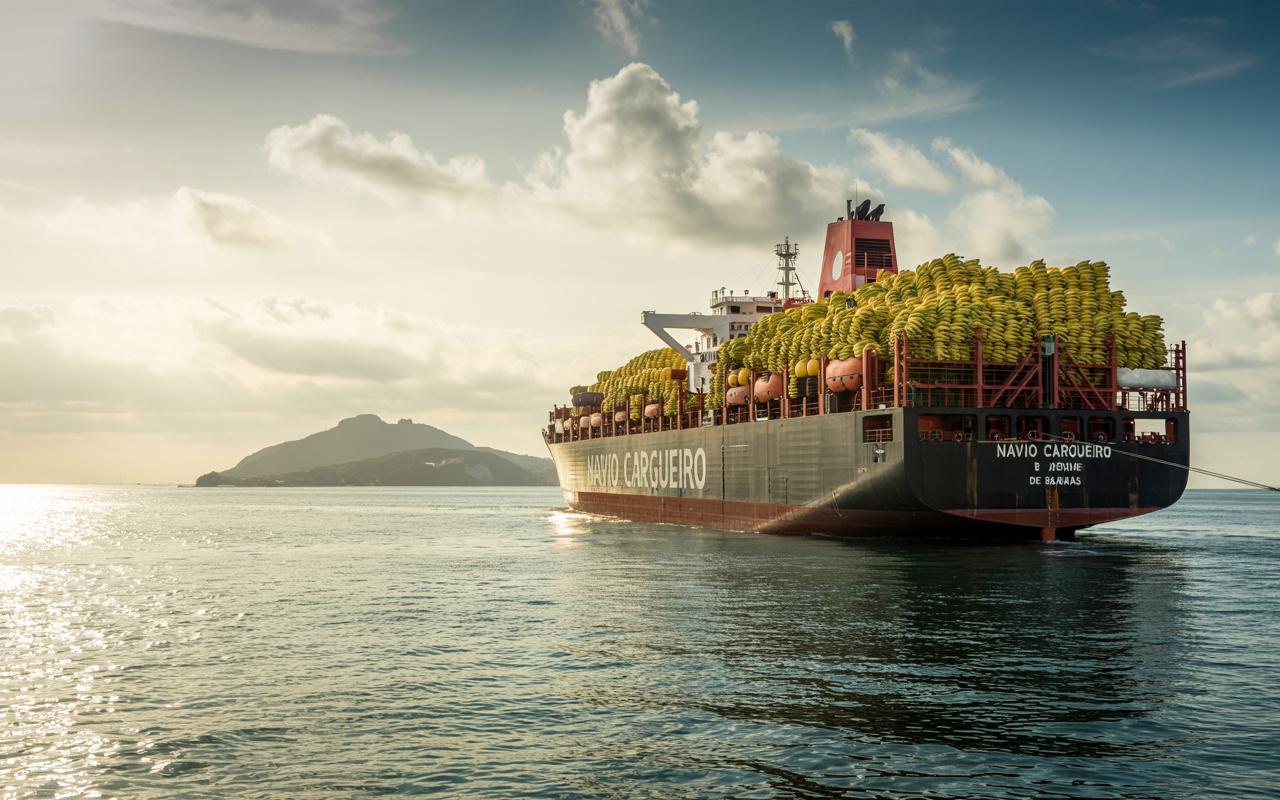


With More Than 6 Million Tons Per Year, Ecuador Is the World’s Largest Banana Exporter. Discover the Logistical Structure, the Markets Served and How the Country Became a Global Power in Tropical Fruits.
It is a small country, with about 18 million inhabitants, crossed by the equator and with a mountainous geography between the Andes Mountain Range and the Pacific. Still, it is responsible for over 25% of all bananas traded in the world. We are talking about Ecuador, a tropical powerhouse that transformed a simple fruit into one of the largest gears in international food trade. With more than 6 million tons exported per year, Ecuador not only leads the global ranking — it influences prices, regulates global supply, and moves entire ports with its highly organized agricultural production. What few know is that behind this popular fruit lies a precise logistics system, international sanitary control, digital tracking, and an army of rural workers, family businesses, and multinational giants. The world’s largest banana exporter!
The Banana as a Motor of the National Economy – Ecuador Is Considered the Largest Banana Exporter in the World
In Ecuador, the banana is not just an agricultural crop — it is an economic pillar. It is estimated that the sector moves more than US$ 3.5 billion per year, representing about 5% of the country’s GDP and directly sustaining more than 2.5 million people, including producers, rural workers, cooperatives, transport companies, and logistics professionals.
The success of this production chain is due to a set of factors:
-
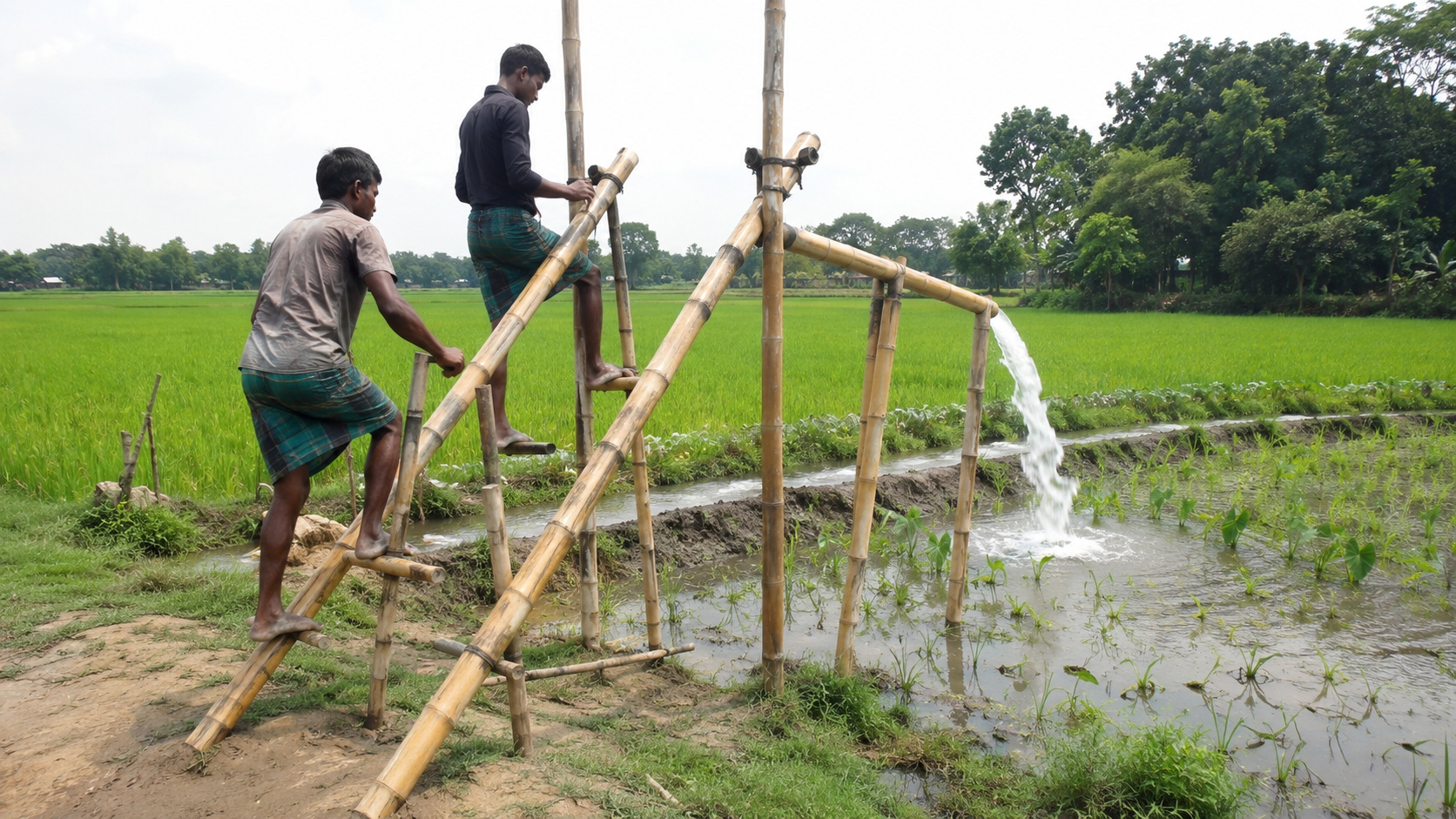
Bangladeshi Farmers Use Bamboo Levers to Pump Thousands of Liters of Water Daily Without Engines or Electricity

-
Brazilian Forests Could Expand by an Area Twice the Size of Switzerland by 2035, but Agricultural Sector Holds the Key, Study Finds

-
Brazilian Student Develops Solar-Powered Agricultural Machine Capable of Processing 250 Kilograms per Hour

-
Brazilian Farmer’s Viral Video on Onion Prices Opens New Income Opportunities Online


- Ideal Climate Conditions: constant heat, regular rainfall, and moderate altitude.
- Well-Developed Irrigation and Drainage Systems.
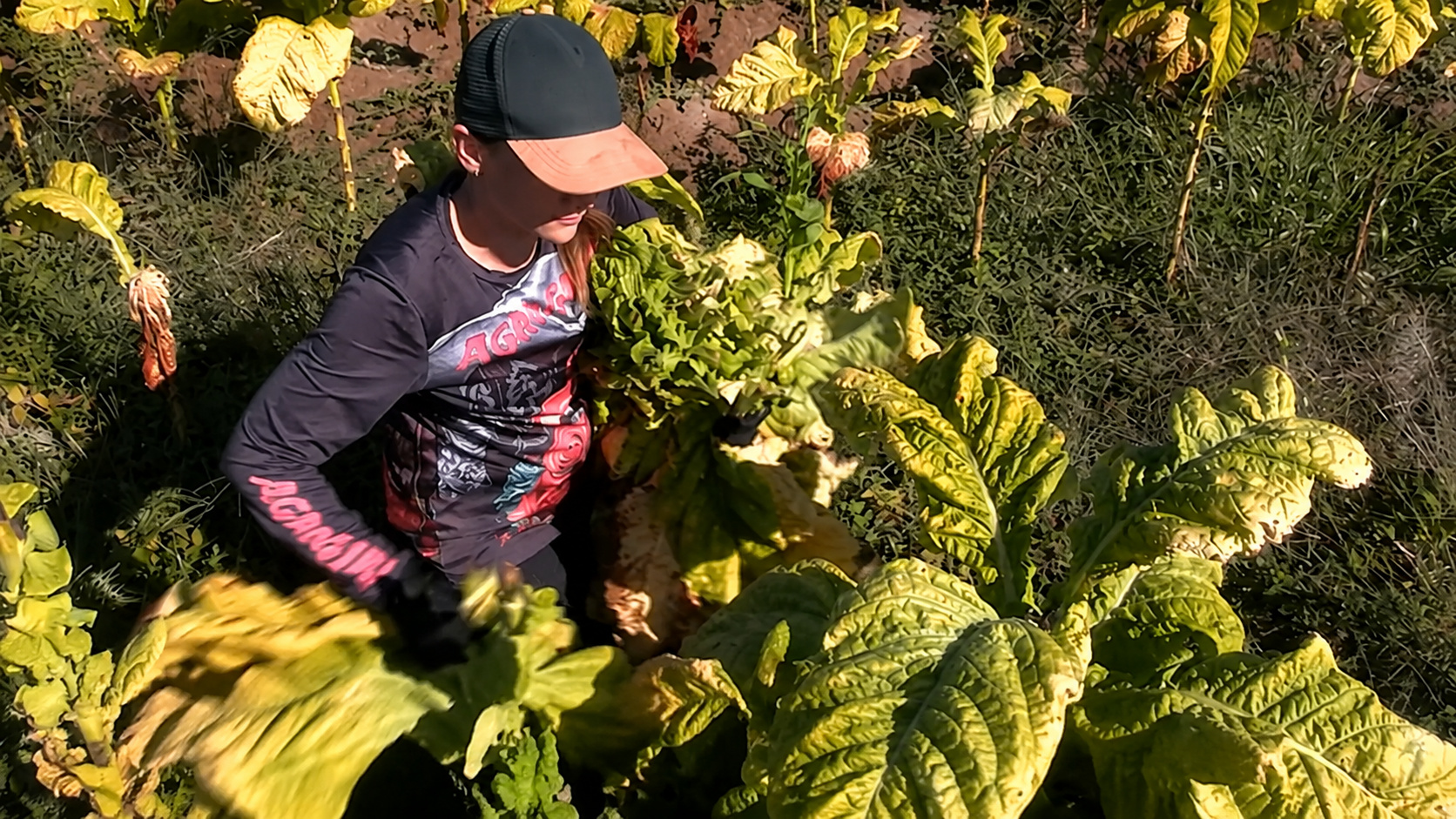
- Experienced and Abundant Labor Force.
- Privileged Geographic Location to Export to Both North America and Europe and Asia.
Additionally, Ecuador has specific policies to ensure the sector’s competitiveness, including logistical subsidies, tax incentives for exports, and trade agreements with strategic markets such as European Union, Russia, and China.
Mega Logistics Operations: Bananas Tracked from Farm to Port
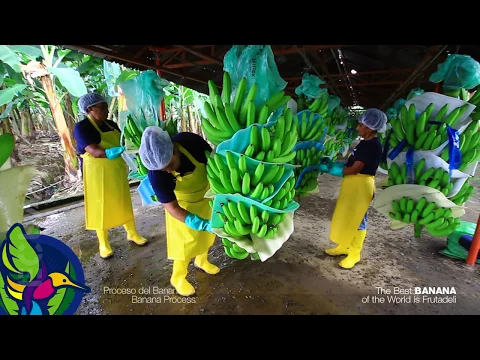
Behind every box of Ecuadorian bananas is a complex and timed system. The main production hubs are located in Guayas, El Oro, and Los Ríos, in the southwest of the country. From there, the fruits harvested daily are quickly taken to processing and packaging centers, where they undergo washing, sorting, standardization, and identification with QR codes and international tracking labels.
Next, they are transported by refrigerated trucks to the ports of Guayaquil and Puerto Bolívar, where the largest export operations are concentrated. These ports have been modernized specifically for the tropical fruit trade, with refrigerated terminals, phytosanitary scanners, and segregated areas for sensitive cargo.
Bananas are loaded into refrigerated containers with controlled temperature and humidity, ensuring preservation for weeks until the final destination. The entire journey can be digitally tracked — from the banana plant to the supermarket in Europe.
This system allows Ecuador to comply with strict sanitary requirements of markets such as Germany, the United Kingdom, Japan, and South Korea, and compete with major exporters like the Philippines, Colombia, and Costa Rica.
Multinationals and Local Producers: An Integrated Chain
The Ecuadorian dominance is also due to the balance between large agribusiness multinationals and thousands of small and medium local producers. Companies like Dole, Chiquita, and Noboa operate directly in the country, with their own infrastructure, chartered ships, and long-term contracts with international retail chains.
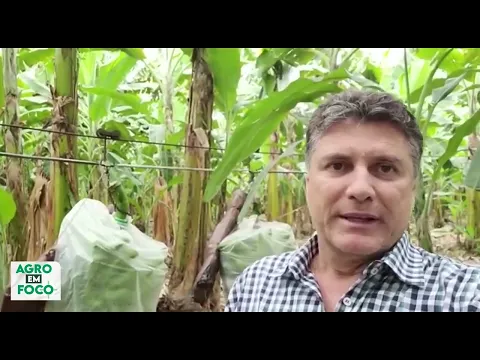

But the country also values independent production, with highly organized agricultural cooperatives that can meet specific niche demands — such as organic bananas, fair trade, or with environmental certifications.
Today, there are over 200,000 hectares planted with bananas in Ecuador, and approximately 6,500 active producers, ranging from large technified farms to family-owned properties.
This hybrid ecosystem ensures commercial resilience, diversity of supply, and greater market penetration — with the capacity to serve from large wholesale chains to gourmet markets and organic fairs in Europe.
Where Do the Bananas from Ecuador Go?
More than 70 countries buy Ecuadorian bananas every year, and the main destinations are:
- European Union (especially Germany, Belgium, Italy, and Spain)
- Russia, which relies heavily on tropical fruit coming from South America
- United States, where the banana is the most consumed fruit by volume
- China, a growing market with traceability and visual standard requirements
- Middle Eastern countries, with a strong presence of Ecuadorian bananas in luxury supermarkets
This degree of penetration is only possible thanks to the standardization of the chain, international phytosanitary agreements, and logistical competitiveness. Ecuador invests heavily in international certifications such as GlobalG.A.P., Rainforest Alliance, and Fair Trade, which ensure access to demanding markets.
Challenges and Opportunities: How to Maintain Leadership
Being the world’s largest exporter also involves facing permanent risks: climate change, pests like the Fusarium TR4 fungus, international price volatility, and trade tensions with major importers.
To maintain its position, Ecuador bets on technological innovation in the field, investment in port logistics, and the digitalization of the tracking chain. Local universities and research centers have been working on solutions in plant genetics, precision agriculture, and biotechnology to ensure productivity and resistance to pests.
Additionally, the country intends to diversify its portfolio of tropical fruits, also expanding the export of avocado, mango, cocoa, and pitaya, based on the know-how built by the banana industry.


Vocês deviam provar as bananas de Angola… É uma maravilha.
Há muita produção de **** em Angola, se tivéssemos governação que prestasse estaríamos a concorrer fortemente com este país na importação de frutos tropicais.
Verifica que a quem diga que o preço da **** em Angola é mais baixo que no mundo todo 1kg custa em média 499kz ou seja 0,47 euros ou mesmo 0,55 dólares.
Sim, é o maior exportador mundial, mas, as bananas mais doces do mundo são produzidas no Brasil, em Santa Catarina.
Adicione ao texto as informações comprovadas sobre apreensoes sucessivas de COCAÍNA nos embarques de **** do Equador! Estamos de olho Valdemar!