Portuguese
  Spanish


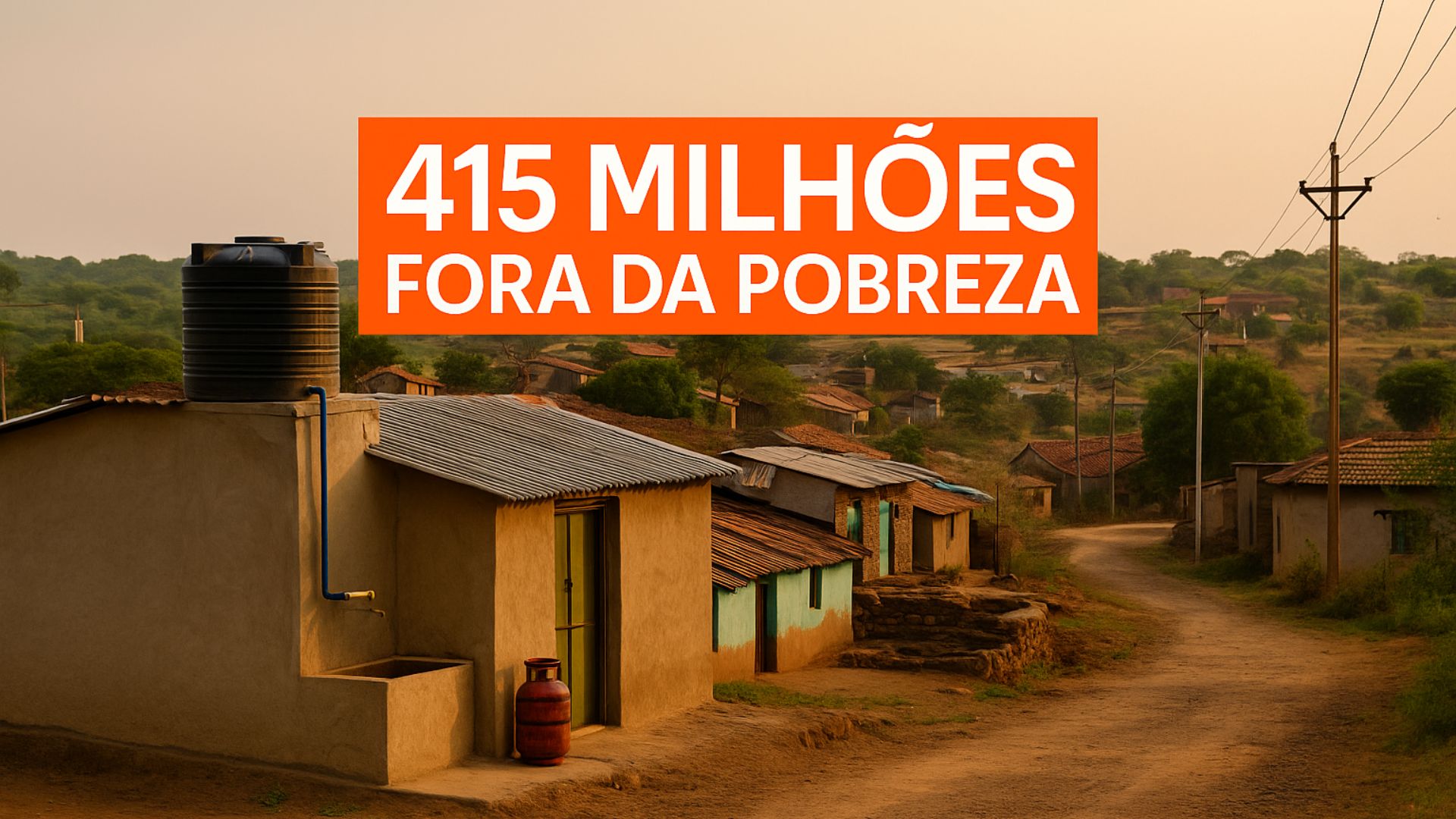

In one of the largest poverty reductions ever recorded, the country transformed the daily lives of millions with sanitation, energy, piped water, and cooking gas, becoming an international benchmark in public policies with measurable impact.
In rural communities and peripheral neighborhoods that previously faced shortages of electricity, water, and infrastructure, daily life underwent significant transformations over 15 years.
Families that used firewood for cooking began to use gas, villages gained lighting, and water collection ceased to be a daily task.
According to the United Nations Development Programme (UNDP), these changes are linked to one of the largest reductions of multidimensional poverty ever recorded.
-
Brazilian Entrepreneur Expands Automotive School to 48 Locations, Acquires Electric Car Company to Lead Technical Training in Latin America

-
Former Roma and Fiorentina Player Filipe Gomes Returns to Brazil to Found Empório do Galeto, Aiming for $10 Million Revenue by 2026
-
Many Unaware: Seniors Entitled to Monthly Income, Free Transport, Medication, and Property Tax Exemption in Brazil

-
Brazil’s BNDES Funded Metro and Steel Plant Projects in Venezuela with Brazilian Support


According to the Multidimensional Poverty Index (MPI), developed by the UNDP in partnership with the Oxford Poverty and Human Development Initiative (OPHI), 415 million people left multidimensional poverty between 2005/2006 and 2019/2021.
The advancement primarily occurred in rural areas and was associated with increased access to basic sanitation, electricity, water supply, cooking gas, and adequate housing, alongside policies for productive inclusion and infrastructure.
For multilateral organizations, this case became a benchmark for implementing large-scale public policies.
What the MPI Measures and Why the Result Is Relevant
The MPI assesses simultaneous deprivations in health, education, and living standards, going beyond income measurement.
The indicator considers, among other factors, access to bathrooms, years of schooling, nutritional status, electricity, treated water, and construction materials in homes.
Experts highlight that the index can capture advances more quickly when public policies address specific daily deprivations.
During the analyzed period, official data show a consistent decline in the indicator.
This movement coincided with the expansion of sanitation networks, housing programs, hygiene campaigns, and electrification of villages, as well as the expansion of household water supply.
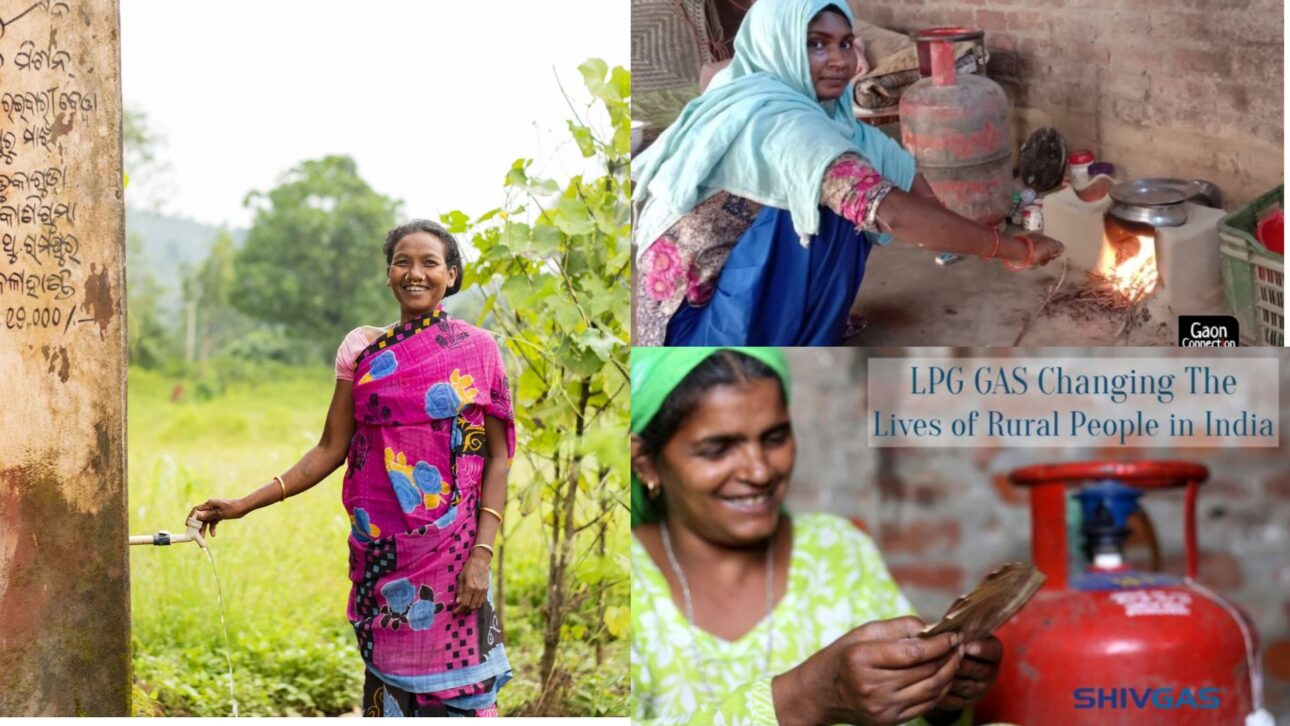
The spread of LPG (liquefied petroleum gas) also had an impact by replacing polluting fuels and reducing respiratory diseases, according to assessments from the UNDP and the World Bank.
Sanitation and Hygiene: Impact Measured in Health and School
The sanitation policy was based on the construction of household and community toilets, educational campaigns, and connecting homes to sewage networks.
Public reports indicate that by reducing open defecation, there was a decrease in infectious diseases and improvements in child health indicators.
Research also shows an increase in school attendance among girls, due to access to proper sanitation facilities.
In the housing sector, housing programs sought to replace precarious structures with houses that had better quality floors, walls, and roofs.
According to official data, this transformation positively influenced the MPI components related to living standards.
Clean Energy and Cooking: Changes in Access
The universalization of electricity and the expansion of cooking gas usage transformed daily life in rural communities.
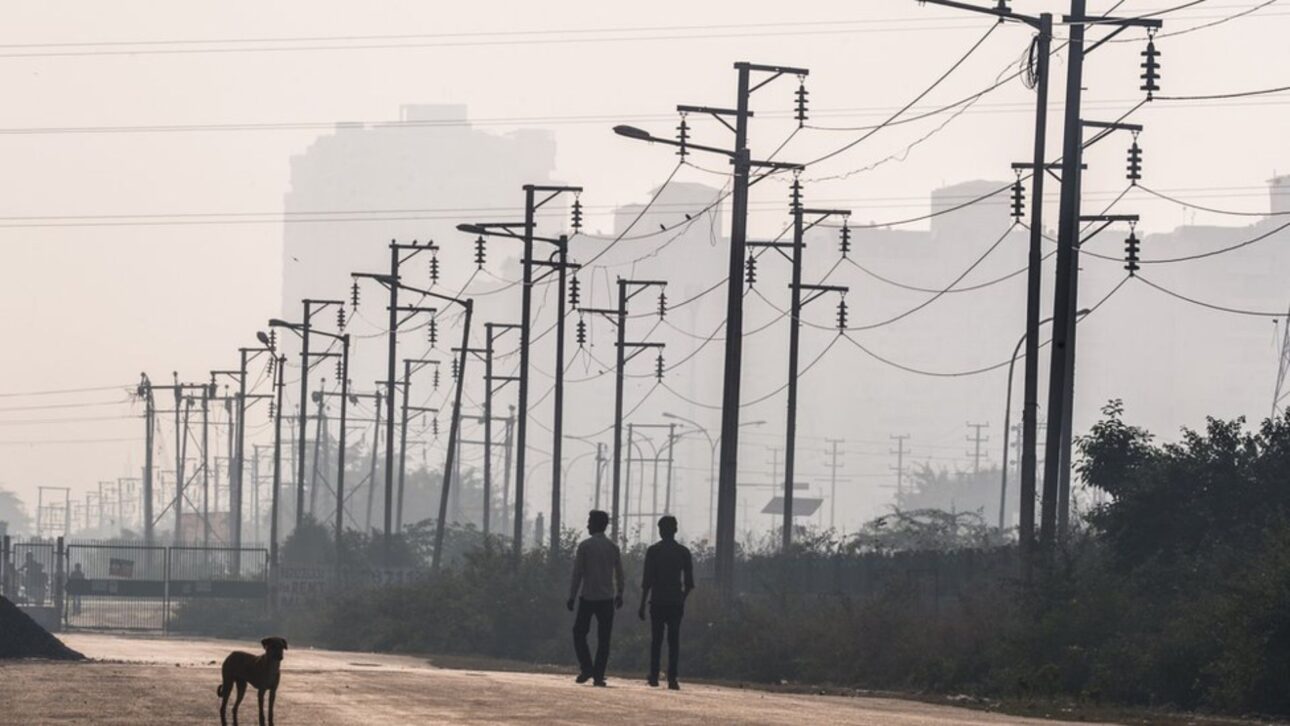
Electrification programs enabled access to lighting, refrigeration, and means of communication.
The increased use of LPG reduced dependence on firewood and charcoal, which are associated with health problems and low productivity.
The UNDP emphasizes that the presence of electricity and clean fuels is considered a reduction of deprivation within the MPI.
Closer Water: Time-Saving and Sanitary Improvement
The increased access to drinking water and sources close to homes also contributed to the results.
In rural areas, where collection consumed hours daily, the installation of household systems reduced the time spent on this task and sanitary risks, according to policy analysis.
Studies indicate that closer water increased the availability of time for study and work, especially among women.
Health and Nutrition: Advances Registered Among Children
Policies on health and nutrition complemented the set of actions.
Official data indicate that the expansion of health facilities, the distribution of supplements, and the fortification of staple foods helped reduce deprivations in child nutrition indicators.
According to the UNDP, cash transfer programs and targeted subsidies acted as buffers against economic and climate shocks, contributing to family consumption stability.
Education: Retention and Incentives
The increase in school enrollment, especially among girls, was another notable element.
The improvement of school infrastructure, the provision of meals and transportation, and financial incentives helped reduce dropouts.
As the MPI considers years of study and attendance, these advances directly impacted the reduction of multidimensional poverty, according to OPHI reports.
Infrastructure and Financial Inclusion: Economic Integration
In addition to social policies, the country invested in rural roads and digital connectivity, which facilitated farmers’ access to markets and financial services.
The expansion of bank accounts and the use of digital payments increased the efficiency of government transfers and reduced operational costs.
According to the World Bank, this financial integration helped strengthen income predictability and plan family spending on health and education.
International Evaluation and Comparisons with Brazil
Organizations such as the UNDP and the World Bank highlight that large-scale policies aimed at basic services can yield significant results when well coordinated.
The majority of people who left multidimensional poverty lived in rural areas and families with children, reinforcing, according to these bodies, the importance of investments in sanitation, nutrition, and education.
In Brazil, experts view the experience as a possible reference for policies that combine clear goals, stable financing, and public monitoring.
Differences Between Poverty Metrics
Poverty by income assesses daily per capita consumption and is widely used in international comparisons but may not reflect actual access to essential services.
On the other hand, multidimensional poverty measures simultaneous deprivations and shows faster advances when public policies address specific deprivations.
In the analyzed case, both metrics indicated improvement, albeit at different rates, according to recent studies.
Challenges Still Present
Despite the advancements, national reports show pockets of deprivation in historically poorer states and challenges in urban areas marked by informal settlements.
There are also reports of problems related to the quality and regularity of water and energy services, especially in remote regions.
Experts point out that overcoming these deficiencies requires “second-generation” policies focused on maintenance and quality improvement of services.
A Model Observed by Other Countries
According to the UNDP, the experience has become a global benchmark for articulating verifiable goals, public indicators, and constant monitoring.
The timeframe from 2005/2006 to 2019/2021 allows for the identification of the impact of policies launched during this period, showing that improvements in sanitation, clean domestic energy, piped water, and basic infrastructure can measurably reduce deprivations.
Among the lessons highlighted by researchers are the importance of coordination between levels of government, continuous financing, and the focus on the so-called “last mile,” where the most vulnerable populations live.
In the Brazilian case, experts believe that policies with this degree of integration could accelerate the reduction of deprivations in regions with a historical lack of infrastructure.