






 Portuguese
  Spanish


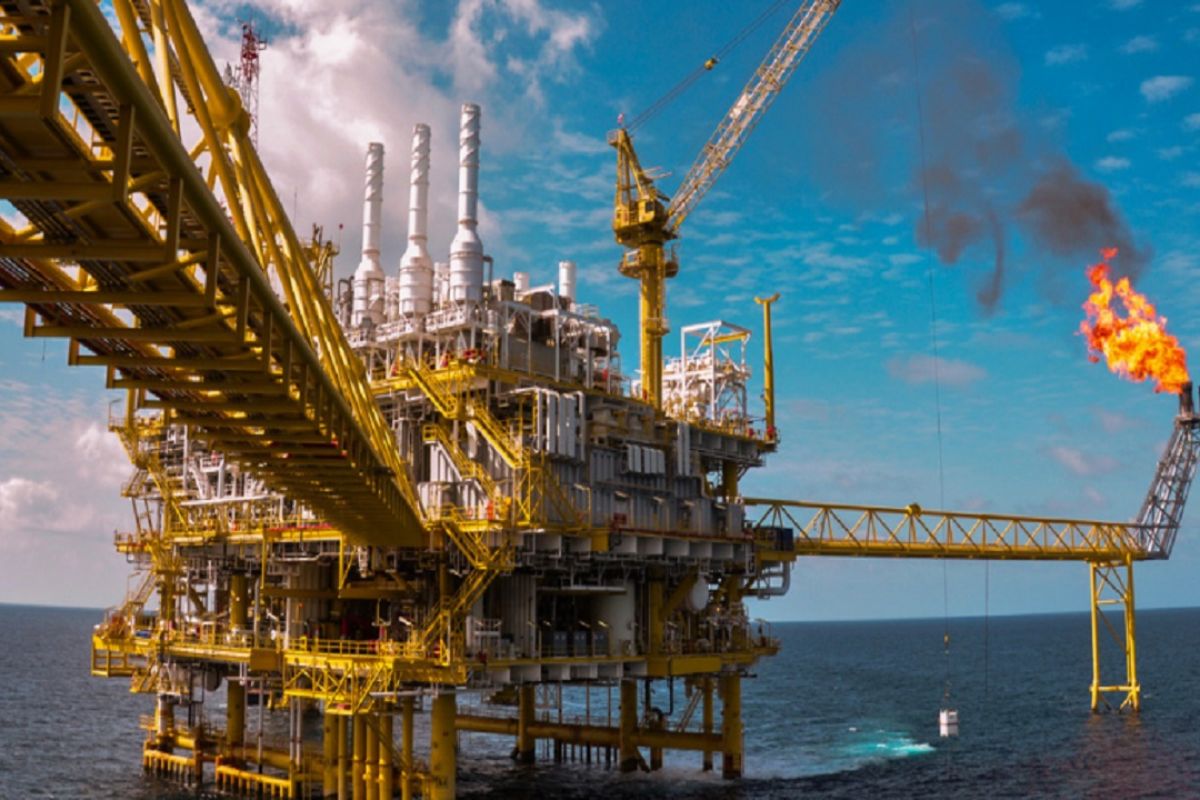


A Series of Discoveries of Africa’s Pre-Salt Since 2022, Made by Shell and TotalEnergies, Created a New El Dorado for the Global Industry
From a ‘graveyard’ of dry wells to an oil paradise. In the blink of an eye, Namibia’s coast became the hottest place on the planet for the industry. A series of world-class discoveries, starting in 2022, revealed a potential that is already being referred to as Africa’s Pre-Salt. The estimated volume of 11 billion barrels in the Orange Basin attracted the largest companies in the world, including Petrobras, which has already joined the race.
Led by European giants Shell and TotalEnergies, and later confirmed by Portuguese Galp, the discoveries are so significant that they rival those of Guyana and Brazil’s own pre-salt. The race is no longer to find oil, but to see who can extract it first and in an economically viable manner.
The Turning Point of 2022, the Discoveries by Shell and TotalEnergies that Changed the Game
For over 50 years, the search for oil in Namibia was a story of failures. Everything changed in February 2022. On the 4th, Shell announced the discovery of light oil at the Graff-1X well. Twenty days later, on February 24, it was TotalEnergies that announced a “significant discovery” at the Venus-1X well, described as the largest in Sub-Saharan Africa.
-
Brazilian Entrepreneur Turns Door-to-Door Jewelry Sales into a Family Business Empire with Over 70 Stores

-
$75 Million Bridge in Brazil Opens to Connect Cities, Create Jobs, and Cut Travel Time from 30 to 2 Minutes; Spanning 1.24 km, It’s Among the Country’s Largest and Ends Decades of Ferry Queues.

-
Brazilian Farmer Builds 8-Ton Tractor from Army Truck Engine, Plants Over 100 Hectares of Soybeans
-
11-Year-Old Entrepreneur Turns Fear of Bees into Honey Lemonade, Wins $60,000 on Shark Tank, Secures Whole Foods Deal, and Expands Brand Across U.S. Stores




These two announcements, made in less than a month by two of the largest companies in the sector, confirmed that there was a giant and functional petroleum system beneath the waters of Namibia. The news electrified the global industry and sparked a true gold rush in the region.
Mopane, the Galp Giant that Confirmed the Global Scale of the Basin
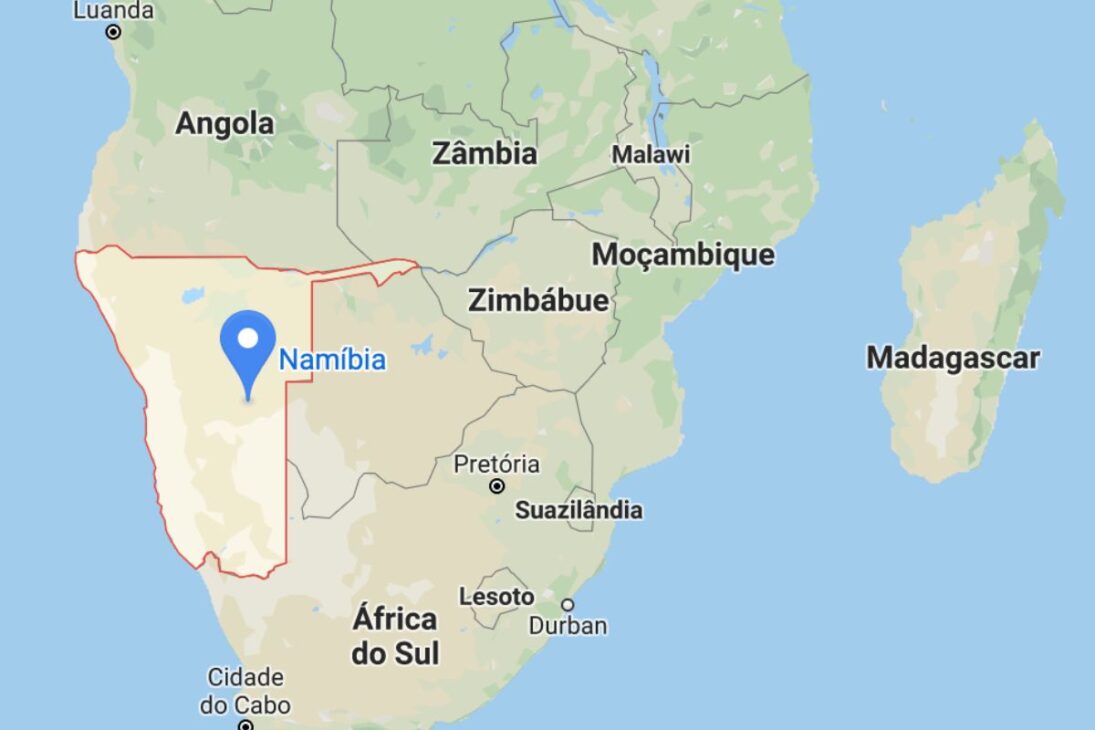
If the discoveries of 2022 opened the door, it was the Portuguese company Galp that swung it wide open. Throughout 2024, Galp successfully drilled the Mopane well, which is estimated to have resources of at least 10 billion barrels of oil equivalent.
This discovery alone has the potential to triple Namibia’s economy, putting the Orange Basin on a new level. The total volume of resources already discovered in Namibia approaches 20 billion barrels, a number that directly competes with the reserves that turned Guyana into a new oil power.
Why Did Petrobras Join the Race for Africa’s New Pre-Salt?
The success in Namibia sounded like a ‘déjà vu’ for Petrobras geologists. With its unparalleled experience in Brazil’s pre-salt, the state-owned company saw in the African coast a geological mirror and acted quickly. By the end of 2024, the Brazilian state company announced the acquisition of a stake in exploration blocks in the region, right next to the major discoveries.
Petrobras’ strategy is based on the theory of the “conjugate margin”. This theory states that the coast of Namibia and Brazil were once connected in the supercontinent Gondwana. Therefore, the geology that gave rise to the Brazilian pre-salt has a good chance of repeating itself on the other side of the Atlantic, in the so-called “Pre-Salt” of Africa.
Similar Geology, but Not the Same, What Differentiates Namibia from Brazil
Despite the analogy with the pre-salt, there are crucial technical differences. The rock that generated the oil in both regions is very similar, formed during the same geological period. However, the type of rock where the oil was stored (the reservoir) is different.
In Brazil, the famous pre-salt reservoirs are made of carbonates (limestone). In Namibia, the discoveries so far have been in sandstones, formed by a process called turbidites. This difference, although technical, completely changes the drilling and production strategy, requiring distinct technologies and approaches.
Billions in Oil, but What About Profit? The Risk Now is Commercial

With a drilling success rate of over 80%, finding oil in Namibia is no longer the main challenge. The big question now is commercial: is it possible to extract this oil profitably? A proof of this came in January 2025 when Shell announced a $400 million write-down on its discoveries, calling them “commercially unviable” at the moment.
The main obstacles are the extreme conditions. The oil is in ultradeep waters, more than 3,000 meters deep, and the reservoirs are over 6,000 meters below the seabed. Additionally, the rocks have low permeability in some places, and the oil has a high gas content, making extraction more complex and costly. For Namibia, the key to turning the potential of Africa’s ‘Pre-Salt’ into reality lies not only in mastering deep-sea engineering, but also in avoiding on land the ‘oil curse’ that has afflicted other nations.


