Portuguese
  Spanish


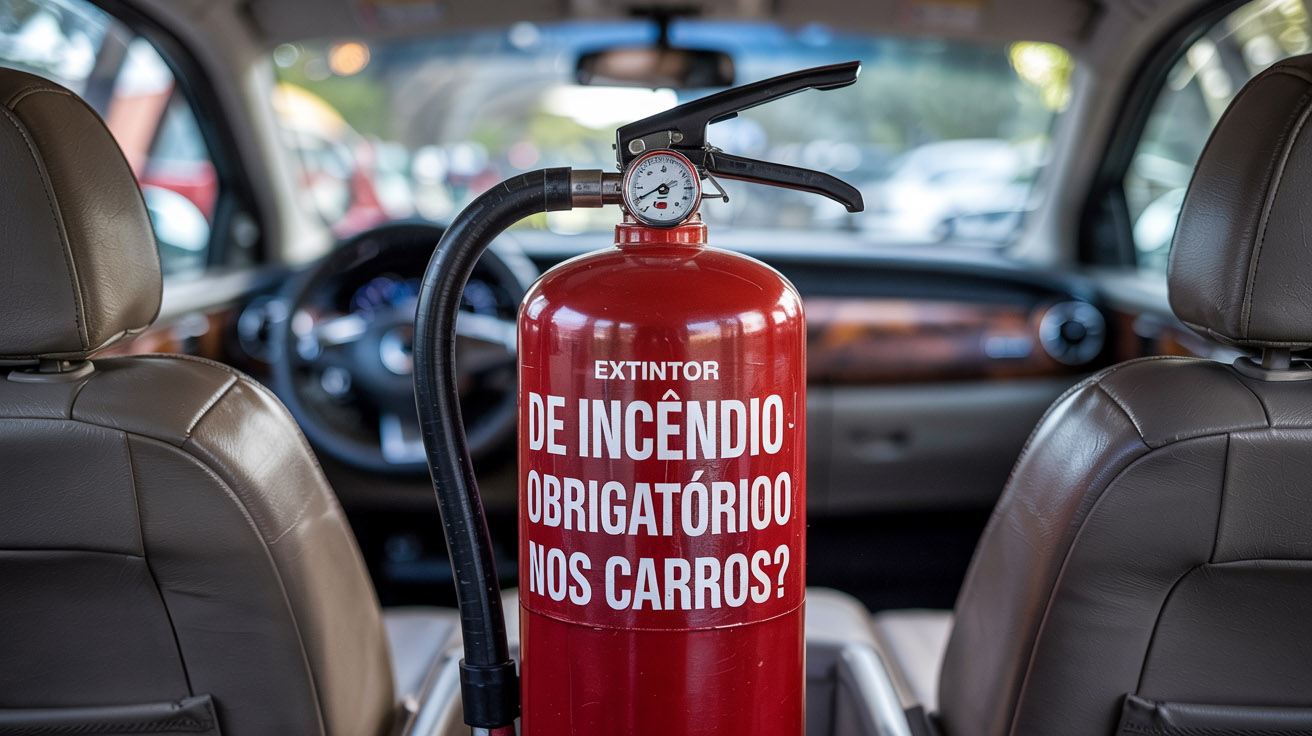

For Years, The Fire Extinguisher Was Mandatory In All Vehicles. Understand Why It Left To Be Required, What The Current Law Says And The Myths That Still Circulate Among Drivers.
For Decades, The Fire Extinguisher Was A Mandatory Item In All Cars In Brazil.
However, Since 2015, The Rule Has Changed — And Even Today Many Drivers Still Have Questions About When The Equipment Is Required.
The Mandatory Use Of Fire Extinguishers In Automobiles Is A Topic That Has Generated Controversy, Confusion, And Even Fines.
-
15-Year-Old Entrepreneur Malu Lira Publishes 20 Children’s Books on Financial Education, Earns $500,000, and Expands Her Project to the Amazon Rainforest

-
2027 Toyota Corolla Cross Unveiled: New Design, Enhanced Fuel Efficiency, Reduced Maintenance Costs, Advanced Technology, Connected Services, and Up to 10-Year Warranty

-
Entrepreneur Turns Rio Cemetery Canteen into a Successful Snack Chain Generating $4.9 Million Annually and Expanding to Metro Stations

-
Rare fox feared “extinct” found alive on Caribbean island after over two decades without official sightings



For A Long Time, The Equipment Was Indispensable In All Passenger Cars.
However, A Change In The Brazilian Traffic Code (CTB), Promoted In 2015, Removed This Requirement For Most Vehicles, Leaving Part Of The Population Unsure About How The Rule Works Today.
Is The Fire Extinguisher Still Mandatory In Brazil?
Currently, The Fire Extinguisher Is No Longer Mandatory For Passenger Cars, Utility Vehicles, And Light Trucks Manufactured From 2005 Onwards.
This Flexibility Was Determined By The Resolution No. 556 Of The National Traffic Council (Contran), Published In September 2015, And Is Still In Effect Today.
The Previous Regulation, From 2009 (Resolution 157), Required All Vehicles To Operate With A Class BC Fire Extinguisher.
With The New Resolution, The Equipment Became Mandatory Only In Specific Cases, Such As:
- Public Passenger Transport Vehicles (Such As Buses And Vans);
- School Transport Vehicles;
- Trucks;
- Vehicles Transporting Flammable Cargo;
- Commercial Use Vehicles Manufactured Before 2005.
In Other Words, For The Vast Majority Of Private Passenger Cars, The Fire Extinguisher Became An Optional Item — Not Mandatory.

Why Did Contran Decide To Suspend The Requirement?
According To The National Traffic Council Itself, The Decision Was Based On Technical Studies That Showed The Low Effectiveness Of The Equipment In Vehicle Fire Cases, As Well As Its Poor Use In Various Situations.
The Extinguisher Installed In Vehicles — Usually 1 Kg — Rarely Is Effective In Containing Fires Started In The Engine Or Electrical System, Which Are The Most Common Types.
Additionally, The Item Required Constant Maintenance, Validity Checks, Sealing, And Pressure Gauge, Generating A Cost That Was Not Always Justified.
Another Consideration Was The Modernization Of Automobiles.
With Technological Advances And More Fire-Resistant Materials, Fires In Cars Have Become Less Frequent — And More Difficult To Control With A Common Portable Extinguisher.
And For Those Who Still Want To Use The Extinguisher?
Nothing Prevents The Driver From Continuing To Use The Equipment Voluntarily.
Contran Clarified That The Extinguisher Is Still Recommended, Especially For Drivers Traveling Through Remote Regions Or Areas At Risk.
The Use Of The Extinguisher Has Thus Transitioned From Mandatory To Optional, But Its Installation Is Still Regulated, And If The Driver Chooses To Keep It In The Vehicle, They Must Follow The Technical Requirements: Type BC, Validity Updated, Intact Seal, And Pressure Gauge In The Green Zone.
It Is Worth Remembering That In The Event Of A Fire Accident, The Absence Of The Extinguisher In Private Vehicles Does Not Constitute A Violation, Provided The Car Fits The Exemption Outlined By The Resolution.
And Are There Still Fines?
Yes, The Fine For Not Having A Fire Extinguisher Still Exists, But It Only Applies To Vehicles Where The Equipment Is Mandatory.
In These Cases, Noncompliance Constitutes A Serious Violation, With A Penalty Of R$ 195.23 And Five Points On The Driver’s License (CNH).
The Car May Also Be Seized Until Regularization.
Therefore, Those Driving Buses, School Vans, Trucks, Or Older Commercial Vehicles Still Need To Be Aware Of The Presence And Validity Of The Extinguisher.
Is There Any Movement To Reinstate The Requirement?
Since The Change In 2015, Several Bills Have Been Introduced In The National Congress Aiming To Make The Fire Extinguisher Mandatory Again In All Cars, Mainly Due To Pressure From Firefighter Associations And Equipment Manufacturers.
An Example Was The PL 3404/2015, Which Was Discussed In The Chamber Of Deputies But Did Not Advance.
Proponents Of The Requirement Argue That The Extinguisher Can Save Lives And Prevent The Spread Of Fires — Especially In The Initial Seconds.
However, So Far, There Are No Plans To Reverse The Current Regulation.
The Use Remains Optional For Most Vehicles.


What Do Experts Say?
According To Automotive Engineer Marcos Lacava, A Professor At The Mauá Institute Of Technology, The Extinguisher Can Give The Driver A False Sense Of Security.
“In 90% Of Cases, The Driver Does Not Know How To Use The Extinguisher Properly Or Does Not Have Time To Act. It Is Much More Efficient To Safely Exit The Vehicle And Call The Fire Department.”
Vehicle Safety Consultant Jorge Medrano Argues That, In Certain Situations, The Extinguisher Can Indeed Prevent Greater Losses, Especially In Cases Of Incipient Fires Inside The Car, Such As In Upholstery Or The Dashboard.
“The Problem Is That Brazilians Do Not Have Training. We Should Have Educational Campaigns, Not Just Require The Equipment.”