






 Portuguese
  Spanish


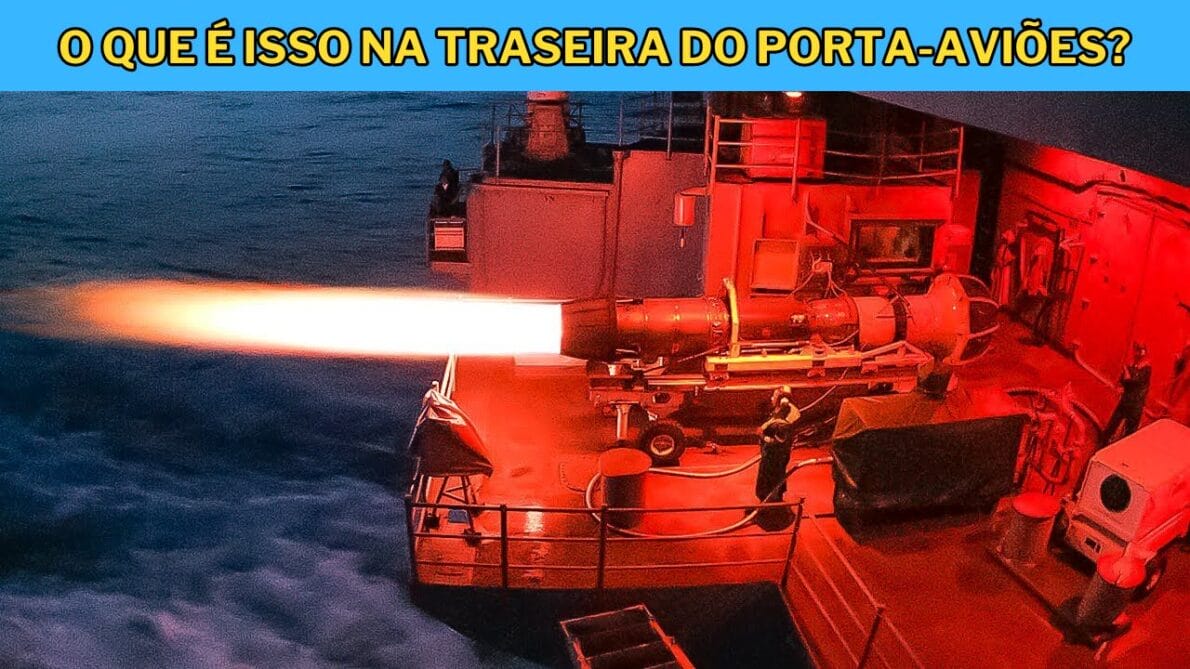

Life on an aircraft carrier is full of activities and curious places. Have you ever wondered what is below the bridge and at the back of an aircraft carrier? Let us explore what exists in these lesser-known areas.
Under the flight deck of aircraft carriers are almost all the control rooms. As the island superstructure was designed to be as small as possible, the only work areas in the superstructure are the command bridge, the chart room, the radar and surveillance systems, and the cockpit control room.
At the back of the aircraft carrier, there is an area that was formerly called the “Spud Locker,” where potatoes were stored. Pilots used to joke that if they flew too low while landing on the carrier, they might end up colliding with the pantry. On some ships, this room has been transformed into the jet engine workshop, where these engines are overhauled and tested.
Right below the flight deck are the hangars, which take up more than two-thirds of the total length of the aircraft carrier.
This space is the “garage” of the aircraft carrier, where the planes are stored when not in use. The hangar is divided into four zones separated by sliding doors, which help contain fires in the event of any incidents.
-
France Revamps 530 Social Housing Units with Large Balconies and Glass Facades Without Demolishing Existing Buildings

-
10-Year-Old Max Makes History with Paris Fashion Show, Launches Own Brand, Hires Staff, and Sets World Record as Youngest Runway Designer

-
Bolivian Female Construction Workers Form Association to Combat Discrimination and 38% Pay Gap in the Industry
-
Near Amsterdam, residents buy land and discover they must also build streets, manage drainage, handle waste, and grow food on half their plot.




Around the hangar, there are four large and powerful elevators, capable of transporting up to two fighters at a time, from the hangar to the flight deck. These elevators are essential for the quick and efficient operation of the aircraft.
At the back of the hangar, there are aircraft maintenance shops, known as AIMD (Aircraft Intermediate Maintenance Division).
In these shops, constant repairs and tests of aircraft equipment are carried out. Jet engines are overhauled and tested in an open space at the back of the aircraft carrier, where it is safe to perform propulsion tests.
The need to check the condition of engines and aircraft is constant. Any negligence can result in loss of life. Engines are maintained and tested regularly, whether due to usage time or damage caused by foreign objects, such as particles that may be sucked in during operation.
Below the flight deck of aircraft carriers, especially at the back, exists a complex and vital world for the efficient and safe operation of the ship. From hangars and jet engine workshops to testing areas, every space plays a crucial role in ensuring everything operates smoothly.


