






 Portuguese
  Spanish
  2 min of reading
  0 comments


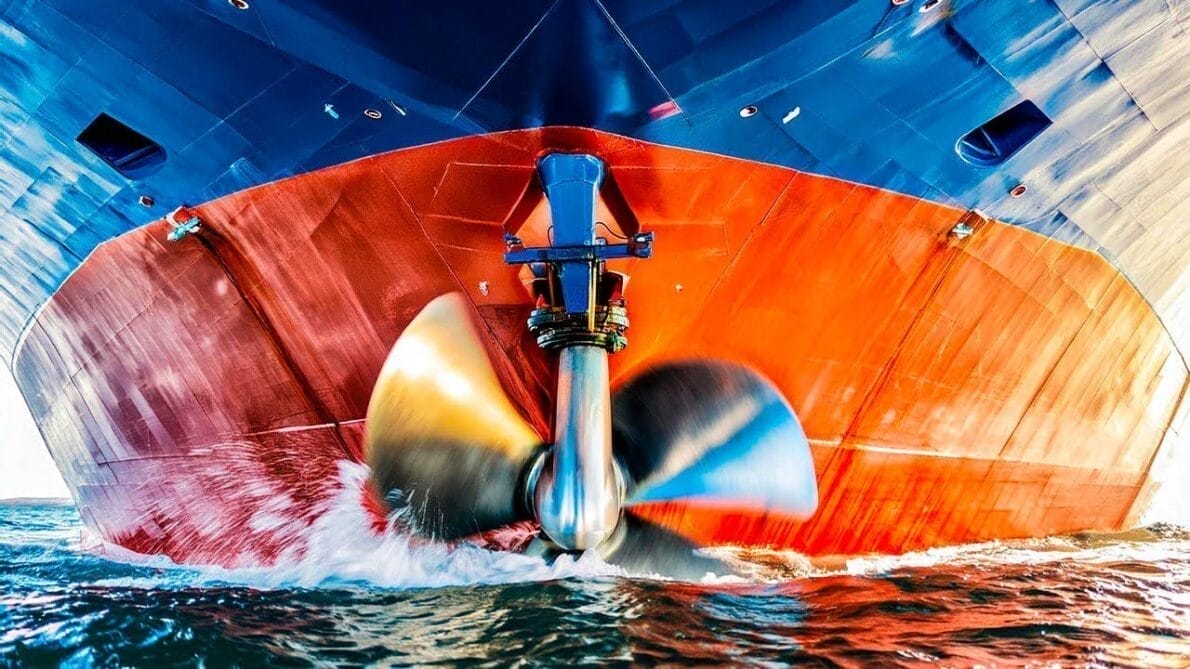
Container ships were introduced for the first time in 1956 with the inaugural voyage of the Ideal X, transforming the shipping industry. These ships are made of steel and vary in size. The smaller ones, called feeder ships, carry cargo between smaller ports, while the larger ones can carry more than 20,000 containers.
Building giant container ships takes months and involves multiple stages. The superstructure includes cabins, engine room, and the command bridge. Powerful engines, such as the low-speed diesel engine of the MSC Tessa, are installed to move these enormous vessels. These engines are efficient and durable, ideal for long distances.
The assembly of the engine begins with building the propulsion block. Pistons are installed and connected to the crankshaft, which is crucial for generating power. Fuel, lubrication, turbocharging, and air supply systems ensure the smooth operation of the engine. After assembly, the engine is rigorously tested to meet safety and performance standards before being installed in the container ships.
With the Growing Concern About Climate Change, the Shipping Industry Is Adopting More Sustainable Practices

The use of liquefied natural gas (LNG) as fuel in container ships is one of these solutions. LNG emits less greenhouse gases and generates less noise pollution, making it more suitable for environmentally sensitive areas.
-
Without a mansion, without high investment, and without a traditional classroom, a teacher living in a 22 m² house taught students to build a 9 m² studio apartment with the equivalent of R$10,000.

-
Without her own home and pressured by rent, a 25-year-old bought a small 15-meter boat, gradually renovated the interior by herself, transformed the interior with paint, new flooring, a larger bathroom, and started living on the canals, paying much less per month.
-
Long before sustainable construction became a trend, China built earthen fortresses with multiple floors, a central courtyard, and the capacity to house up to 800 people living in a community.
-
He got tired of renting, bought an old school bus, removed the seats, modified the roof, reinforced everything with steel, and created a two-story mobile home that looks small on the outside but houses two bedrooms inside.




CMA CGM, one of the largest container shipping companies, is leading the change to LNG-powered ships. In 2017, the company launched the CMA CGM Jacques Saadé, the first ultra-large container ship powered by LNG, capable of carrying more than 23,000 containers.
Keeping Container Ships Operating Efficiently Is Crucial
Regular maintenance includes replacing worn parts and upgrading equipment. For example, propellers can be replaced without having to take the ship to dry dock, using special equipment to remove and install new units while the ship is in the water.
Container ships are fundamental to global transportation, and the engineering behind them is impressive. With technological advancements and more sustainable practices, these giants of the sea are becoming more efficient and eco-friendly, ensuring they can continue to play their crucial role in global trade.








Be the first to react!