Portuguese
  Spanish


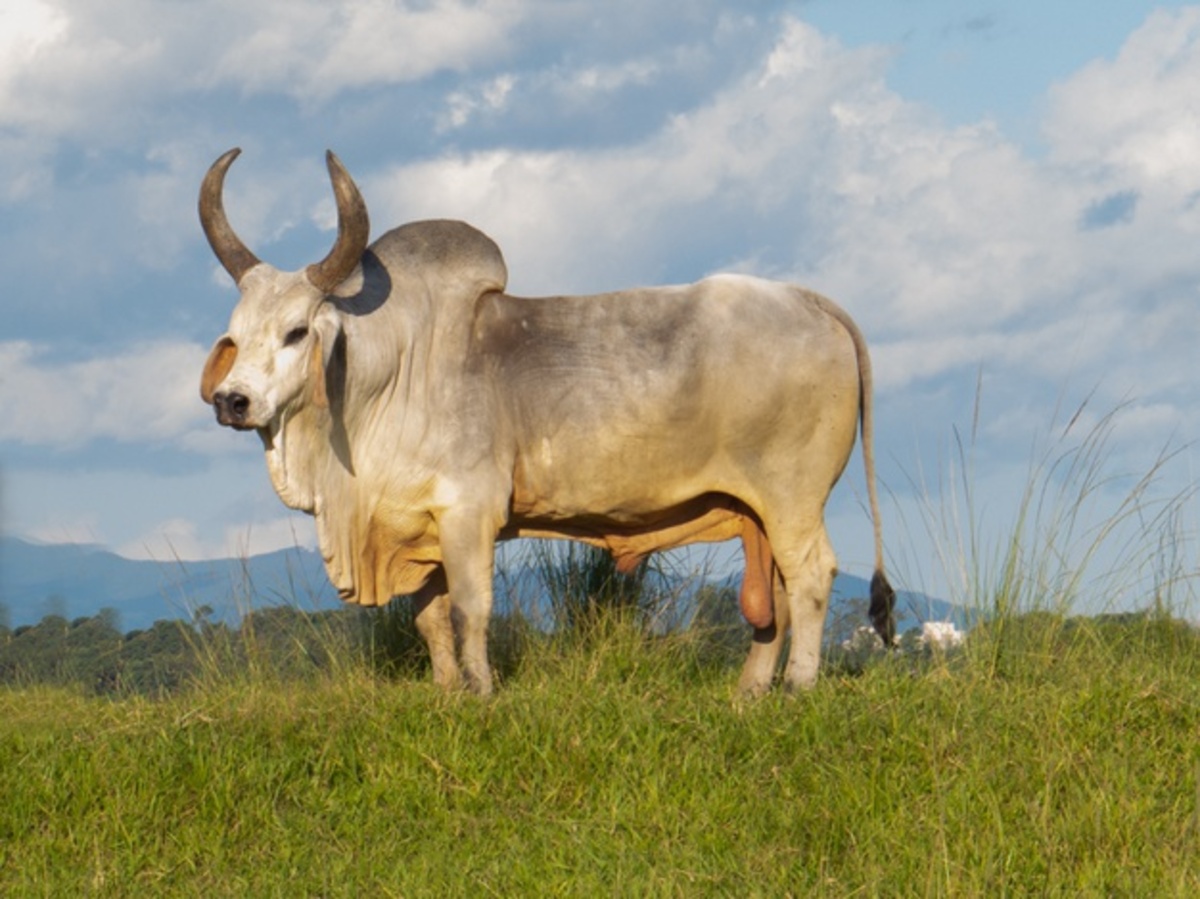


In The World Of Agribusiness And Even In Daily Life, It Is Common To Confuse The Terms Bull And Ox. Understand More About It.
Although both refer to animals of the same bovine species, there is a crucial difference between an ox and a bull that goes far beyond appearance.
Understanding this distinction is fundamental not only for those who deal directly with cattle but also for anyone interested in deepening their knowledge of the animal kingdom.
Get ready to uncover once and for all what actually differentiates a bull from an ox.
-
How to Prevent Brown Recluse Spider Bites: Common Hiding Spots and Free Tips to Reduce Risks

-
Natto: The Unusual Japanese Superfood Gaining Popularity on Social Media and Driving Record Exports
-
Brazilian Mayor Goes Undercover as Homeless for 24 Hours to Assess Public Services

-
15-Year-Old Entrepreneur Malu Lira Publishes 20 Children’s Books on Financial Education, Earns $500,000, and Expands Her Project to the Amazon Rainforest




The Surgery That Transforms: The Essence Of The Difference
The main and most significant difference between an ox and a bull lies in reproductive capacity.
The bull is the adult male bovine that maintains its sexual integrity, meaning it has not been castrated.
For this reason, the bull has functional testicles and is capable of reproduction, being the primary responsible for the perpetuation of the species in the herd.
Physically, the bull typically exhibits more developed musculature, especially in the neck and shoulder region, and a more aggressive temperament, characteristics linked to its hormones and reproductive function.
The ox, on the other hand, is the male bovine that has been subjected to castration. This procedure, usually performed when the animal is still young, removes the testicles, suppressing the production of male hormones.
Castration has various purposes in livestock farming: it makes the animal more docile, facilitates handling, and, crucially, directs the animal’s energy toward weight gain and meat quality, rather than reproduction.
Therefore, the ox is the animal primarily raised for slaughter and meat production, being more docile and growing more uniformly.
Beyond Reproduction: Applications And Specific Characteristics
The distinctions between ox and bull extend to their roles within the human context.
The bull, with its strength and instinct, is often used for reproduction in high-genetic dairy and beef herds, where offspring quality is essential. Its virility also makes it a prominent figure in cultural events such as rodeos and bullfights (although the latter are controversial and banned in many places).
The ox, in turn, is the backbone of beef cattle farming. Its docility after castration allows for safer and more efficient handling in large herds.
In addition to meat production, the ox has historically been and still is employed in agricultural work, such as pulling plows and carts, due to its strength and calm temperament.
Its carcass also provides leather and other byproducts of great economic value.
Understanding the difference between an ox and a bull is more than just curiosity; it is practical knowledge that clarifies important aspects of livestock farming, animal biology, and even everyday language.
Therefore, the next time you come across these terms, you will know exactly which animal each refers to and the reason for this distinction.
Did you already know the true difference between an ox and a bull? Share your opinion in the comments!