






 Portuguese
  Spanish
  2 min of reading
  0 comments


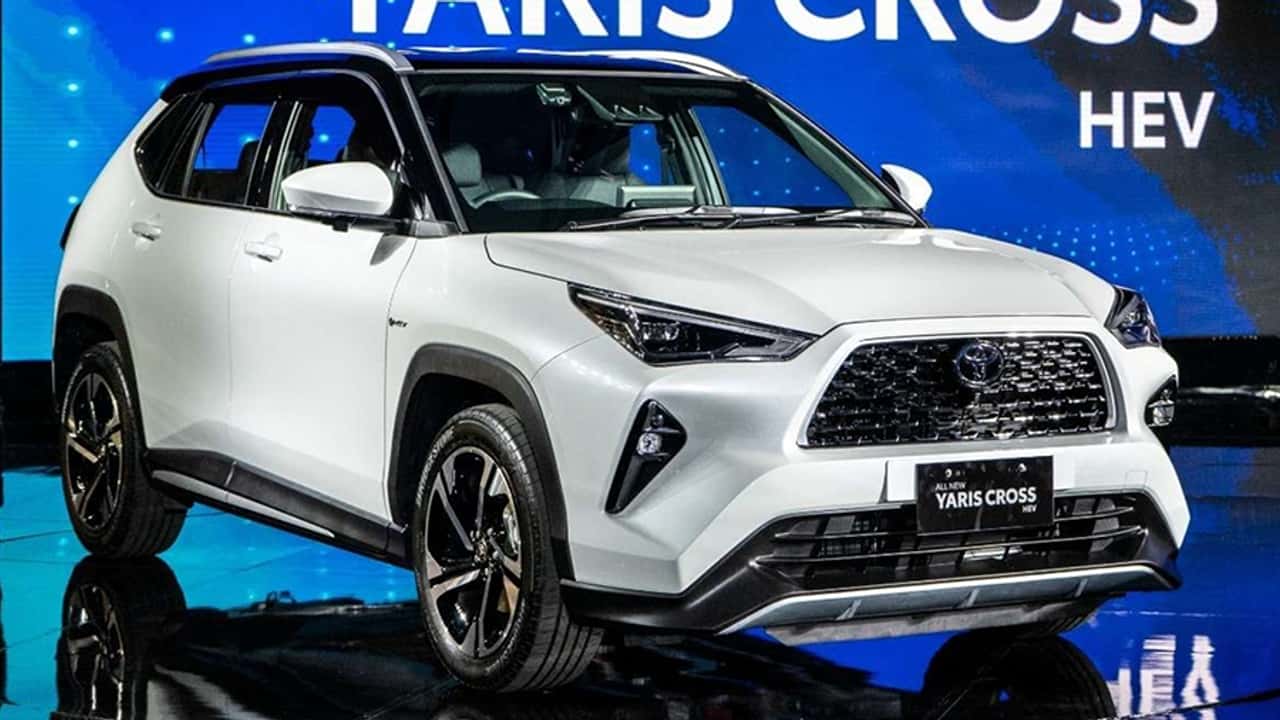
Toyota Yaris Cross: The Future of Compact Cars Is Shaped by Innovation and Sustainability
The Toyota is about to redefine the compact vehicle market with the launch of the Toyota Yaris Cross, a compact SUV that promises to combine efficiency and style. This bold move signals a new era for the Yaris lineup, which is already known for its reliability and smart design, according to newsmotor.
The arrival of the Yaris Cross brings with it a wave of expectation and speculation. But how will this new member affect the existing lineup of Yaris sedans and hatchbacks? The answer seems promising. Toyota plans to revitalize the Yaris sedan and hatchback, aligning them with the innovation of the Yaris Cross. These models are expected to receive a new generation by 2026, adopting the DNGA platform and the 1.5-liter flex hybrid engine, which offers approximately 113 hp of power.
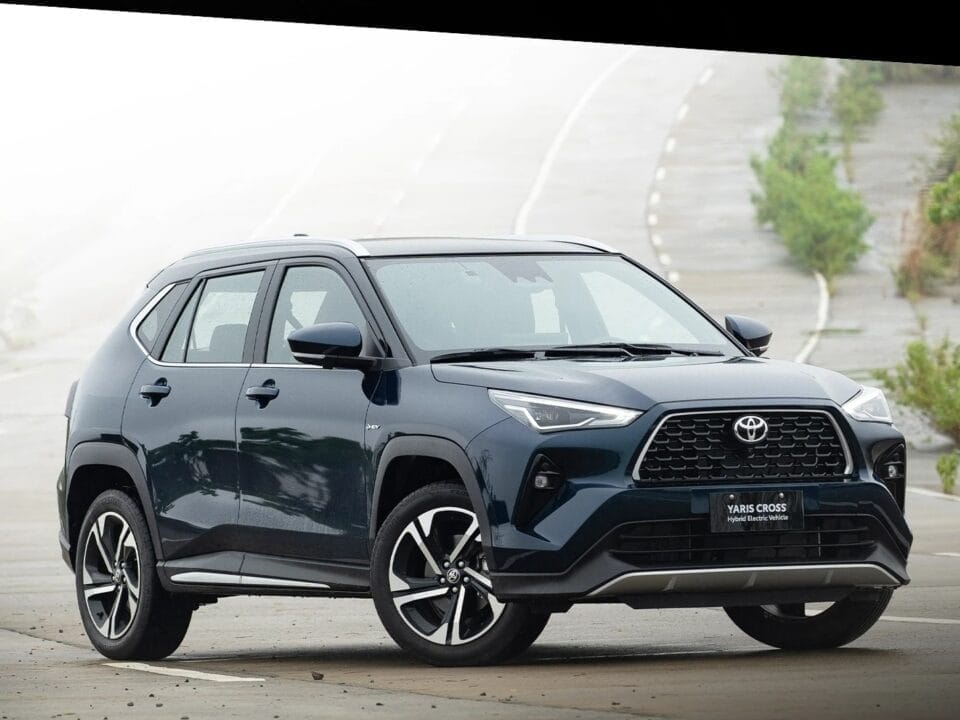
Sustainability and Performance
Moreover, Toyota does not forget those who prefer an exclusively flex option. The base versions of the new Yaris and Yaris Sedan will also feature this alternative, providing around 110 hp of power. This strategy not only caters to diverse consumer preferences but also reinforces Toyota’s commitment to energy efficiency and emission reduction.
-
Uber Faces Shareholder Scrutiny as Board Accused of Ignoring Safety, Compliance, and Harassment Warnings Amid Over 3,500 U.S. Lawsuits

-
Ferrari’s First Electric Car Divides Fans, Priced at $630,000, Amid Concerns Over Limited Editions; Brand Clarifies It’s Not Just for Future Perks
-
BYD Dolphin Mini: The Electric Car That Defies Depreciation, Losing Only 3.58% in a Year and Becoming the Best-Selling Retail Model Under $22,000

-
Electric Car JAC E-JS4 Loses $19,000 in Value in One Year, Leading Record Depreciation of Used Cars in Brazil Due to Expensive Battery and New Models


Here we have a comparison with a current model of the Toyota Yaris and an older model of the Yaris Cross, as we still do not have much information on the next generation. So we hope a better version is coming
| Specification | Toyota Yaris (2024) | Toyota Yaris Cross (2021) |
| Engine | 1.5 Flex | 1.5 Hybrid |
| Power (hp) | 110 (Ethanol) | 116 (Hybrid) |
| Torque (kgf.m) | 14.9 (Ethanol) | 14.9 |
| Top Speed (km/h) | 180 | 170 |
| Acceleration 0-100 (s) | 11.8 | 10.7 |
| City Mileage (km/l) | Not available | 52 MPG / 4.5 L/100 km |
| Highway Mileage (km/l) | Not available | 40 MPG / 5.9 L/100 km |
| Transmission | CVT with manual mode | CVT with manual mode |
| Drive | Front | Front |
| Height (mm) | 1,490 | 1,560 |
| Width (mm) | 1,730 | 1,765 |
| Length (mm) | 4,145 | 4,172 |
| Weight (Kg) | 1,135 | 1,227 to 1,277 |
| Tank (L) | 45 | 45 |
| Wheelbase (mm) | 2,550 | 2,560 |
| Trunk (L) | 310 | 452 |
| Occupants | 5 | 5 |
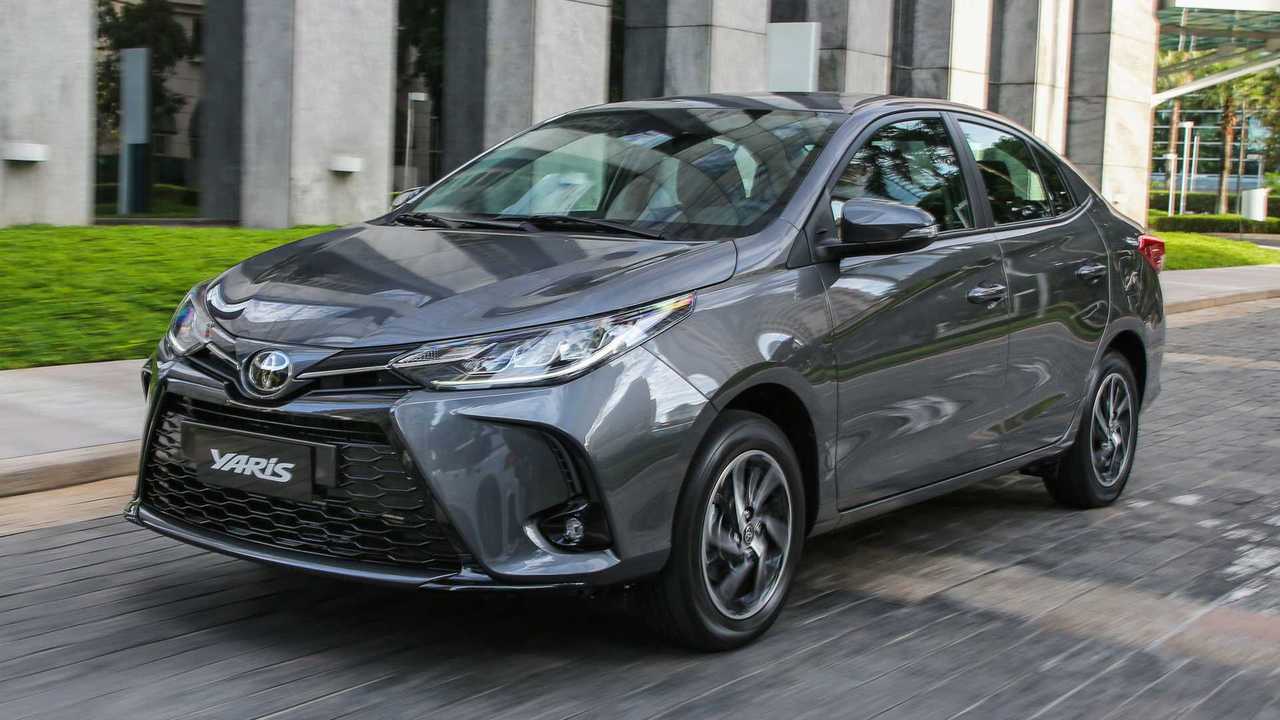
Global Expansion and Local Innovation, the New Yaris Cross at the Forefront of Toyota
Looking to the future, the Yaris hatch is preparing to conquer emerging markets, with a launch expected between 2025 and 2026. However, Toyota aims for a simultaneous launch strategy in South America and Asia, strengthening its presence while meeting local needs.
Thus, with the introduction of the Toyota Yaris Cross, Toyota not only expands its product lineup but also reaffirms its role as a leader in automotive innovation. The future of compact vehicles is here, and it is greener, smarter, and more connected than ever.





Be the first to react!