Portuguese
  Spanish


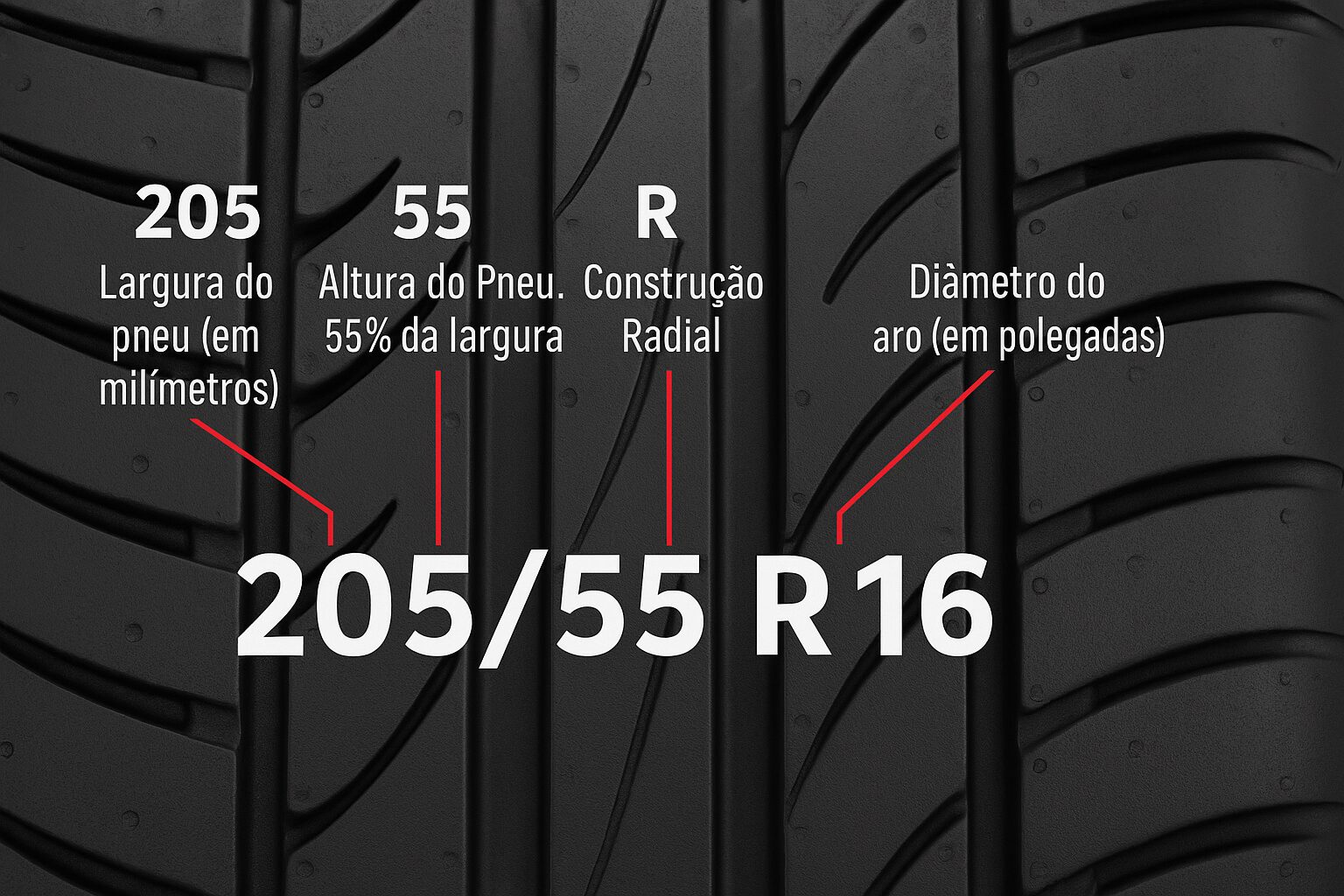

Car Tire Code: What Does 205/55 R16 Mean and How This Information Can Save Your Safety. Ignoring the Car Tire Code Can Put Your Safety at Risk. Understand What the Sequence 205/55 R16 Means and How to Read It Correctly to Avoid Errors in Choosing the Ideal Tire.
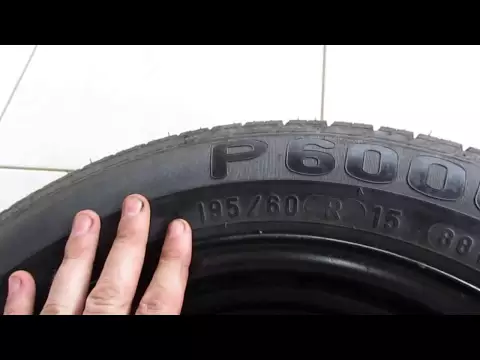
Although many drivers do not pay due attention, the car tire code provides essential information about the performance, safety, and compatibility of the product with your vehicle. Composed of numbers and letters, this code is printed on the sidewall of the tire and reveals details such as width, aspect ratio, construction type, diameter of the rim, load capacity, and maximum speed supported.
Even automotive enthusiasts sometimes ignore the true meaning of the inscription 205/55 R16. This article will explain, step by step, how to read the car tire and make the right choice — a decision that directly impacts stability, fuel economy, and comfort while driving.
Understand the Meaning of the Code 205/55 R16

The sequence 205/55 R16 is one of the most common in passenger vehicles in Brazil. See how to interpret it correctly:
-
13-Year-Old Raises Funds to Build Well, Transforming Lives in Cambodian Community Lacking Clean Water

-
Man with Metal Detector Finds Medieval Silver Seal in England, Uncovers 2,000-Year-Old Roman Gem with ‘Richard’s Secret’

-
Thailand Converts 8 Tons of PET Bottles into 3,500 School Backpacks, Showcasing Circular Economy with Over 40 Factories Involved

-
Mysterious Bats Spotted in Paris’s Père Lachaise Cemetery, Drawing Tourists to the “Vampire Cemetery”




- 205: indicates the section width of the tire in millimeters. In this case, the tire has a width of 205 mm, measured from side to side.
- 55: represents the percentage ratio of the sidewall height to the width of the tire. Here, the height is 55% of the 205 mm width.
- R: refers to the type of tire construction — Radial, the most commonly used today for better grip and durability.
- 16: is the rim diameter in inches, in this case, 16”.
Pirelli Guides on How to Read the Car Tire and Avoid Errors
In an effort to guide consumers, Pirelli has provided a series of practical recommendations on how to read the car tire and choose the appropriate model. According to Roberto Falkenstein, technical consultant for the brand, drivers who understand the car tire code make safer and more informed choices.
“Each tire contains a series of valuable information printed on its sidewall. Knowing these details helps drivers avoid issues such as instability, high fuel consumption, or premature wear,” the expert explains.
Mixing Models on the Same Axle Can Be Dangerous
One of Pirelli’s main alerts is not to mix different tires on the same axle of the car. Even if they appear visually similar, tires of different models may have different structures and compounds, which directly affect suspension behavior, vehicle balance, and response in emergency situations.
Terms in English You Should Know About Tires
In addition to the main code, there are various inscriptions in English that identify elements of tire construction:
- Plies: internal layers of fabric.
- Tread: the part of the tire that makes contact with the ground.
- Sidewall: the side face of the tire.
- Polyester / Steel / Nylon: materials used in construction (polyester, steel, nylon).
This information helps drivers or mechanics understand the tire’s strength and composition.
Know How to Choose the Correct Rim and Avoid Risks – Car Tire Code
In Brazil, the most common rims range from 13 to 23 inches, with 13 to 17” being the most traditional for passenger cars. Respecting the original rim size indicated by the vehicle manufacturer is essential to ensure drivability and safety.
A smaller rim may cause the car to scrape over bumps and potholes, while a larger rim than allowed alters the center of gravity and compromises the car’s stability.
Correct Tire Mounting Affects Performance
Another essential point is to respect the correct mounting position and the direction of rotation indicated on the tire itself. Tires with directional tread patterns, for example, are designed to drain water more efficiently when mounted correctly.
Incorrect mountings compromise performance, increase the risk of hydroplaning, and reduce the component’s durability.
Tubeless and Tubetype Tires: What’s the Difference?
It is also important to know if the tire is:
- Tubeless: tire without an inner tube, more modern and common today, offers more safety in case of punctures.
- Tubetype: tire with an inner tube, used in older or specific models.
Each type behaves differently in case of puncture or loss of pressure.
Load Index and Speed Code: Two Vital Factors in Evaluating the Car Tire Code
In addition to the 205/55 R16 code, tires have two additional codes:
- Load Index: a number that represents the maximum load supported by the tire. For example, index 82 corresponds to 475 kg; index 91, to 615 kg.
- Speed Code: a letter that represents the maximum speed that the tire can safely support. Here are some examples:
- T: up to 190 km/h (popular cars).
- H: up to 210 km/h.
- V: up to 240 km/h.
- Y: up to 300 km/h (sports or high-performance vehicles).
This information is standardized internationally and can be verified on the official manufacturers’ websites.
Final Tip: Always Consult the Owner’s Manual
The best way to ensure tire compatibility with your car is to consult the manufacturer’s manual. There, all recommendations regarding measurements, load and speed indices, as well as the type of use (urban, mixed or off-road) are provided.
Tires are fundamental components for the safety and performance of the vehicle. Therefore, understanding the meaning of the code 205/55 R16 and how it fits into your car’s specifications is an essential step for safe, economical, and comfortable driving.
Understanding the car tire code is not just a technical issue but a decision that directly affects your safety, economics, and performance. By knowing exactly what 205/55 R16 means, the driver becomes more aware and prepared to make decisions that truly protect their vehicle and occupants.