






 Portuguese
  Spanish


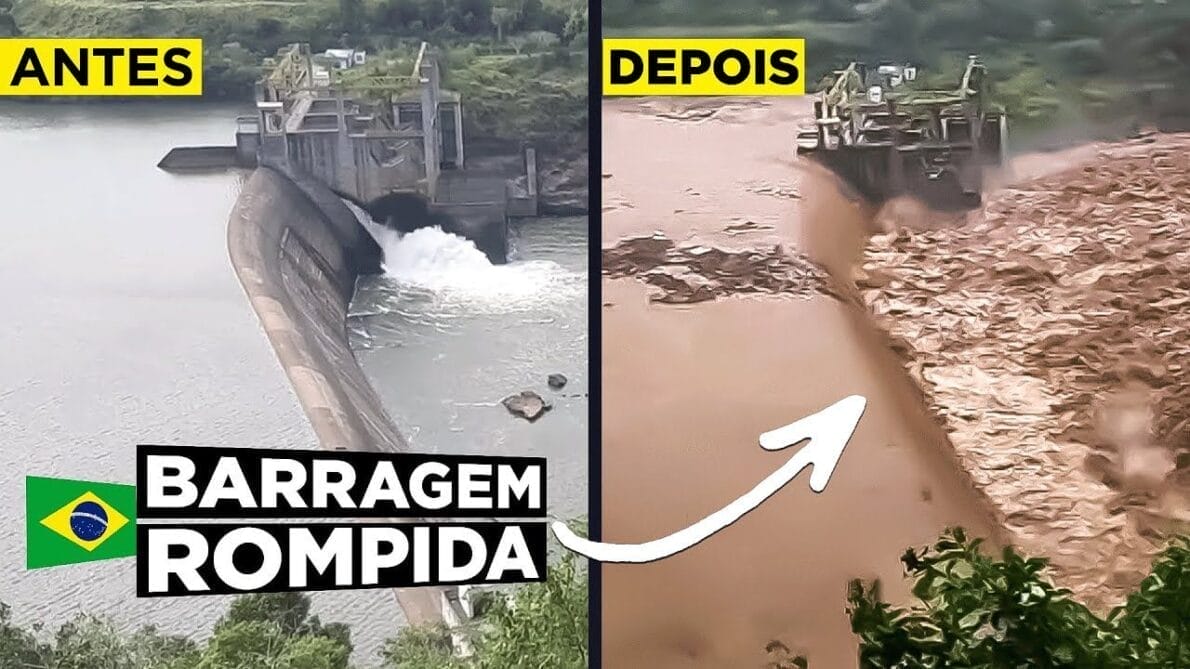

The Partial Collapse of the 14 de Julho Dam, Occurred on May 2, 2024, Aggravated the Already Critical Situation in Rio Grande do Sul, Affecting More Than 850,000 People, After Heavy Rains Raised the Levels of the Rio das Antas, Causing Flooding and Extensive Damage to Infrastructures Such as Bridges and Roads in Several Municipalities, Including Porto Alegre.
Rio Grande do Sul is experiencing one of the greatest tragedies in its history due to the partial break of the 14 de Julho Dam, located between Cotiporã and Bento Gonçalves. This event occurred amid intense rainfall, which had already left a trail of destruction throughout the state, affecting more than 850,000 people.
On May 2, 2024, the structure of the 14 de Julho Dam, which is a crucial part of the system hydroelectric of the region and provides energy for more than 180,000 homes, suffered a partial break. This incident occurred due to the extraordinary rise of the Rio das Antas, caused by the heavy rains that reached levels above 200 mm, saturating the soil and dangerously raising the river levels in the region.
Flood Destroyed Vital Infrastructures Such as Bridges and Roads
The consequences of the rupture were immediate and severe, initially affecting the city of Faria Lemos and rapidly extending to other locations until reaching Porto Alegre. The flood destroyed vital infrastructures such as bridges and roads, isolating communities and hindering rescue and aid operations.
-
The Port of Itaqui closes the best first semester in history with over 17 million tons and takes off as the locomotive of the Northern Arc.

-
Brazil’s North-South Railway to Auction Two Grain Terminals in Central Tocantins

-
AI-powered traffic cameras in São Paulo now issue fines for cellphone use and seatbelt violations around the clock

-
Free Upgrade to Professional Driver’s License Categories in Over 130 Locations in Brazil, Including Exams and Courses



Immediately before the disaster, local authorities had already activated the emergency plan, with evacuation sirens alerting the population in risk areas. Despite these efforts, the rapid advance of the waters hindered evacuation and rescue operations, increasing the number of homeless and displaced people.
Temporary Shelters Were Established, and Campaigns for Donations of Food, Clothing, and Basic Items Were Organized
The government of Rio Grande do Sul, together with the Civil Defense and federal support, mobilized resources to minimize the impact of the disaster, but the great help truly came from the local population and civil volunteers. Temporary shelters were established, and campaigns for food donations, clothing, and basic items were organized. The solidarity of Brazilians proved fundamental, with numerous donations and logistical support coming from different parts of the country.
The path to recovery is long and challenging. The reconstruction of the affected areas and the restoration of essential services such as drinking water and electricity are priorities. The 14 de Julho Dam, now under rigorous technical evaluation, represents a case study on the need to reinforce critical infrastructure in response to climate change and extreme weather events.








