






 Portuguese
  Spanish
  5 min of reading
  0 comments


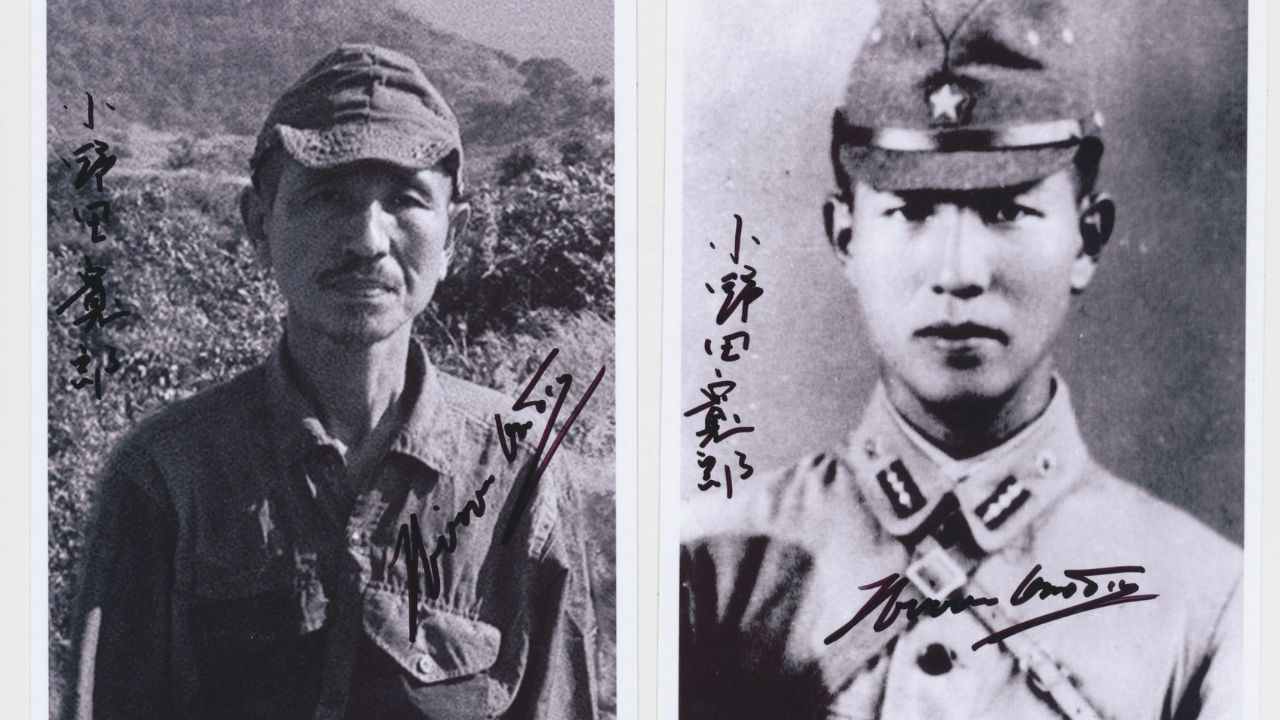
Discover How Hiroo Onoda, A Loyal Japanese Soldier, Refused to Surrender in The Philippines and Fought A Solitary War Decades After World War II
In 1974, a student named Norio Suzuki traveled to a remote island in the Philippines to investigate the rumor that a Japanese soldier had been living in the jungle since the end of World War II. What seemed like an urban legend turned out to be a shocking reality when he encountered Lieutenant Hiroo Onoda, who was entrenched and refusing to surrender, maintaining his own personal war for nearly 29 years. He strictly followed orders not to die and ignored any news of peace, considering everything enemy propaganda.
This unbelievable journey delves into the psychology of a man who dedicated his life to an illusion of duty and honor. Hiroo Onoda had been officially declared dead in 1959, after such time without being seen, but he remained alive and operational in the jungle. For him and his few companions, the world was still at war, and loyalty to the emperor demanded that they continue fighting until rescue, no matter how long it took.
An Order Not to Die
The trajectory that defined Hiroo Onoda‘s fate began in December 1944, when he was sent to defend Lubang Island in the Philippines. With the American invasion escalating, he received a battlefield promotion and direct orders from General Akira Muto that sealed his future. He was forbidden to die by his own hands. The instruction was clear and stated it could take three or five years, but the army would come back for him at all costs.
-
Roman villa full of luxurious details discovered on the outskirts of Rome reignites mystery about Hadrian, Antoninus Pius, and Marcus Aurelius.

-
4-year-old child who reads like a third-grade student, counts in five languages, and scored 156 out of 160 on an IQ test joins Mensa in the United States.

-
Child who said their first word at 7 months and was counting in 5 languages by age 2 is among the top 2% most intelligent and becomes the youngest male member of the world’s largest high IQ organization.
-
A man went to the supermarket in China with the salary of a single day’s work, and what he put in the cart will make any Brazilian question why they pay so much to eat so little.




When American forces landed and took the city, Hiroo Onoda ordered a withdrawal to the mountains and initiated a guerrilla tactic. Divided into small cells, the soldiers resorted to sabotage and ambushes to survive. The group became isolated in the jungle and did not know about the catastrophic events that ended World War II, such as the atomic bombs and Japan’s official surrender. For this Japanese soldier, the fight continued fiercely.
Disbelief in Peace and The Routine in The Jungle
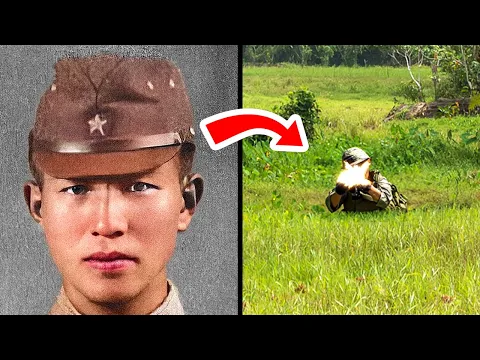

Even when the first leaflets informing the end of World War II were dropped over the jungle in October 1945, the fighters were skeptical. They firmly believed it was a trick from the enemies to force them out of hiding. Later, a printed order from a general was dismissed due to containing suspicious grammatical errors, reinforcing the group’s paranoia that the documents were American forgeries created to end the war.
Life in the jungle of the Philippines was brutal and required constant adaptation. To survive, they stole rice and occasionally cows from the local inhabitants, which they justified as resource appropriation from the enemy. They kept their gear and weapons immaculate using palm oil to prevent rust. However, the isolation took its toll. Soldier Akatsu surrendered in 1949, but the three remaining, including Hiroo Onoda, saw this as a danger, believing he had been captured by the enemy.
The Last Man Standing
The group’s stubbornness came at a very high cost over the years. In 1954, Corporal Shimada was accidentally killed by a Philippine training unit, which only fueled the delusion that the war was still active. Even with the arrival of letters and photos from relatives, they rejected the evidence. They believed the family had been coerced or that the photos were fakes, as the newspapers did not mention the Greater East Asia Co-Prosperity Sphere, an imperial concept that this Japanese soldier deemed indestructible.
In October 1972, the situation became critical during an operation to burn the locals’ rice. The police intervened, and Soldier Kozuka was shot dead. Hiroo Onoda was now completely alone on the island. He continued his solitary patrol, waiting for an imaginary secret agent and maintaining his strict routine. He even ignored appeals from his own brother via loudspeakers, convinced that the voice belonged to an impersonator sent by the enemies of World War II.
The Meeting and The Official Surrender
It was the curiosity and boldness of young Norio Suzuki that finally broke the cycle in 1974. Suzuki managed to find Hiroo Onoda in just four days. By speaking a polite Japanese dialect and wearing thick socks, unlike the locals, he gained the lieutenant’s trust. After hours of conversation, Hiroo Onoda slowly began to accept that Japan had lost the war and had been living in peace for decades.
However, to leave the jungle of the Philippines, he imposed a non-negotiable condition. He needed a direct order from his superior. Suzuki kept the promise and brought the former major, now a retired bookseller, to read the official order to cease combat. Hiroo Onoda‘s 29-year war finally ended. He surrendered his sword, was forgiven by the Philippine president for the crimes committed during the guerrilla, and returned to Japan as a hero and an example of samurai loyalty.
A New Life in Brazil
Modern Japan was a strange land for the veteran who had stopped in time. Seeking a new beginning away from fame, Hiroo Onoda moved to Brazil in 1975. He settled in a Japanese colony in São Paulo to work with cattle ranching alongside his brother. The Japanese soldier who survived the jungle became a farmer in the Brazilian countryside.
Years later, he returned to Japan to establish a nature school, teaching survival to children, and even donated money to the Lubang community as gratitude. Hiroo Onoda passed away in 2014, at 91 years of age, concluding one of the most impressive stories of human persistence linked to World War II.
Do you think Onoda’s attitude was a supreme example of loyalty or merely a tragedy caused by military indoctrination? Leave your opinion in the comments!







-

2 people reacted to this.