






 Portuguese
  Spanish


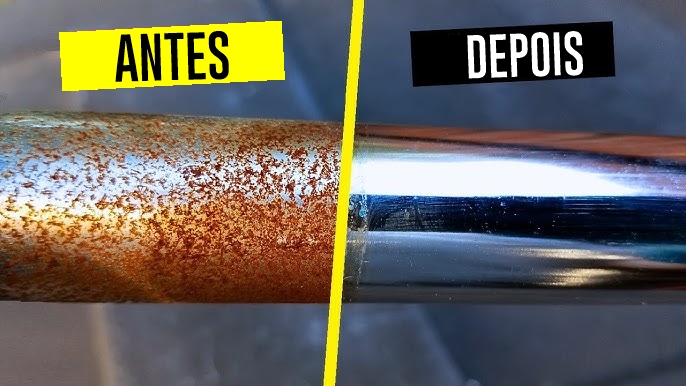


Discover A Simple And Effective Home Remedy To Eliminate Rust From Any Metal Object, Restoring It To Its Original Condition With Ease.
Rust is a problem that affects tools and metal objects in homes and gardens. Fortunately, simple, eco-friendly, and cost-effective methods can solve this without the need for commercial chemical products. Here are the most effective techniques to restore your tools using vinegar and salt.
Why Is Rust A Common Problem?
Rust, formed by the oxidation of iron in contact with moisture and oxygen, can compromise the functionality of tools and metal objects.
-
Australia Plans to Export Desert Solar Energy to Singapore via 4,300 km Undersea Cable in a $35 Billion Project

-
Archaeologists Discover 9,000-Year-Old Stone Hammer with Perfect Hole During Routine Inspection for Norwegian Bike Path

-
New Regulations in Brazil Require Dedicated Circuit and Safety Measures for Electric Car Chargers in Condos, Highlighting Hidden Risks of Overnight Charging

-
Argentinian Students Transform Cigarette Butts into Eco-Friendly Bricks, Cutting Cement Use by Over 50% and Halving Costs




Even high-quality items are not immune. Traditional removal methods involve harsh chemicals, but homemade alternatives are equally effective and more sustainable.


White Vinegar: Acetic Acid In Action
White vinegar is a powerful ally in removing rust due to the acetic acid present in its composition. It dissolves iron oxide, making it easy to remove.
Step By Step:
- Fill a glass container with enough white vinegar to completely cover the rusty object.
- Let the tool soak for 24 to 48 hours, depending on the degree of oxidation.
- After the necessary time, use a metal sponge to scrub the surface and remove residues.
This method is ideal for smaller items, such as pliers, screwdrivers, and cutters. Besides being practical, it is cost-effective and safe for the environment.
Apple Cider Vinegar And Salt: Powerful Combination
When rust is more advanced, enhancing vinegar with salt can be the solution. This mixture generates a chemical reaction that intensifies the removal of oxidation.
How To Make:
- In a container, mix apple cider vinegar (or another edible vinegar) with two tablespoons of salt for every 250 ml.
- Submerge the tool in the mixture and let it sit for at least 48 hours.
- After the period, scrub the surface with a metal sponge.
The chemical reaction creates low-intensity hydrochloric acid, which is effective in removing rust, leaving your tools looking renewed.
Finishing The Process: Cleaning With Water And Soap
Regardless of the chosen method, the final step is crucial to avoid the recurrence of rust.
- Rinse the tools with warm water and detergent to remove residues of acid and salt.
- Dry the objects thoroughly with a clean cloth or paper towel.
- To avoid new oxidation, apply a layer of mineral oil or protective wax.
Important Tips For Better Results
- Soaking Time: Keep the objects submerged for up to 48 hours. Do not exceed 72 hours to avoid damaging the metal.
- Well-Ventilated Area: Perform the procedure in areas with good air circulation, especially when using the vinegar and salt mixture.
- Future Prevention: After the process, store the tools in a dry place and apply moisture protective products.
Why Choose Home Remedies?
Unlike commercial chemical products, these techniques do not negatively impact the environment. Using vinegar and salt, common ingredients in any household, reduces costs and promotes sustainability. Additionally, these methods are effective, safe, and easy to apply.
With these strategies, you transform unused tools back into functional items. Try it today and restore your objects in a practical and sustainable way.


