Portuguese
  Spanish


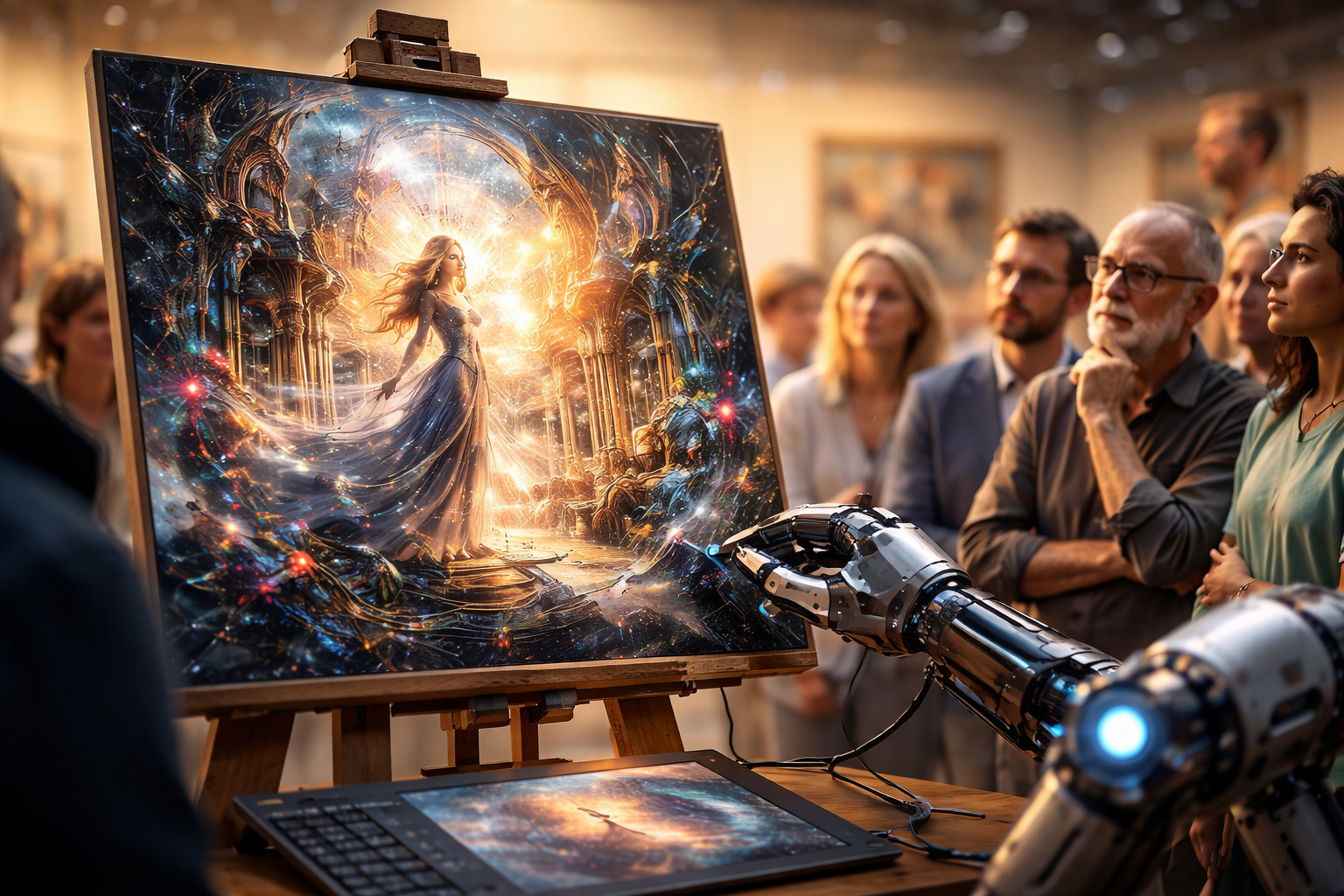


AI Enters Traditional Art Competitions, Wins Awards, and Provokes Global Discussions About Creativity, Authorship, and the Limits Between Technology and Human Expression.
The victory of a piece created by AI in a traditional art competition marked a turning point in the contemporary debate about art and technology. The episode not only surprised the audience but also exposed longstanding tensions between technical innovation, intellectual authorship, and the role of the human artist. Since then, the discussion has expanded beyond the artistic realm, reaching lawyers, educators, developers, and cultural institutions.
According to a report published in September 2022 by The New York Times, the winning piece was produced with the help of an AI system capable of generating images from textual commands. The competition, until then exclusively focused on human production, awarded the image without the judges initially knowing about the technology’s involvement in the creative process.
Since this announcement, the case has been cited as an emblematic example of an ongoing transformation. Art, historically associated with human experience, has begun to share space with algorithms, raising questions that go far beyond an isolated award.
-
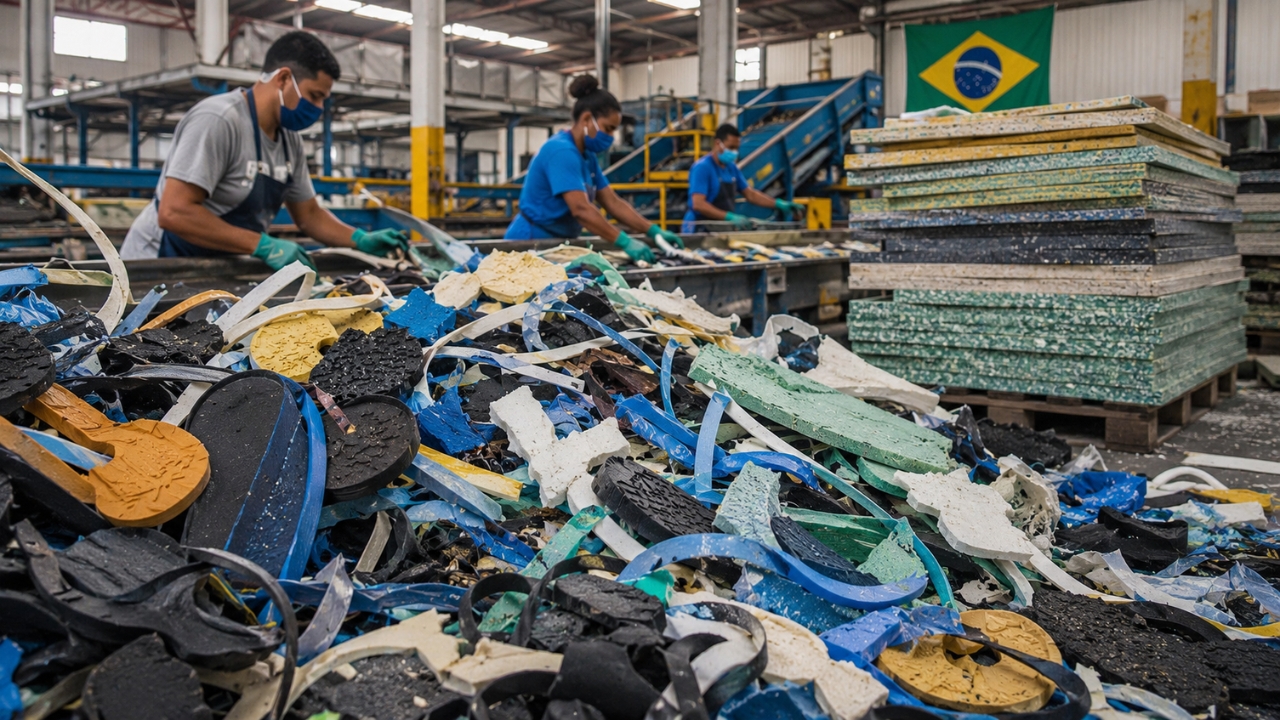
The industrial waste that even recyclers didn’t want has gained value in the interior of Bahia: two entrepreneurs invested R$ 2.8 million to transform 350 tons per year of foam, rubber, and plastic into boards that can replace wood and MDF.

-
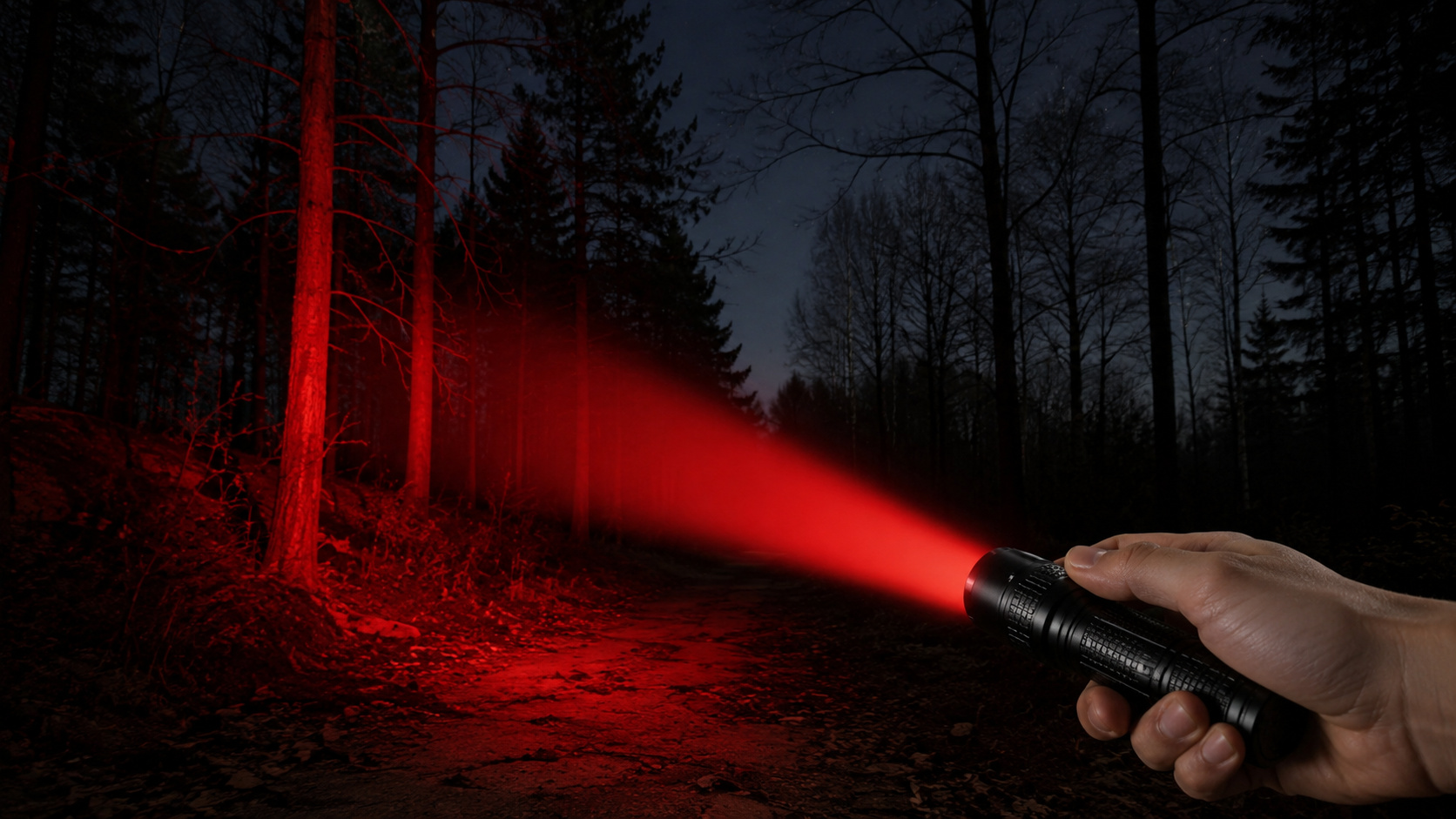
What is a red flashlight used for, after all? See why it is so commonly used at night.

-
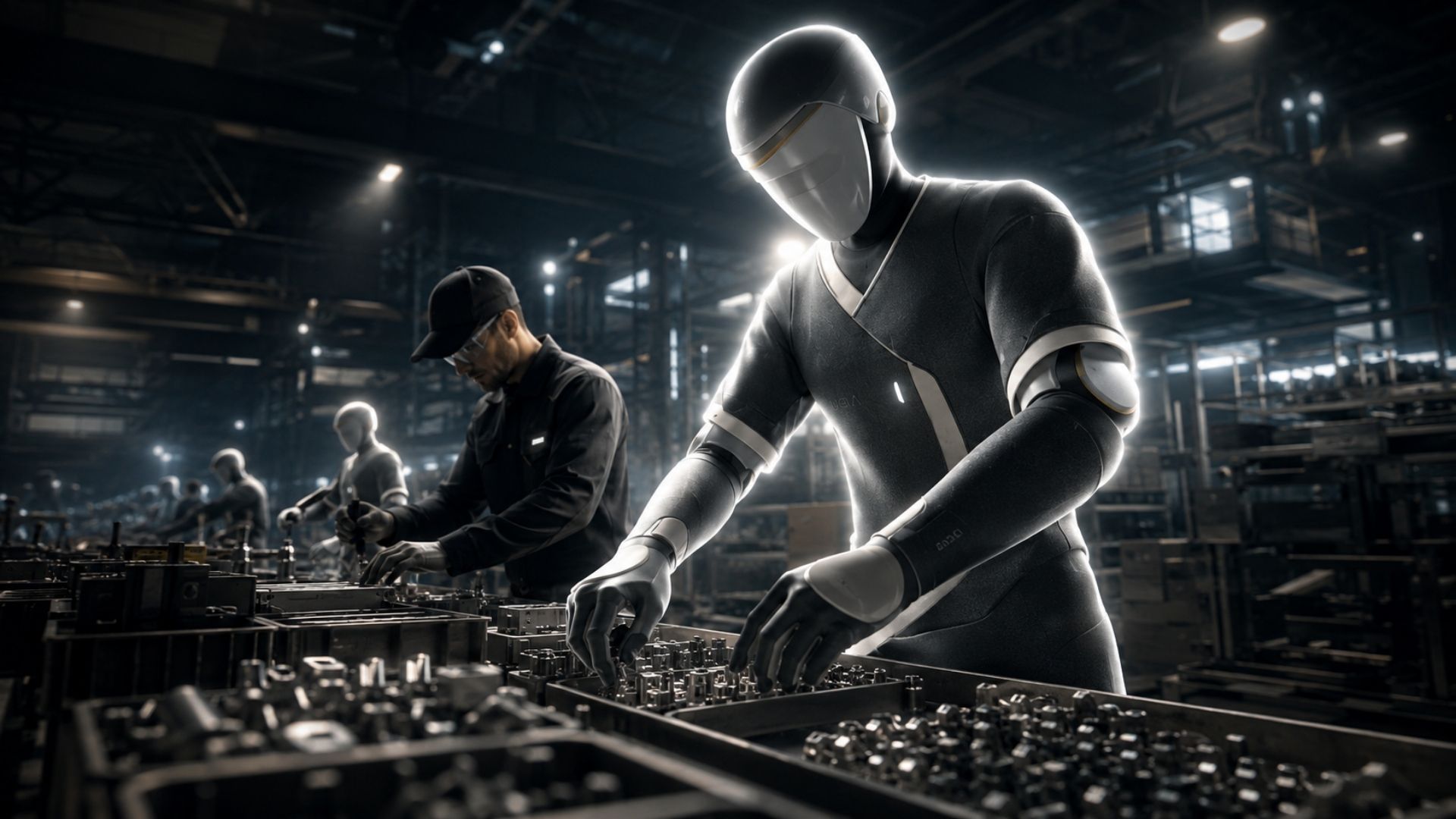
He has never read a line of code, but he already knows how to work: the French company UMA presented in Paris the Northstar, its first AI-powered humanoid robot designed for factories and warehouses, capable of copying tasks just by observing an employee in action.

-
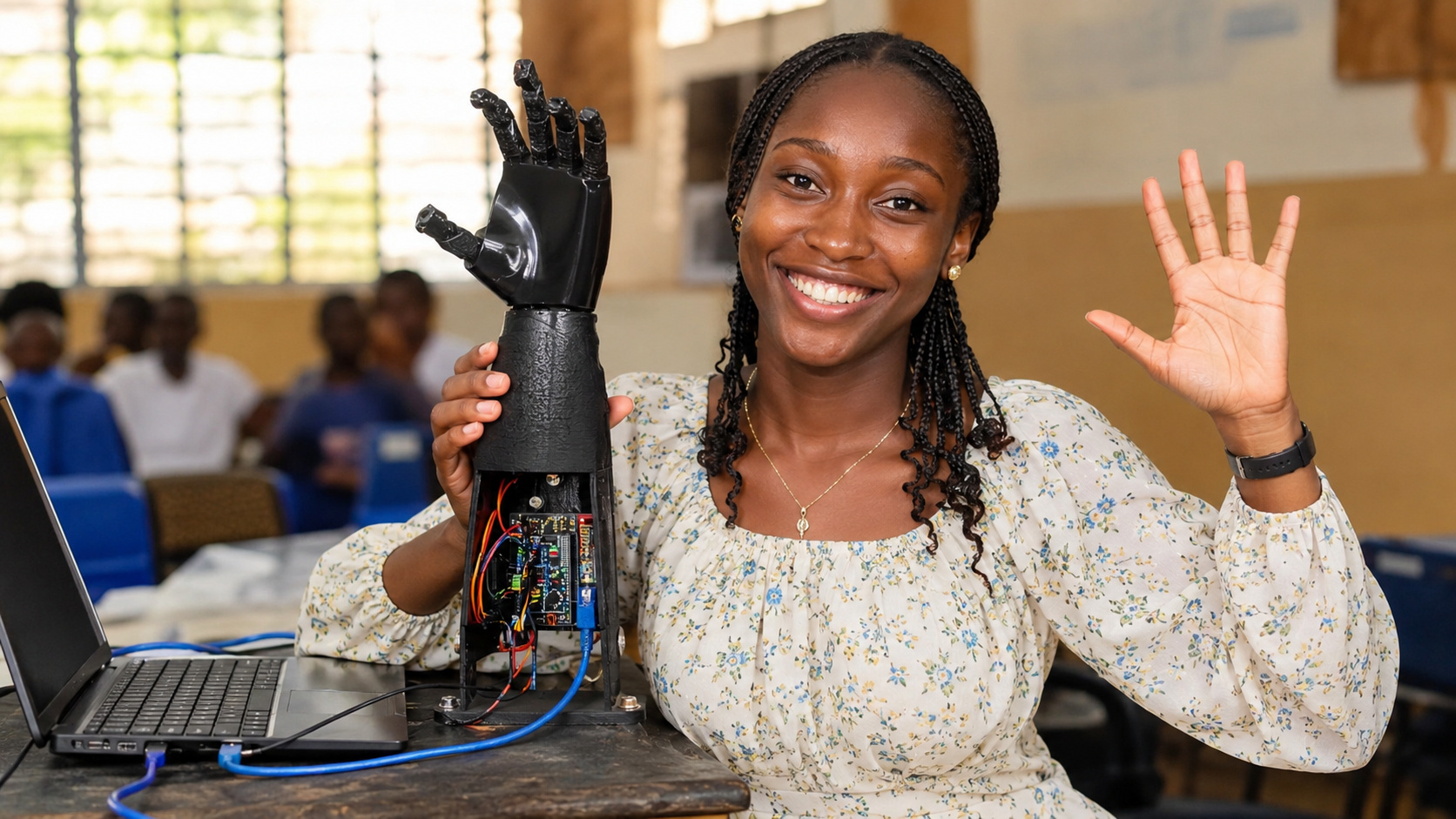
A young Kenyan engineer collects plastic waste from the streets and transforms it into robots that translate physics lessons into sign language in real-time, a machine made with old bottles that teaches what was missing to deaf children left out of science.
The Historical Context of the Relationship Between Art and Technology
The presence of technology in art is not new. Since the invention of photography in the 19th century, artists and critics have debated the impact of machines on creativity. At that time, many believed that photography would threaten painting. However, what emerged was an expansion of artistic languages.
Similarly, the rise of digital art in the final decades of the 20th century also faced initial resistance. Computational tools began to integrate into the creative process, without eliminating the role of the artist. Nevertheless, AI introduces a new element: the ability to generate images autonomously, drawing from large databases.
According to experts consulted by The New York Times, this difference profoundly alters the debate. While traditional software depends directly on human action, generative AI systems produce unprecedented results with minimal direct intervention. Thus, the boundary between tool and creator becomes more blurred.

How AI Created the Winning Piece
According to the report, the human author of the piece used an AI platform to generate the image from detailed textual descriptions. The process involved adjustments, selections, and refinements, but the visual basis was produced by the algorithm.
This point became central to the controversy. After all, who is the author of the work? The human who wrote the commands or the system that transformed words into images? This question, although seemingly simple, does not have a consensual answer.
According to The New York Times, artists present at the competition claimed that the contest was no longer fair. For them, AI represents a technical advantage that was not anticipated in the original rules. Others, however, argued that technology is just another creative tool, like brushes or graphic software.
Authorship, Copyright, and Legal Gaps
The advancement of AI in art also exposes weaknesses in copyright systems. Current laws in many countries were created based on the idea of human authorship. As a result, works produced by algorithms challenge traditional legal definitions.
According to experts cited by The New York Times, in 2022, the United States still did not officially recognize AI as the author of copyright-protected works. This means that, legally, only humans can hold copyright.
However, the situation becomes more complex when AI uses databases consisting of pre-existing human works. Artists argue that their styles are reproduced without consent. This discussion connects technology, ethics, and intellectual property, broadening the scope of the controversy.
The Impact of AI on Human Artists
In addition to legal issues, the victory of the work created by AI raised economic and symbolic concerns. Many artists fear that automation will reduce job opportunities, especially in fields such as illustration, design, and concept art.
On the other hand, advocates of technology argue that AI does not replace human creativity but expands possibilities. According to cultural analysts interviewed by The New York Times, artists who learn to engage with these tools may gain new forms of expression.
In this sense, AI begins to be seen as a collaborator, not as a competitor. Still, this view does not eliminate the discomfort generated by the speed of change.
Art, Creativity, and the Role of the Human
Historically, art has always reflected the spirit of its time. The introduction of AI in this field can be interpreted as a reflection of an increasingly algorithm-mediated society. However, many critics argue that creativity involves intention, context, and subjective experience.
According to The New York Times, art philosophers emphasize that AI lacks consciousness, emotions, or its own cultural experience. It operates based on statistical patterns. This limitation raises doubts about whether algorithmic production can truly be called art.
On the other hand, the public often reacts to works generated by AI with emotion and interest. This suggests that artistic value may not solely depend on the origin of the work, but also on its reception.
Art Competitions and the Need for New Rules
After the controversy, competitions and cultural institutions began to review their regulations. Many started to require explicit declaration of the use of AI in the creative process. Others established specific categories for works produced with technology.
According to The New York Times, these changes began to emerge as early as 2022, just a few months after the case gained international attention. The goal is to ensure transparency and preserve trust in artistic evaluation processes.
This adaptation demonstrates that the debate is not limited to prohibiting or allowing AI, but rather establishing clear criteria. Thus, art continues to evolve without ignoring ethical and cultural principles.
AI as a Symbol of a New Creative Era
The victory of a work created by AI in a traditional art competition does not represent an isolated event. On the contrary, it symbolizes a historical transition. Technology has ceased to be just a support and has taken on a central role in cultural creation.
According to analyses published by The New York Times, similar cases are expected to multiply as AI tools become more accessible. This demands continuous reflection on values, limits, and responsibilities.
In this scenario, art serves as a field of social experimentation. It exposes conflicts, anticipates dilemmas, and invites reflection. The presence of AI in artistic creation does not end the role of the human, but redefines its position.
By provoking debates about authorship, creativity, and rights, AI forces society to rethink concepts that seemed consolidated. Thus, the controversy surrounding the winning work reveals less a threat and more an invitation: to understand how humans and machines can coexist in the creative process of the 21st century.