






 Portuguese
  Spanish


The Largest Urban Mobility Project in the Country Is About to Change Salvador Forever, Creating Thousands of Jobs and Driving the Transformation of Traditional Neighborhoods with Innovative Technologies That Promise to Revolutionize Local Public Transport.
The construction of Brazil’s largest Light Rail Vehicle (LRV) in Salvador is already boosting the local job market, with the expectation of generating around 2,000 direct and indirect jobs during the construction period, as announced by the state government.
The project is seen as a historic milestone for urban mobility in the capital of Bahia, which seeks to modernize its public transport system and reduce chronic problems of congestion and pollution.
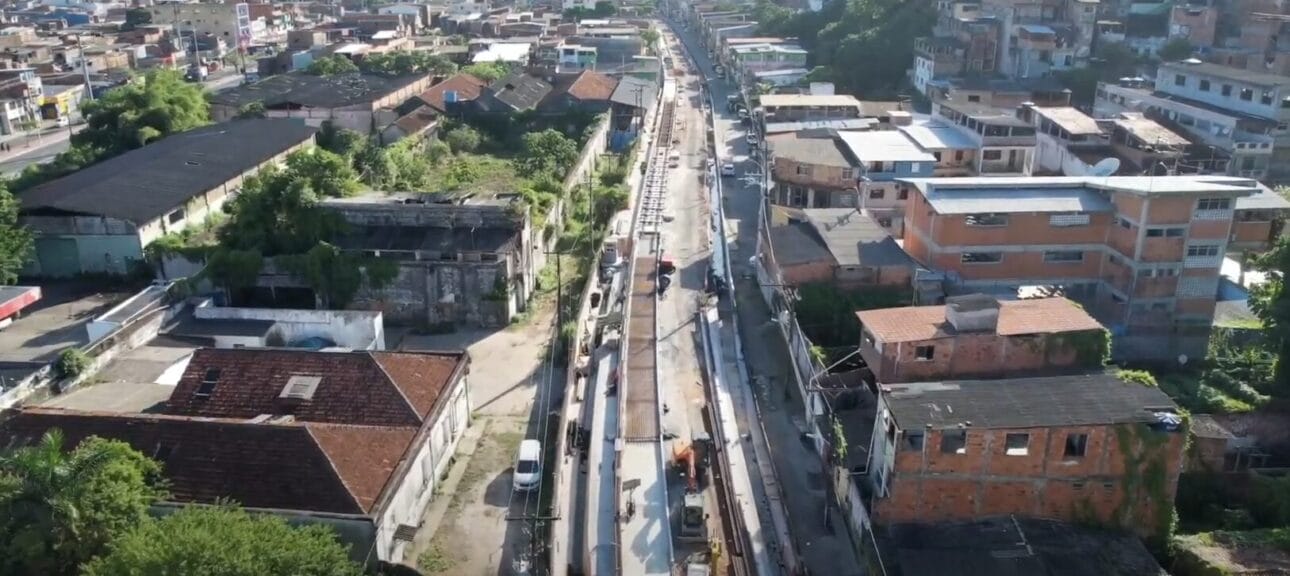
With a length of 36 kilometers and 34 stations, the LRV will connect the historic districts of Cidade Baixa to the capital’s waterfront and suburbs, promoting an unprecedented urban integration in the region.
-
Brazil’s 2026 Tax Refund: Record 9.58 Million Filers in Largest Payout Ever, But a Key Detail on Priority Recipients Draws Nationwide Attention

-
Itaú Alters Hybrid Work Model, Increasing Office Days from 2028, Prompting Employees to Adjust to New Routine
-
Facing Labor Shortage, Japan Plans to Invest $34 Million to Attract Foreign Workers in Construction, Healthcare, Industry, and Commerce

-
Brazilian City Makes Remarkable Leap, Becomes 4th Wealthiest in the Country with GDP of R$ 134.1 Billion



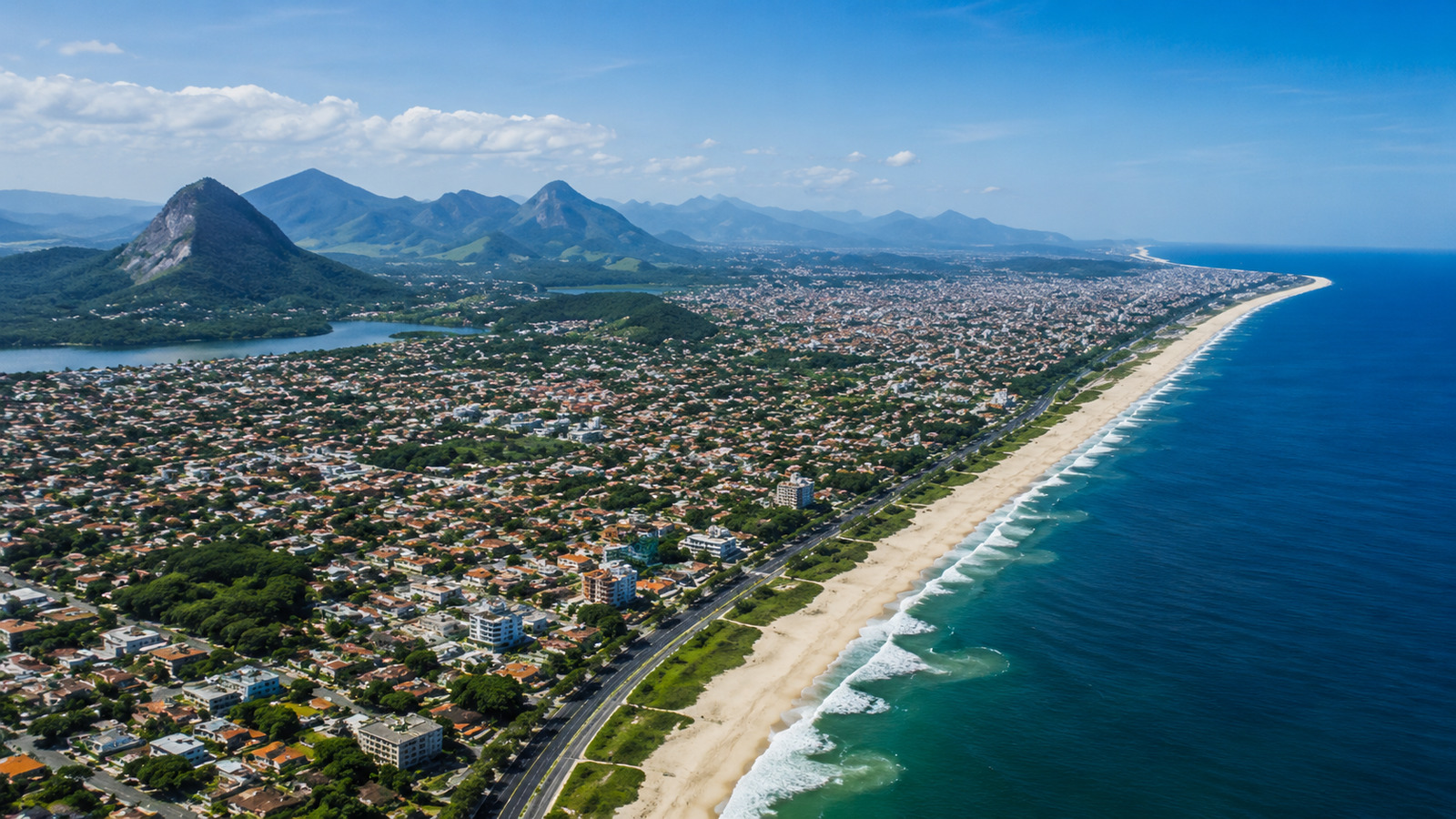
The initiative uses electric, quiet, and sustainable cars, betting on cutting-edge technology to ensure comfort and efficiency for users.
The city’s old railway system, deactivated in 2021, transported around 15,000 passengers daily, a number that the new LRV aims to multiply with a projection of serving up to 100,000 passengers per day.
The total investment planned for the project exceeds R$ 5 billion, and the expectation is that the system will begin operations in 2027.


The Transformation of Mobility in Salvador
According to urban planning and public transport specialists, the LRV is a strategic alternative to tackle Salvador’s historical problems, one of the Brazilian cities with the highest traffic congestion rates.
By providing a fast, comfortable, and sustainable route, the LRV should reduce the use of private vehicles, decreasing traffic and emissions of pollutants.
Moreover, the implementation of the LRV is directly linked to the property valuation of the neighborhoods that will be served, encouraging urban revitalization and local economic development.
Traditional and tourist neighborhoods in Cidade Baixa will gain new dynamics, with the potential to attract investments and improve the quality of life for residents.
Job Creation and Economic Impact
According to the state government, the LRV construction site will be responsible for around 2,000 job vacancies, involving construction workers, engineers, technicians, suppliers, and related services.
In addition to direct jobs, the project promises to boost the local economy through the supply chain that will be activated, such as commerce, services, and logistics, benefiting various sectors.
This impact is especially relevant at a time when the Bahian economy seeks to recover from the effects of the pandemic and boost sustainable growth.
Technology and Sustainability in Transport
The LRV in Salvador adopts modern technologies that align efficiency and environmental care.
The electric trains operate with low energy consumption and virtually zero emissions, contributing to the improvement of air quality in the city.
The system will also be equipped with accessible platforms, enhanced security, and integration with other modes, facilitating mobility for users, including people with reduced mobility.
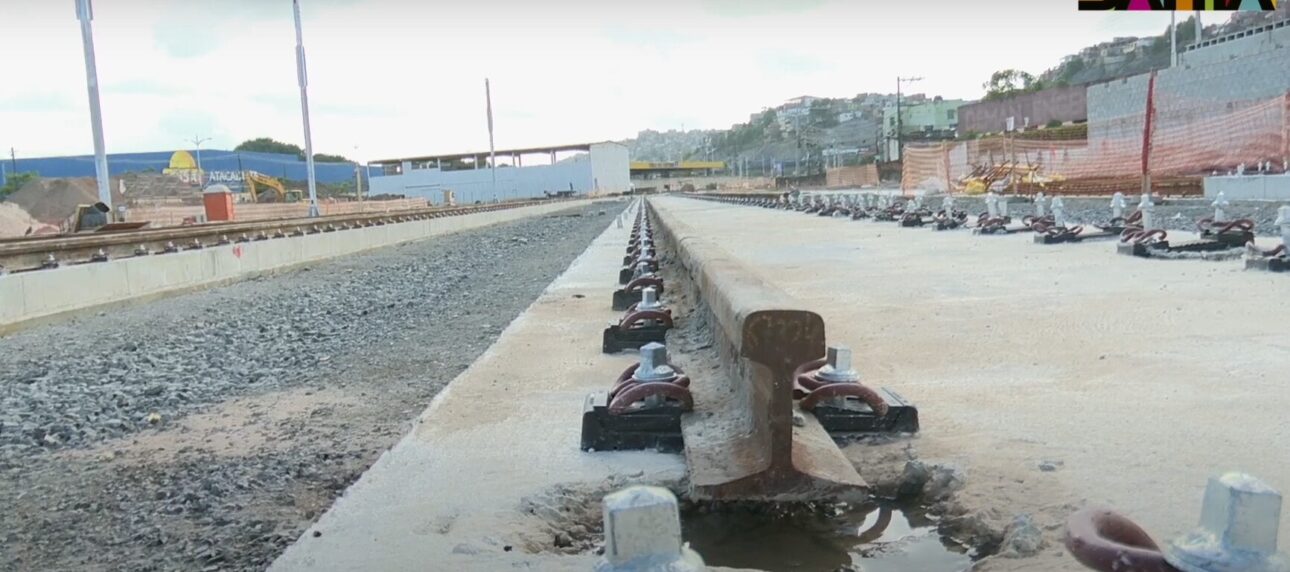
The use of tracks adapted to the urban profile aims to minimize impacts on traffic and the daily routine of the population during construction and after implementation.
Expectations and Challenges for the Future
The projected start of operations in 2027 is viewed optimistically, although there are logistical and financial challenges to be faced until then.
The second phase of the LRV, which should cover the Historical Center of Santos, does not yet have a defined date for public service to begin, demonstrating that complex urban mobility projects require rigorous planning and constant adjustments.
Experts stress that to ensure the success of the LRV, investment in awareness campaigns, improvements in urban infrastructure, and efficient management of the system will be essential.
What Does Salvador Gain from the Largest LRV in Brazil?
In addition to the promise of modernizing public transport, the LRV is expected to become a symbol of Salvador’s urban transformation, promoting social inclusion, economic development, and environmental sustainability.
The expectation of serving up to 100,000 passengers daily indicates that the system could become one of the main vectors for improving the quality of life in the capital of Bahia and its suburbs.
With cutting-edge technology and robust investment, the project may inspire other Brazilian cities to invest in similar solutions for their urban challenges.
Do you believe the LRV will be able to transform public transport in Salvador? How could this innovation impact your routine and the city’s development?








