Portuguese
  Spanish


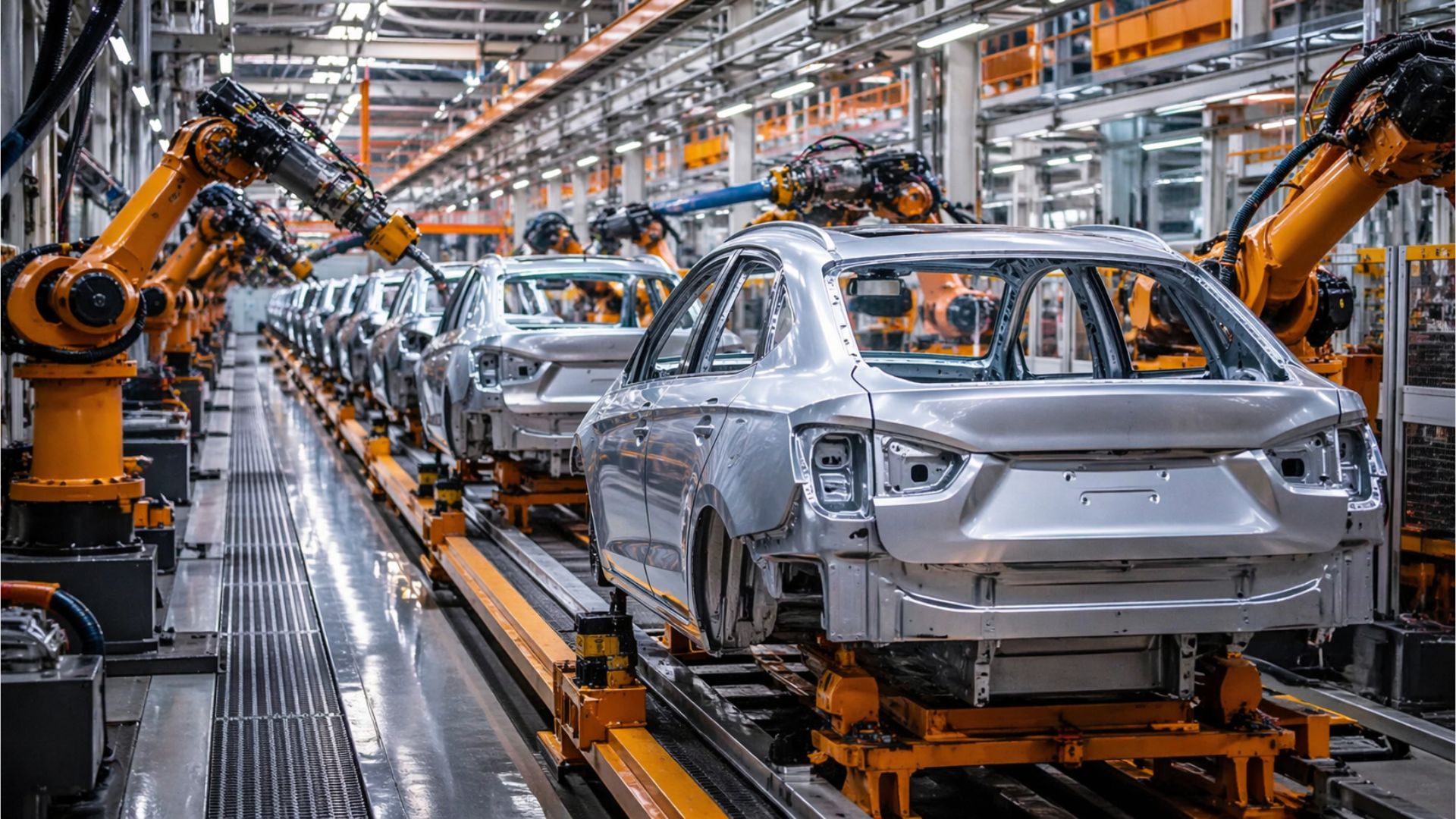

The advancement of Omoda & Jaecoo at the Jaguar Land Rover factory marks a turning point in the automotive industry, with direct impact on national production, job creation, and new investments in Brazil
The movement of Omoda & Jaecoo to take over the Jaguar Land Rover factory in Itatiaia, Rio de Janeiro, inaugurates a new chapter for the Brazilian automotive industry. The decision, revealed behind the scenes of the sector and detailed by Jorge Moraes, points to a clear strategy: to leverage an already established structure to accelerate national production and reposition Brazil as a relevant hub in Latin America.
The plant, which was the first Jaguar Land Rover facility outside the United Kingdom, is set to change hands after a period of low utilization. The new plan involves not only resuming production but also significantly expanding capacity and diversifying the models produced.
Omoda & Jaecoo redefine use of the Jaguar Land Rover factory and accelerate national production
The arrival of Omoda & Jaecoo at the Jaguar Land Rover factory represents more than just a simple operational change. It is a strategic redefinition of the industrial use of the unit, which received investments exceeding R$ 1 billion throughout its implementation.
-
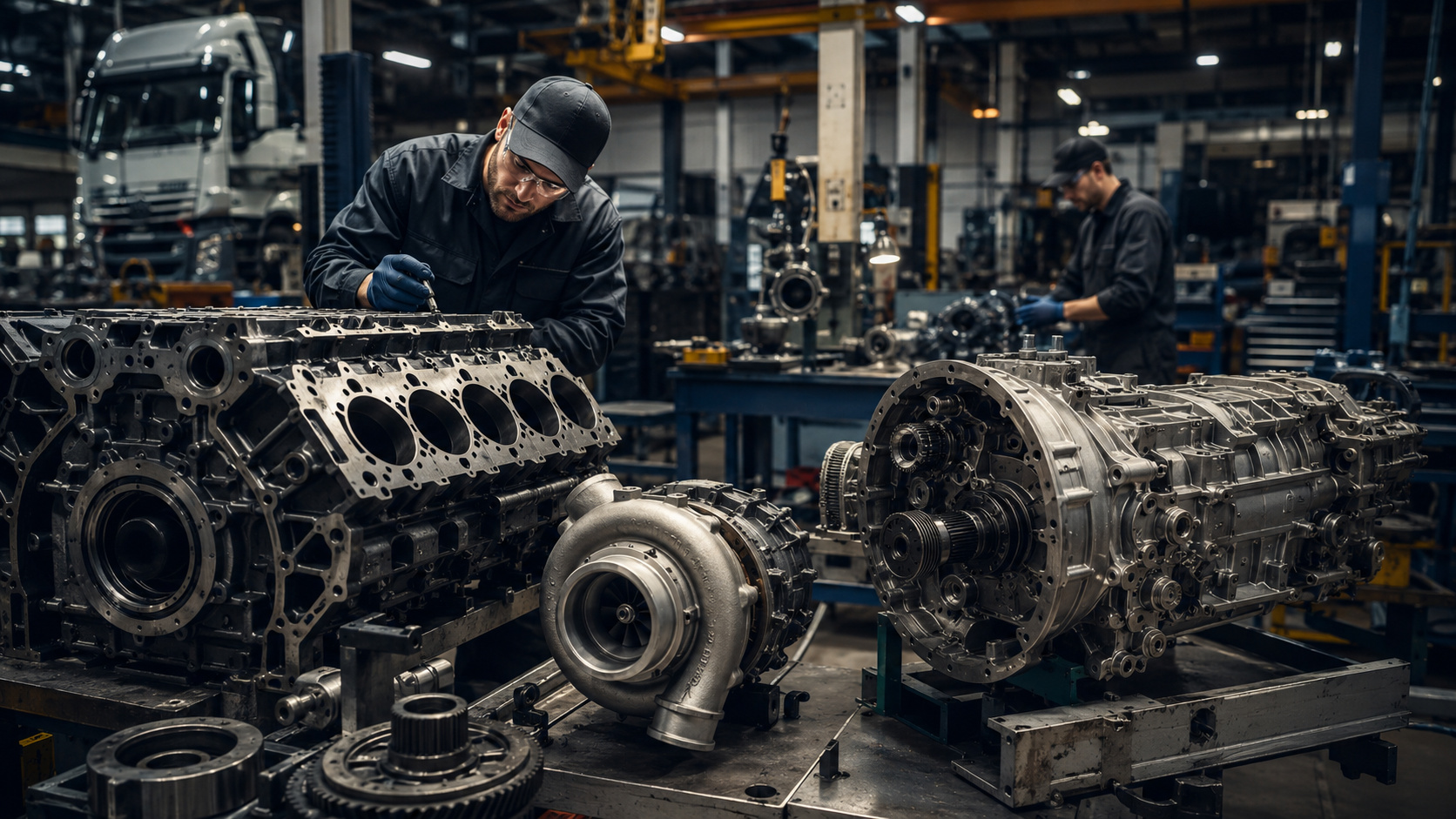
Brazilian Factory Restores Truck Engines and Parts, Reducing Raw Material Use by Up to 85% After 80 Years in Business

-
British Marines Set Record by Changing Ford Escort Engine in 42 Seconds, Unbroken for 40 Years

-
BYD Owners in Brazil Raise Concerns Over Warranty After 87,000 km, Two Repairs in Three Days, and Over $500 in Costs

-
Classic Volkswagen Beetles of Brazilian Presidents to Swap Museums in Historic Partnership


With an initial capacity to produce up to 24,000 vehicles per year, the plant has never operated at its maximum limit. Now, the proposal is to significantly increase this number, with sector projections indicating that production could approach 100,000 units annually in the coming cycles.
This leap in national production is expected to directly impact the automotive industry, especially regarding production scale and competitiveness against imported vehicles.
Moreover, utilizing an existing structure reduces operational costs and accelerates the start of activities, which is considered a relevant differentiator in an increasingly dynamic market.
Exit of Jaguar Land Rover exposes challenges of the automotive industry in Brazil
The decision of Jaguar Land Rover to cease national production did not occur in isolation. It reflects a combination of factors that have been challenging the automotive industry in the country, such as high costs, tax burden, and fluctuations in demand.
The numbers help to understand this scenario. In 2025, only 425 units of the Discovery Sport and 332 units of the Range Rover Evoque were sold in Brazil. Even considering exports to other countries in the region, the volume was not sufficient to sustain the operation of the Jaguar Land Rover factory.
In light of this, the automaker chose to reposition its operations, focusing efforts on markets more aligned with the global luxury segment. The strategy includes reducing dependence on local production in regions with lower demand.
This movement highlights how global decisions can directly impact the Brazilian industrial landscape, opening up space for new companies to take the lead.


Omoda & Jaecoo’s strategy strengthens national production and reduces operational costs
The bet of Omoda & Jaecoo on national production is directly linked to the pursuit of efficiency and competitiveness. Producing vehicles in Brazil allows for reduced logistics costs, minimized currency impacts, and adaptation of products to the local consumer profile.
Among the main gains of this strategy, the following stand out:
- Reduction of costs with imports and transportation
- Greater speed in delivery to the domestic market
- Flexibility for adjustments in the produced models
- Strengthening of the national supplier chain
By taking over the Jaguar Land Rover factory, the company also avoids the high investment needed to build a new plant, which accelerates its consolidation in the Brazilian automotive industry.
This type of movement has become increasingly common among global automakers seeking to optimize resources and expand their presence in emerging markets.
Expansion of the automotive industry focusing on hybrid and electrified vehicles
One of the pillars of Omoda & Jaecoo’s strategy is the introduction of vehicles with more advanced technologies, including hybrid models. This trend accompanies the global transformation of the automotive industry, which is moving towards more sustainable solutions.
The expectation is that national production will include models like the Omoda 4, a compact crossover that should feature a 1.0 turbo-flex engine and a HEV hybrid system that does not require external charging.
This type of technology has gained traction in Brazil by offering advantages such as:
- Lower fuel consumption
- Reduction of pollutant emissions
- Greater energy efficiency in urban use
The local production of these vehicles also helps to expand access to modern technologies, making the market more competitive and diverse.
Production capacity could jump from 24,000 to nearly 100,000 units per year
The expansion of the Jaguar Land Rover factory’s capacity is one of the most relevant points of the Omoda & Jaecoo plan. Currently, the unit has the potential to produce up to 24,000 vehicles per year, but this number is expected to grow significantly.
Industry information indicates that the goal is to reach a production close to 100,000 annual units, with spaces already prepared for about 87,000 vehicles. This increase represents a significant change in the scale of national production.
This growth could have direct impacts on the automotive industry, including:
- Increase in direct and indirect job creation
- Expansion of the supplier chain
- Greater participation of Brazil in the regional market
Furthermore, the increase in production reinforces the strategic role of the country as an industrial base for export.
Relationship between Chery and Jaguar Land Rover facilitates factory negotiation
The transition of the Jaguar Land Rover factory to Omoda & Jaecoo is also favored by the existing relationship between the companies. The Chery Group maintains partnerships with Jaguar Land Rover in international operations, especially in China.
This connection facilitates the alignment of interests and makes the negotiation process smoother. Additionally, it demonstrates how global alliances can influence strategic decisions within the automotive industry.
With this relationship base, the expectation is that the transition will occur in a structured manner, ensuring operational continuity and maximum utilization of the existing infrastructure.
Brazil gains relevance as a regional hub for national automotive production
The choice of Brazil as the base for the national production of Omoda & Jaecoo reinforces the importance of the country within the Latin American automotive industry. The strategic location and the size of the domestic market are decisive factors.
The Jaguar Land Rover factory, now with a new proposal, is expected to serve not only the Brazilian market but also neighboring countries. This expands the reach of the operation and increases its economic viability.
Moreover, the move could stimulate new investments in the sector, creating a more competitive and innovative environment.
What to expect from the new phase of the Jaguar Land Rover factory under the management of Omoda & Jaecoo
The new phase of the Jaguar Land Rover factory under the command of Omoda & Jaecoo represents a significant change for the national automotive industry. The combination of existing infrastructure with a growth-focused strategy creates a promising scenario.
The expansion of national production, combined with the introduction of more modern vehicles, tends to strengthen the market and generate opportunities at different levels of the production chain.
At the same time, the initiative shows how Brazil continues to be a relevant destination for industrial investments, even in the face of structural challenges.
If the projections are confirmed, the country could consolidate its position as one of the main automotive hubs in the region, with greater competitiveness and integration into the global scenario.
With information from CNN Brasil