





 Portuguese
  English
  Spanish
  2 min of reading
  0 comments


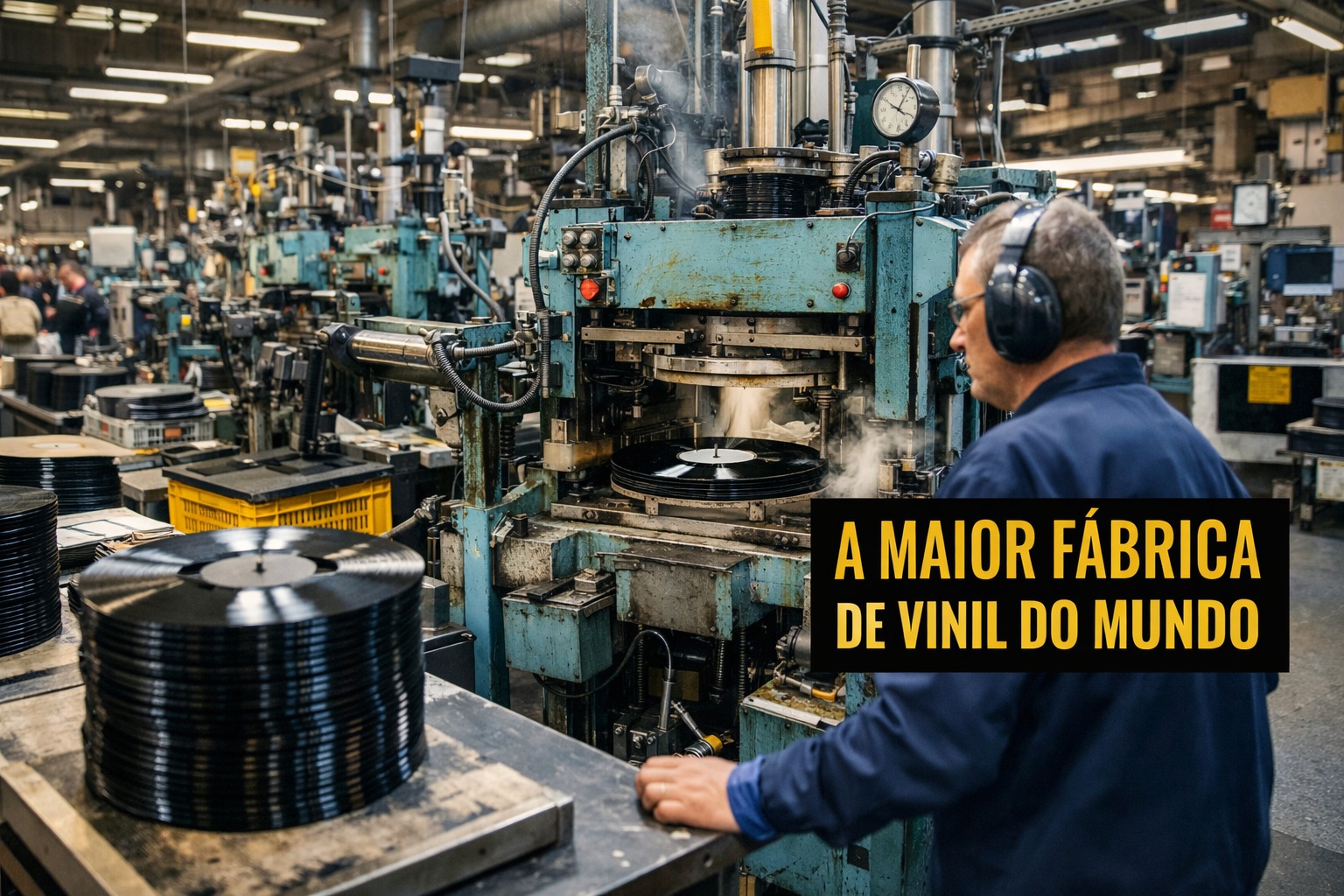
Operating 24 Hours in the Czech Republic, GZ Media Combines Historic Machines, Modern Automation, and Pop Demand to Sustain Vinyl as the Definitive Physical Format in 2026
GZ Media, in the Czech Republic, keeps its operations active 24 hours a day to meet global demand, with an annual production of 70 million vinyl records. In 2026, the company combines historic heat presses with modern automation systems, a strategy that positions it as the absolute leader in the analog market worldwide.
The Resilience That Created a Vinyl Empire
The success of GZ Media is directly linked to a decision made in the 1990s, when CDs dominated music consumption.
Instead of discarding its machines, the company preserved equipment and technical knowledge. This choice allowed for a quick response to the resurgence of vinyl, driven by collectors and major pop artists who began releasing albums in this valued physical format.
-
There are only four days left until the Income Tax deadline, and the Federal Revenue Service is still awaiting over 13 million returns. Those who miss the 11:59 PM deadline on May 29 will incur a minimum fine of R$ 165.74 with no discount.

-
More than 220 Brazilian industries have already fled towards Paraguay and no one seems to be paying attention. The small neighbor is growing three times faster than Brazil and attracting billions in foreign investments while the South American giant remains stagnant.
-
Government prepares billion-dollar discount on electricity bills: Aneel will return R$ 5.5 billion to consumers in the North, Northeast, Mato Grosso, Minas Gerais, and Espírito Santo in the form of reduced energy tariffs.

-
Starting June 7, 27 European countries prohibit asking about previous salary in interviews, and Brazil has chosen a different path.





Even with the opening of new factories in the U.S., GZ Media remains the only one capable of delivering millions of copies of blockbuster albums simultaneously, something essential for large-scale global releases.
This capacity reinforces its strategic position in the market and sustains continuous demand in 2026.
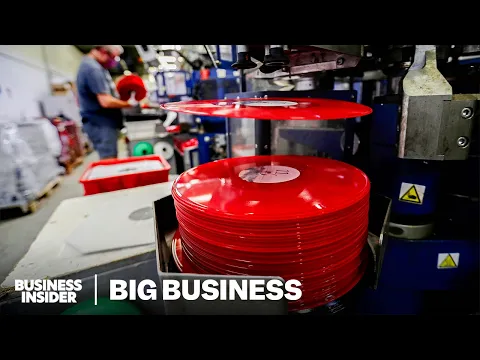

Technical Process: From Copper to PVC
The manufacturing process uses DMM technology – Direct Metal Mastering, in which the audio is recorded directly onto copper plates, ensuring greater sound fidelity.
Then, PVC granules are heated and pressed under tons of pressure, shaping the final LPs. The process combines industrial precision and artisanal tradition, the foundation of the factory’s identity.
The company has also modernized its facilities to reduce its carbon footprint, demonstrating that the analog industry can evolve without sacrificing environmental responsibility, even in large-scale production.
The Role of Pop and Record Store Day
The vinyl renaissance in 2026 is supported by luxury editions from artists like Taylor Swift and the strength of Record Store Day.
The record has come to be seen as a physical art object in a streaming-dominated landscape, enhancing its symbolic and commercial value.
To visually understand this process, the Business Insider channel, with over 9 million subscribers, presents a video on how a factory in the Czech Republic became the largest in the world, producing 70 million records a year.
In Brazil, initiatives like Polysom and Vinil Brasil follow this movement, catering to an audience that keeps the vinyl culture alive.
The world’s largest vinyl factory shows that when old technology is preserved, it can transform into a future reference in the luxury music market.
With information from BMC News.









Be the first to react!