






 Portuguese
  Spanish
  3 min of reading
  0 comments


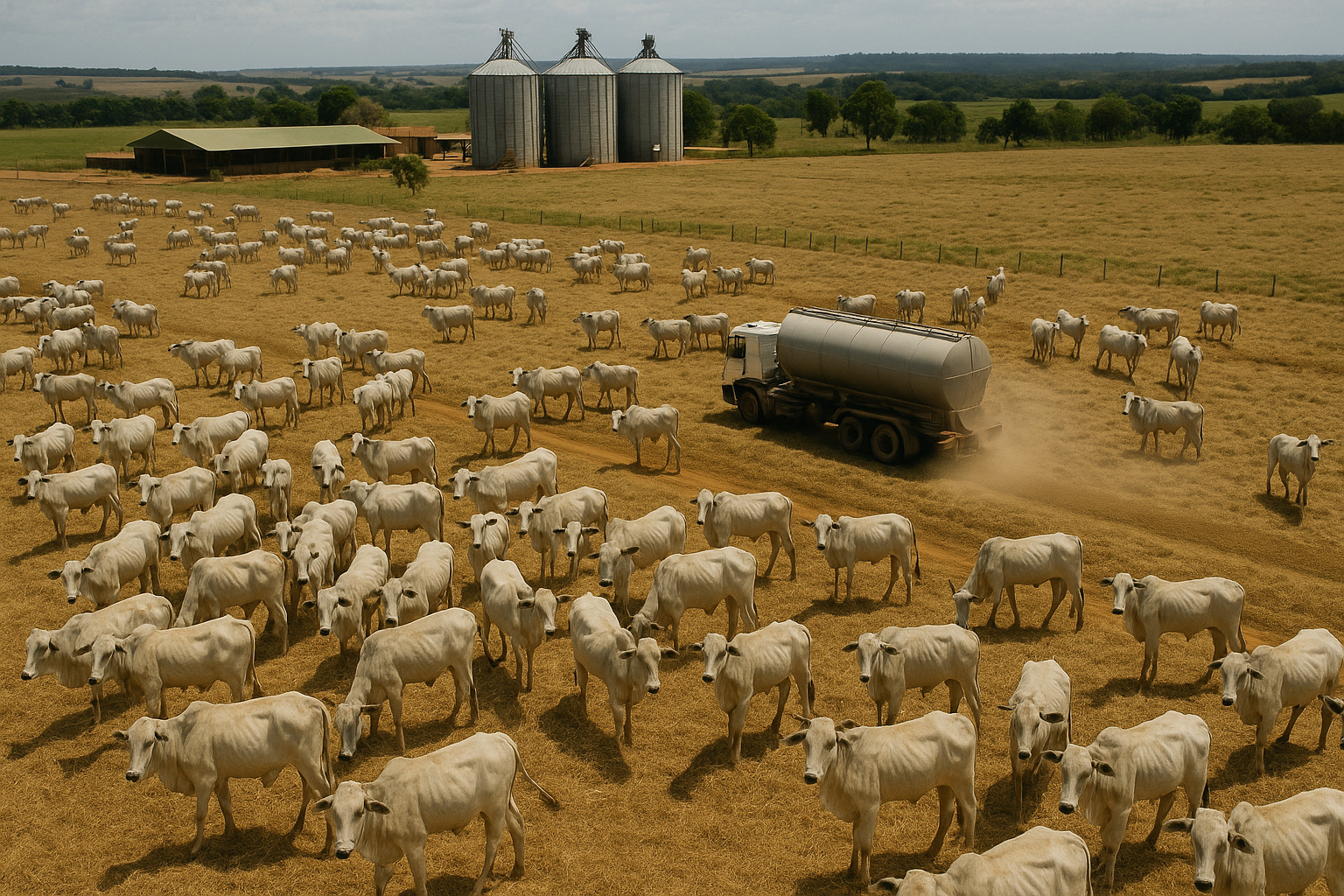
Largest Full-Cycle Farm in Brazil Maintains Herd of 120 Thousand Heads with Supplementation, Logistics, and Cutting-Edge Technology Strategies to Face Dry Periods with Efficiency and Sustainability
The Nova Piratininga Farm, located between Goiás and Tocantins, has become a reference in national cattle ranching by managing a herd of 120 thousand heads of cattle amid drought. With over 202 thousand hectares of area, the property is considered the largest full-cycle farm in Brazil. The challenge of maintaining production during the dry season requires strict planning involving nutrition, logistics, and integration with agriculture.
The program Giro do Boi hosted veterinarian Pedro Vinicius Souza Alves, livestock manager of the farm, who explained how the operation ensures that each animal is fed even when the pasture loses vigor. The strategy, according to him, is based on advanced supplementation planning, silage, and hay, always focusing on the rational use of pasture as the main resource.


Nutritional Planning Ensures Efficiency
The supplementation cycle is organized before the beginning of the harvest year, which runs from September to August. The annual budget defines the volume of silage, hay, and feed that will be produced. The categories of animals receive different supplements: lighter heifers receive feed equivalent to 0.5% of their live weight, while heavier ones receive 0.3%. Those reaching the ideal weight for the breeding season receive only mineral salt with urea during the dry season.
-
Low-Demand Brazilian Beef Offal Gains Popularity Abroad: Indonesia Purchases $19.5 Million, Boosting Revenue and Reducing Waste

-
Soy Expansion in Former Brazilian Savanna Sparks Water and Land Conflicts in Major Agricultural Frontier
-
Mexican Pest Threatens U.S. Cattle Herds at Historic Lows, Potentially Boosting Brazilian Beef Exports as Burger Prices Soar

-
Avocado Boom for European and U.S. Markets Fuels Water Crisis in Drought-Stricken Chilean Region


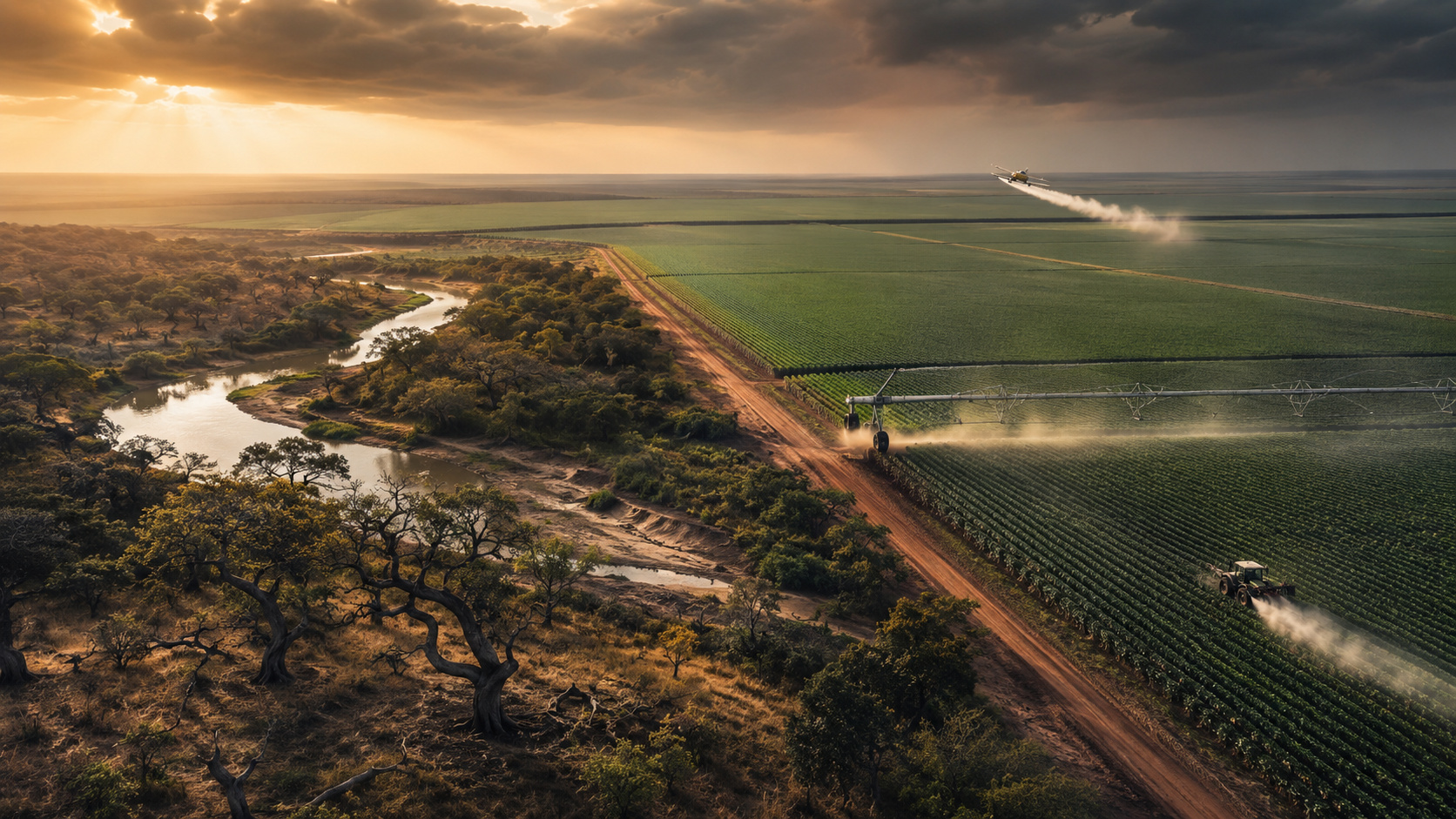


The property is divided into areas with specific forage plants, such as humidicola in low-lying regions and andropogon and massai in high areas. This division increases soil utilization efficiency and improves animal performance. According to Pedro Alves, “the supplement is always a complement, pasture remains the foundation of the operation.”
Integrated Technology and Logistics
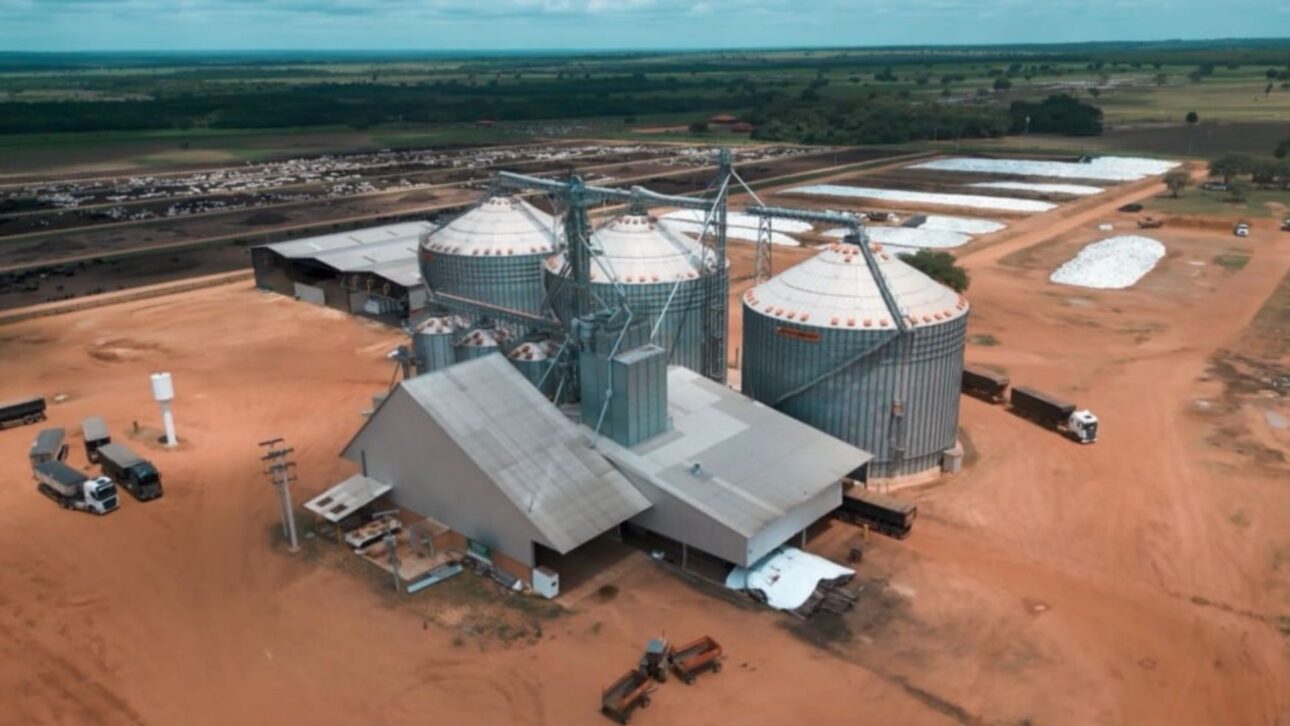
Maintaining 1,200 pastures supplied requires complex logistics. For this, Nova Piratininga uses automated trucks that distribute the supplement in daily routines, similar to confinement practices. Mineral salt, in turn, is offered every two days.
The farm also operates a static confinement of 18 thousand heads and a semi-confinement area, which allows for intensive raising of calves and finishing cull cows, increasing meat production efficiency. In addition, 13 thousand hectares are dedicated to agriculture, ensuring self-sufficiency in the production of grains and roughages for animal feed.
The information was released by Canal Rural, which also highlighted the farm’s participation in quality protocols, such as 1953, aimed at certifying the delivery of carcasses within industry standards required by the meatpacking industry.
Sustainability and Animal Welfare
The success of Nova Piratininga is also linked to sustainable practices and a focus on welfare. According to the managers, the 420 employees of the farm work aligned with principles of conscious management, valuing both the animals and the team.
Among the Highlighted Practices Are:
- Animal Welfare: management protocols that reduce stress during stages such as weaning.
- Sustainability: crop-livestock integration with the production of silage and hay to reduce environmental impacts.
- Recycling: empty cows are finished in semi-confinement, ensuring economic and environmental benefits.
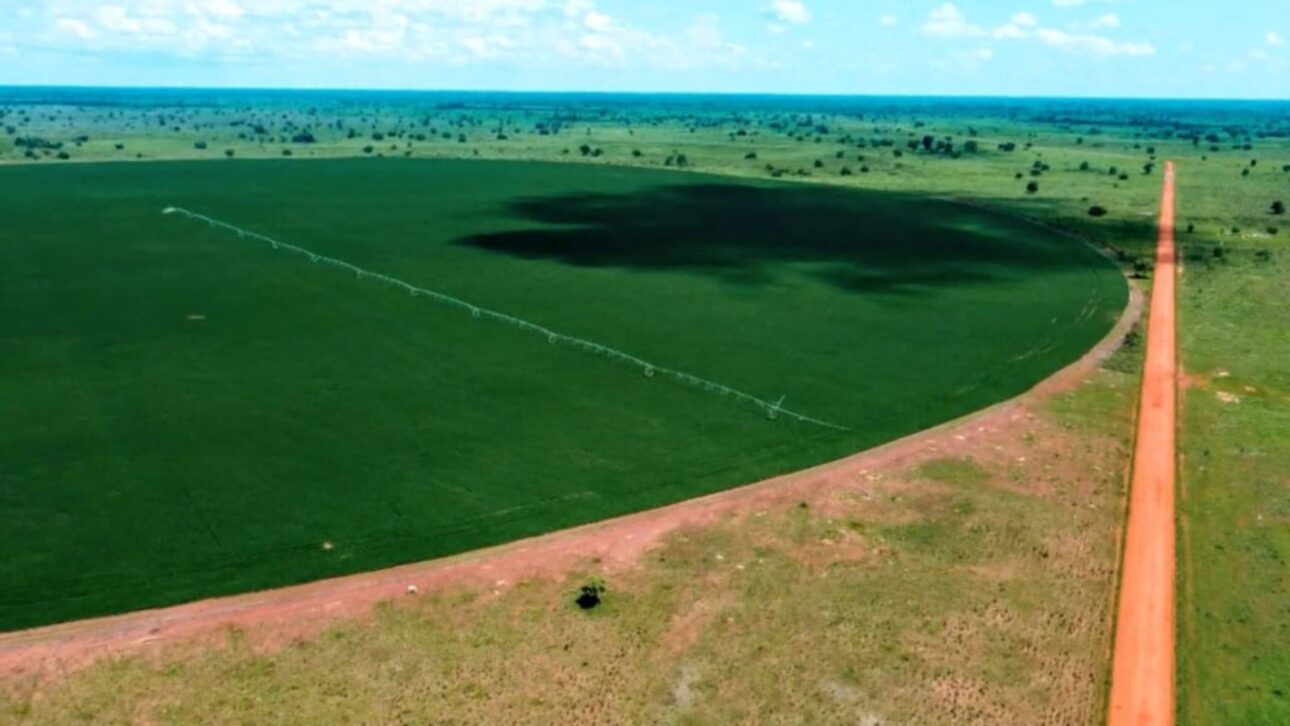
These measures make production more predictable and reduce costs, especially during critical drought periods. Irrigation with center pivots also reinforces the agricultural self-sufficiency of the property.
National Reference Production
With operations concentrated in Goiás and Tocantins, Nova Piratininga sends males for slaughter in Mozarlândia and females to Goiânia, ensuring a constant supply of meat to the market. The property is recognized for its ability to maintain high productivity standards even under adverse climatic conditions, a direct result of planned management and the use of technologies adapted to the Brazilian reality.
The case of Nova Piratininga highlights how large-scale cattle ranching in the country can modernize without losing efficiency. The combination of budget planning, agricultural integration, and management technologies shows that it is possible to face the challenges of drought with well-structured strategies and a focus on results.





-

-

-

7 people reacted to this.