






 Portuguese
  Spanish


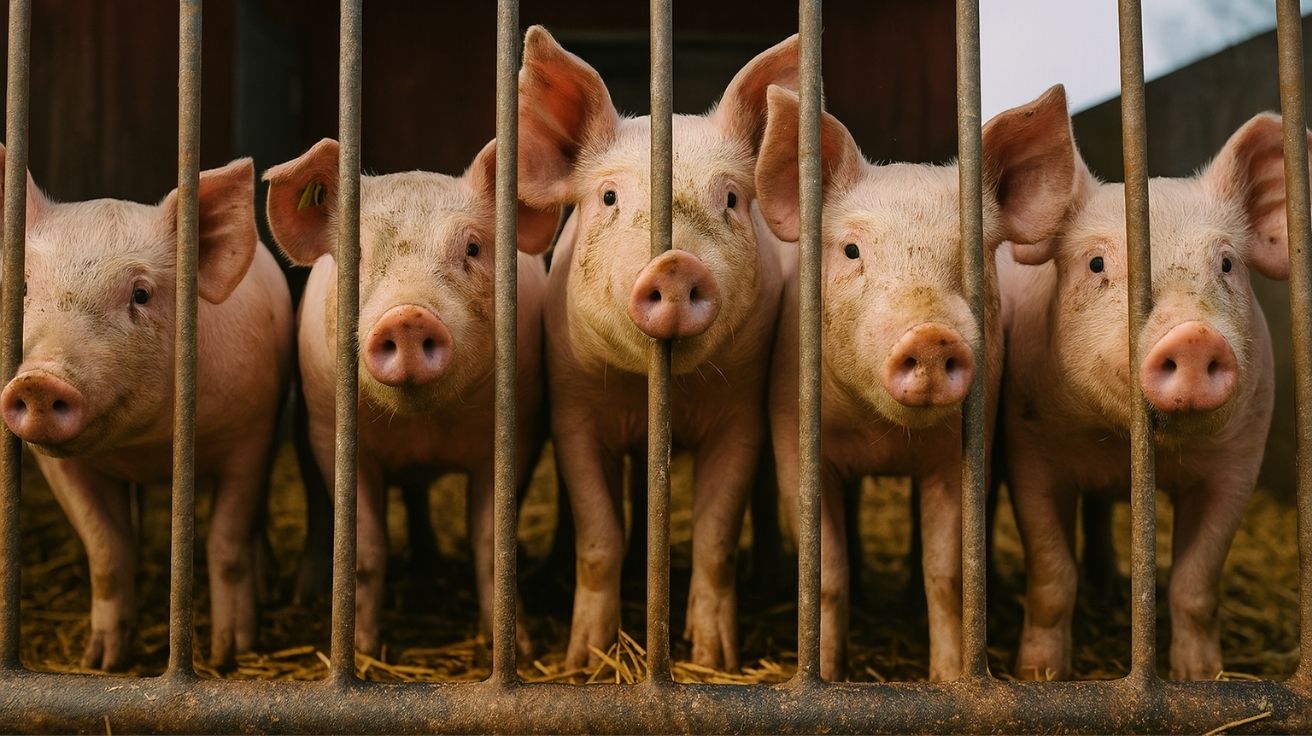

With Mega Vertical Complexes of Up to 13 Floors, the Asian Country Leads Global Pork Production and Maintains Strategic Reserves to Control Prices and Ensure the Supply of the Most Consumed Protein Among Its 1.4 Billion Inhabitants
China concentrates the largest pork population on the planet, with over 310 million pigs raised annually in highly advanced rural production systems. This number represents more than a third of the global herd and supports approximately 50% of global pork consumption. To meet this growing demand, the country has implemented a robust and modern structure in agribusiness, based on verticalized industrial complexes, with up to 13 floors dedicated exclusively to pig farming, known as “pig hotels”.
These vertical pig farms were designed to contain disease outbreaks like African swine fever, which severely affected production between 2018 and 2019. Equipped with cutting-edge agricultural technology, the units have climate control systems, automated feeding belts, waste management, and strict biosecurity protocols, similar to those used in laboratories.
In addition to focusing on animal health, the farms prioritize productive efficiency and industrial scale, essential aspects within modern intensive agriculture. According to data from the Chinese government, about 60% of all meat consumed in the country is pork, reinforcing the strategic role of pig farming in the agribusiness chain and in rural food security policies.
-
Brazilian Agribusiness Sets Record with $169 Billion in Exports in 2025

-
Solar-powered irrigation transforms agriculture, boosts family income, and enhances food security in Uganda.

-
Brazil Supplies 70% of the World’s Orange Juice, Prices Double Due to Pest Outbreak

-
Brazilian Scientists Develop World’s First Tropical Wheat for Biscuit Production, Yielding Up to 150 Bags per Hectare and Highly Resistant to Common Crop Disease




Strategic Reserves and Price Control
The Chinese production model goes beyond breeding. Since 2007, the country has maintained a strategic reserve of pork. This measure serves to prevent drastic fluctuations in food prices, ensuring stability for both consumers and producers.
In periods of rising prices, the government releases tons of stored meat into the market to curb inflation. In times of sharp decline, the State purchases live animals or processed meat to sustain the minimum market value, protecting the profitability of pig farms and preventing bankruptcies in the sector.
This strategy reinforces the role of pork as an essential input in national food security. Thus, the Chinese government can intervene quickly, ensuring a continuous supply in supermarkets and markets, especially during holiday seasons.
Technological Advances and Environmental Challenges
With the industrialization of production, the engineering of automated farms has become a competitive differential. These mega-complexes can operate with high animal density per square meter and use sensors to monitor temperature, humidity, pig growth, and even health indicators in real time.
However, the rapid growth of pig farming has also brought environmental challenges. Emissions of gases such as methane, ammonia, and hydrogen sulfide have increased in regions with the highest concentration of farms. These compounds are generated from accumulated manure and can impact soil, groundwater, and air quality in nearby communities.
According to scientific studies, exposure to these gases can cause nausea, eye irritation, and respiratory diseases for both farm workers and residents in the vicinity. Nevertheless, the lack of regulation in some countries complicates control and monitoring of these impacts.
The Use of Antibiotics and the Risk of Bacterial Resistance
Another sensitive point in the Chinese and global industrial system is the use of medications to accelerate pig growth. Substances such as ractopamine are still used in some nations to promote greater muscle mass and lower fat content, although they are banned in the European Union, China, and Russia.
Cases such as the discovery of the antibiotic-resistant bacteria colistin on a pig farm in Shanghai in 2013 alerted the world to the risks of indiscriminate use of antimicrobials. Since then, China has adopted stricter regulations to restrict these compounds and prevent the emergence of superbugs.
The country has also intensified investments in genetic research and animal nutrition, seeking ways to maintain productivity without compromising public health or the quality of the final product.


