






 Portuguese
  Spanish


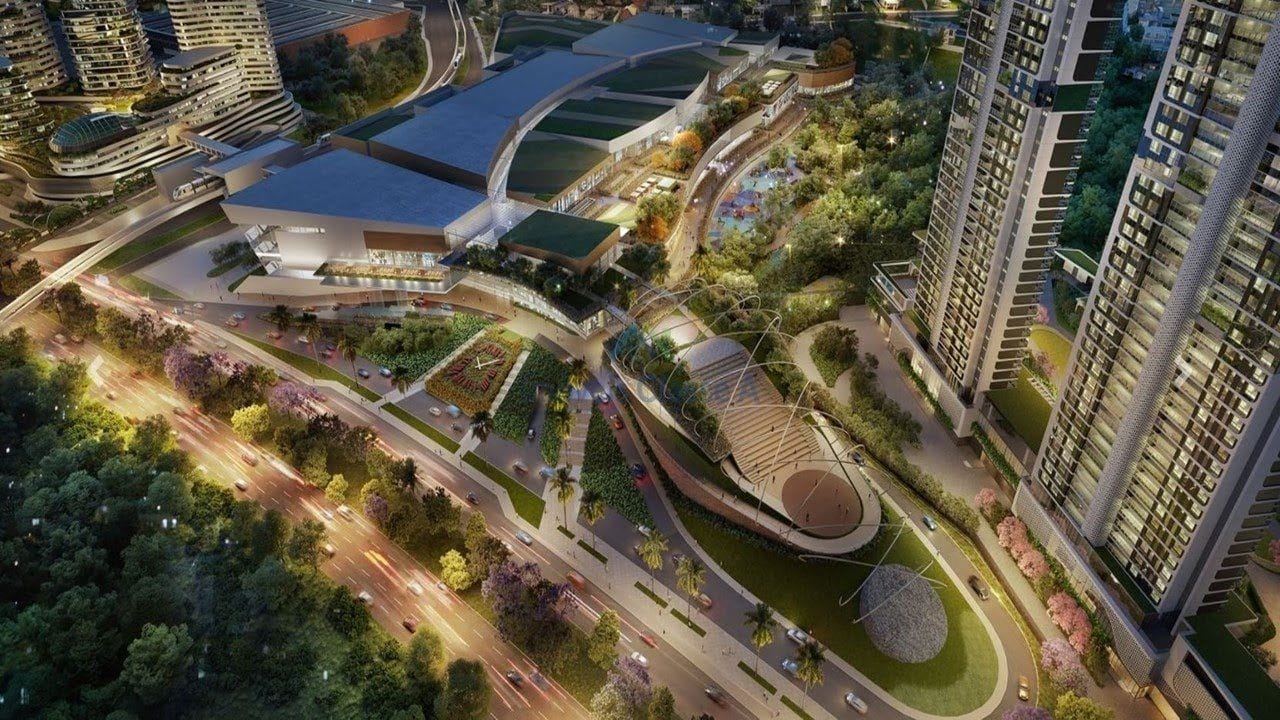


Megaprojects: The Giants of Construction Transform São Paulo into a Construction Site of Innovations
São Paulo, the beating heart of Brazil when it comes to innovation and development, is experiencing an era of transformation with the construction of megaprojects that promise to redefine the city’s skyline and significantly improve the quality of life for its residents. Among technologically advanced skyscrapers and urban revitalization projects, the metropolis prepares to embrace the future with open arms.
Construction of Metro Line 6-Orange


One of the most anticipated megaprojects is the Line 6-Orange of the Metro, affectionately nicknamed “the university line.” With a partial inauguration expected in 2026, this R$ 18 billion project spans 15.3 km, connecting Vila Brasilândia to São Joaquim in São Paulo, and promises to be the backbone of transportation in the region, reducing travel time from 90 to just 23 minutes. The “tatuzão”, the machine responsible for digging the tunnels, has already completed 49% of the route, promising to revolutionize urban mobility with an estimated 630,000 daily passengers.
Pinheiros River
The project to clean up the Pinheiros River is a breath of hope for the city. With over R$ 1 billion invested, the project aims not only to clean the river’s waters but also to improve the surrounding area by adding bike lanes and leisure areas. More than 90,000 tons of waste have been removed and the water from 500,000 residences has been treated, marking a significant advance in the battle against pollution.
-
They exchanged the idea of a large house for a 35 m² warehouse, spent US$ 12,000 on the structure, and created a tiny house in Colorado with space to live and work.

-
A newly opened terminal in the middle of the Amazon has begun transporting soy and corn through Amapá, eyeing the queue of ships that is congesting the ports in the South.

-
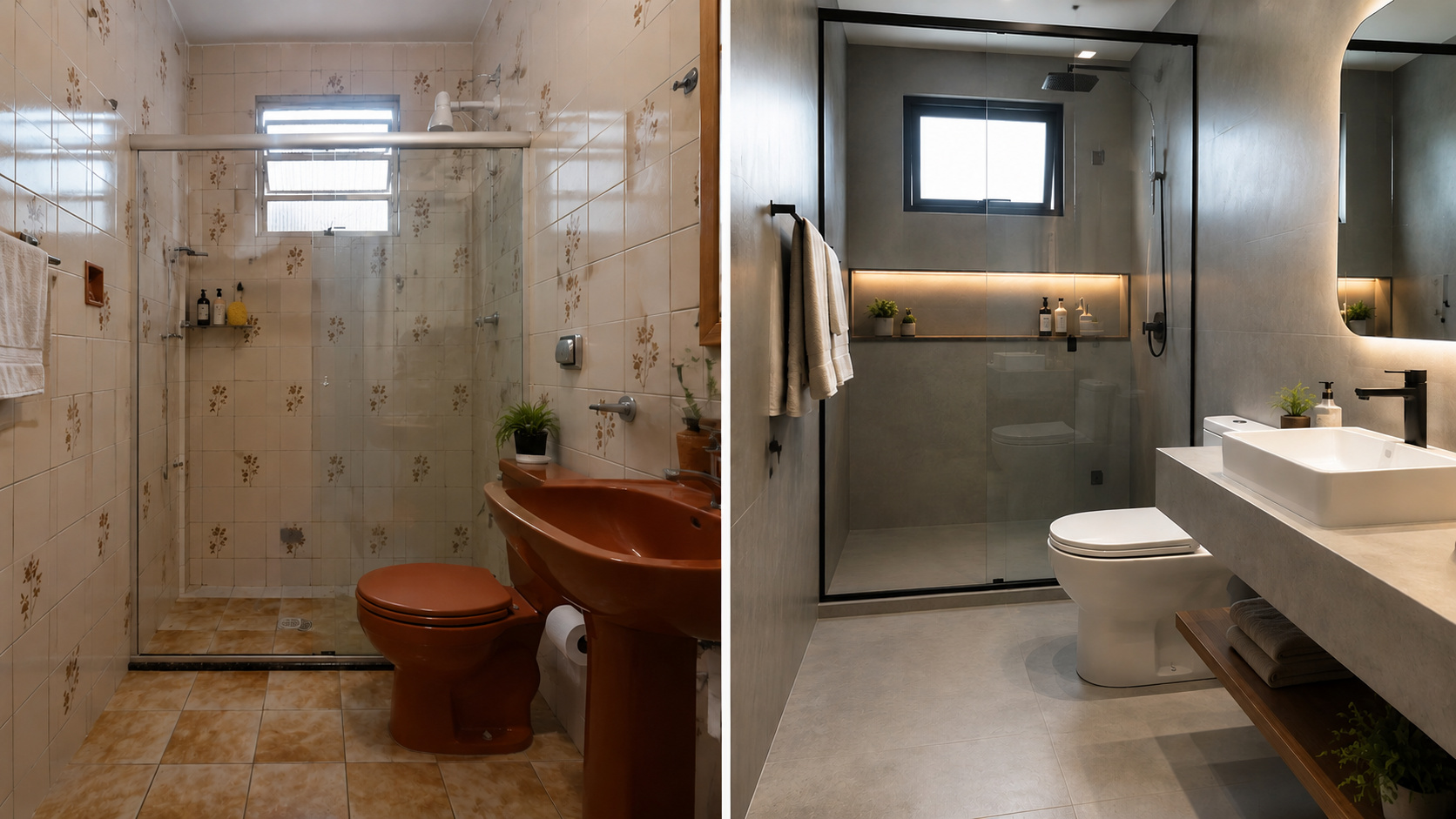
Goodbye to old tiles: renovation technique without construction transforms bathrooms in a few hours, eliminates debris, and reduces costs with coverings using special paints, high-resistance adhesives, and modern finishes that completely renew the space.
-
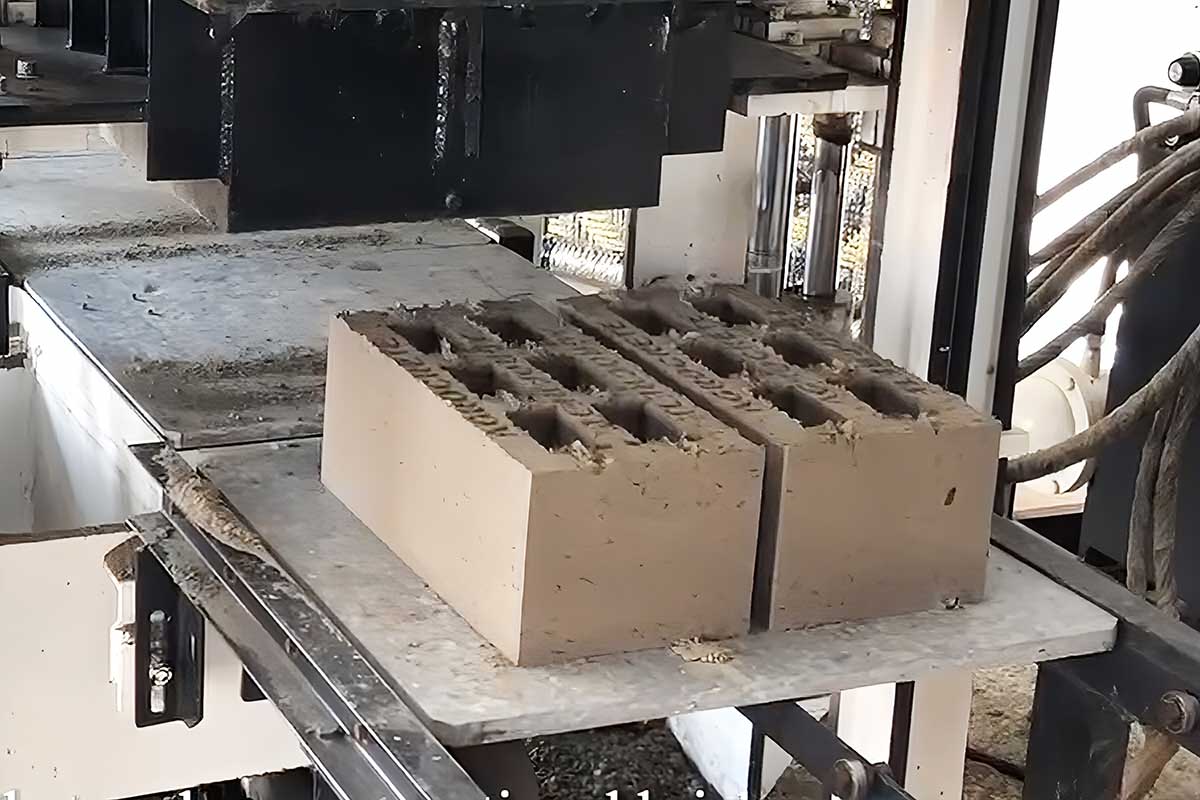
Goodbye to the traditional clay brick: Indian startup transforms burnt straw into a carbon-negative brick that costs half, insulates better, and even removes CO2 from the air.


Global Park
In the Morumbi neighborhood of São Paulo, Global Park emerges as a futuristic vision. The construction of this R$ 11.5 billion megaproject promises five residential skyscrapers, a shopping mall, a university, and a hospital, completely transforming the local landscape. With the future Panamby Metro Station as part of the complex, the project will not only elevate the standard of living in the region but also provide a vital connection for the residents of Paraisópolis.
Alto das Nações
Alto das Nações is another megaproject that draws attention in the south zone, with a 219-meter tower under construction. This mixed-use complex will not only offer a spectacular viewpoint but also a park dedicated to the preservation of the Atlantic Forest. With an investment of R$ 3 billion, the project aims to attract over 13,000 people daily, offering a mix of residences, businesses, and leisure areas.
North Rodoanel
The resumption of construction on the northern stretch of the Mário Covas Rodoanel in São Paulo, after years of stagnation, is a milestone in the history of São Paulo’s infrastructure. With an investment of R$ 3.4 billion, this project aims to complete the last piece of the ring road that encircles the metropolis, promising to ease traffic congestion and improve logistics in the region.
A Promising Future for Megaprojects Under Construction
These megaprojects, which will shape the future of São Paulo, are more than just simple infrastructure works; they are a testament to the city’s commitment to innovation, sustainability, and improving quality of life. As the residents of São Paulo watch their urban landscapes transform, there is an optimism in the air about what these changes will bring to Brazil’s largest city. São Paulo is undoubtedly on its way to becoming an even more vibrant and welcoming metropolis with this construction.


