Portuguese
  Spanish


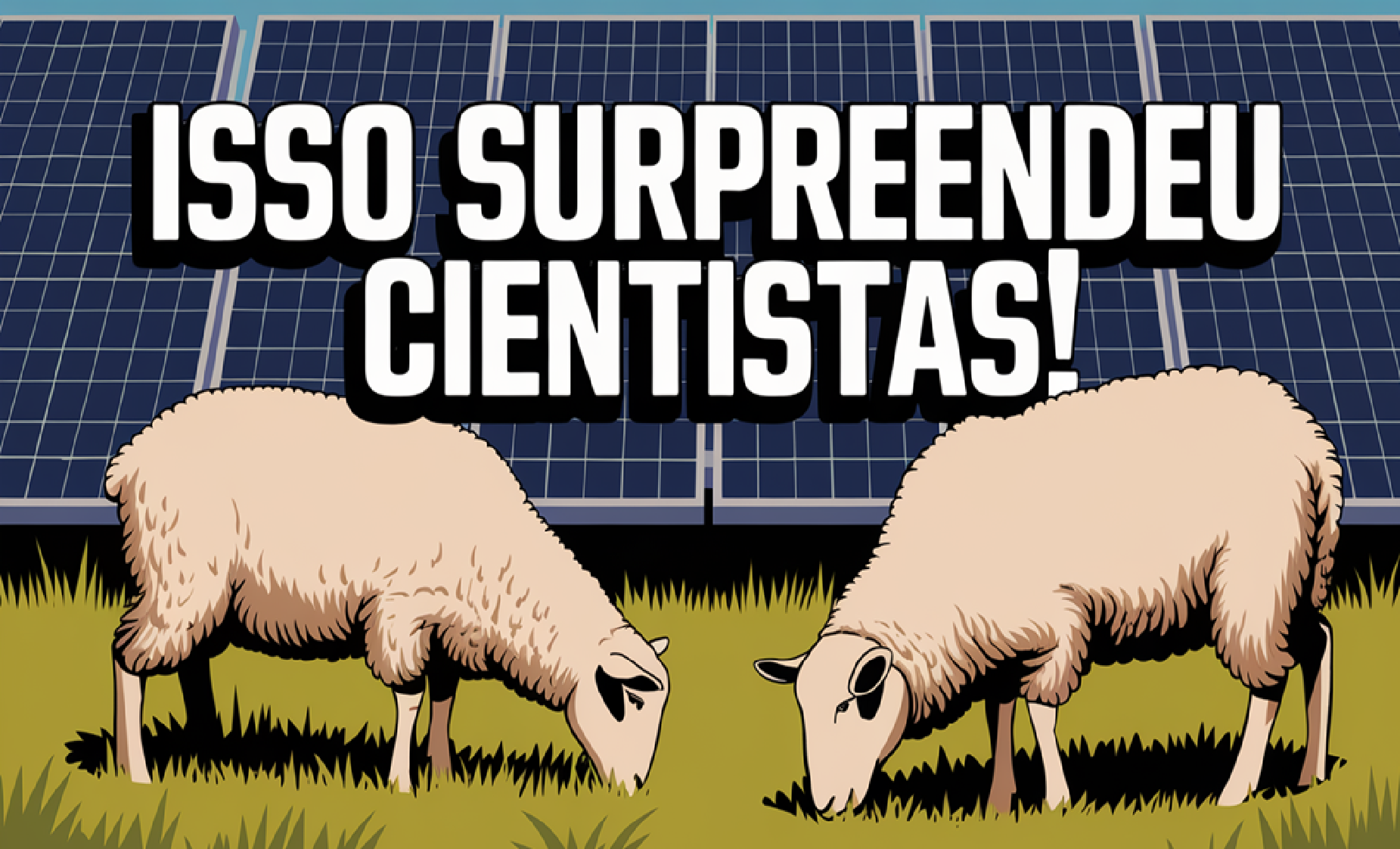


Study Reveals Sheep Grazing Between Solar Panels Improves Wool Quality and Benefits the Environment
An innovative study conducted in Australia revealed a surprising: 1,700 Merino sheep grazing between solar panels not only helped to keep the clean energy facilities, but also produced higher quality wool. The unexpected result reinforces the idea that agrovoltaics – the shared use of land for agriculture and solar energy generation – may be a promising path for a sustainable future, according to BR.ign.
How Did the Experiment Work?
The research was conducted at the Wellington Solar Farm, in New South Wales, by the company Lightsourcebp, in partnership with EMM Consulting and Elders Rural Services. Over three years, scientists divided the sheep into two groups:
✅ Group 1: Sheep grazing in traditional pastures.
✅ Group 2: Sheep grazing between the solar panels.
-
Stand-Up Paddle Outing Turns Dangerous as Man Steps on UK’s Only Venomous Snake, Ends Up Hospitalized with Severely Swollen Leg

-
Europe Sizzles: Intense Heatwave Disrupts Daily Life, Closes Schools, Strains Power Grids, and Raises Concerns Over Potential Deaths
-
Ohio Carpenter Finds 308-Gram Meteorite the Size of a Baseball After Dreaming of Its Location
-
Chinese Humanoid Robots Transition from Labs to Real Factories to Assemble Tablets: AgiBot Deploys G2 Machines at Longcheer, Aiming for 100 Robots in Electronics, Cars, Chips, and Energy by 2026




The researchers analyzed wool growth, fiber strength, and animal weight to compare the impacts of the grazing environment.
The Results Were Impressive!
Higher Quality Wool: The sheep grazing under the solar panels had stronger and more homogeneous fibers, indicating an improvement in wool quality.
️ More Moderate Temperatures: The shade created by the solar panels provided a more comfortable environment for the animals, reducing thermal stress.
Reduced Maintenance Costs: The grazing helped to keep the grass under control, preventing excessive growth and reducing the need for manual mowing.
Double Sustainability: The land was used for two simultaneous purposes – agricultural production and renewable energy generation, maximizing its utilization.
Experts Emphasize the Potential of Agrovoltaics
Brendan Clarke from Lightsourcebp highlighted the importance of the discovery for a more sustainable future:
“The promising results of this study show that we are on the right track. Integrating livestock with solar parks brings benefits to the environment and rural economy.”
The practice of agrovoltaics is already being recognized internationally. In Germany, for example, the Bavarian State Department of Agriculture published guidelines on this technique in 2023, encouraging its adoption.