Portuguese
  Spanish


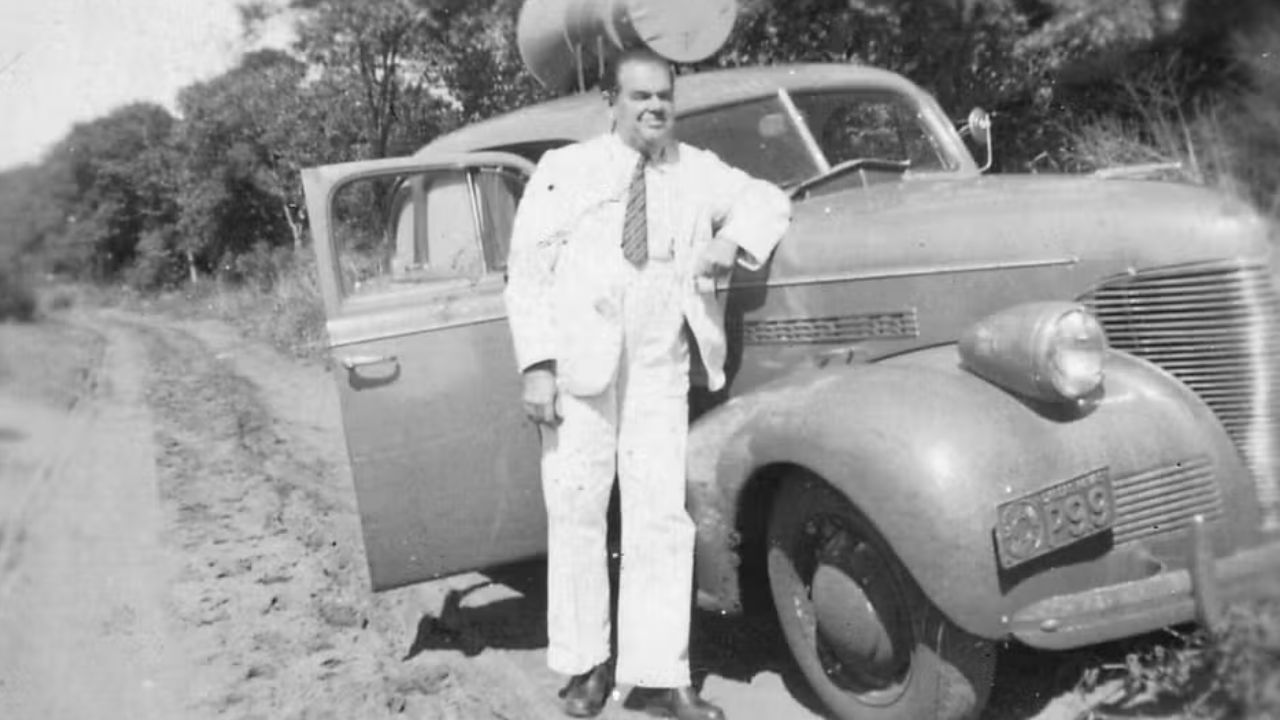

Discover How Cornélio Pires, The Father of Sertanejo, Brought Caipira Music From The Countryside To The Studios And Created A Music Market That Transformed Brazilian Rural Culture.
Cornélio Pires, recognized as the father of sertanejo, was the man who transformed the music of the Brazilian countryside into a cultural and commercial phenomenon. A journalist, writer, and folklorist, he realized that the music from the countryside had historical and economic value, even when the big cities ignored it.
In a time when samba, choro, and waltzes dominated radios and gramophones, Cornélio believed that life in rural São Paulo, Minas Gerais, and other regions held a cultural treasure that needed to be recorded and shared.
Father of Sertanejo: The Visionary Who Listened To The Countryside
Born in Tietê, São Paulo, in 1884, Cornélio Pires was an urban intellectual with a passion for rural life.
-
Teen Transforms Brazilian Dump Site into Playground, Wins $12.5K to Expand Project

-
Elderly Man Who Experienced Water Shortages in Childhood Dedicates Sundays to Free Plumbing Repairs, Highlighting Hidden Household Waste

-
AI is Transforming the Job Market, but Expert Highlights 5 Human Skills That Will Become More Valuable Over the Next Decade

-
Microgreens Gain Popularity in Healthy Diets, Showcasing How Small Indoor Gardens Can Transform Home Routines



He frequented cafés in São Paulo and built friendships with personalities like Monteiro Lobato and Tarsila do Amaral, but devoted himself to exploring popular culture.
On his travels through the countryside, he documented folklore, the caipira dialect, local stories, beliefs, and customs.
For Cornélio, the man from the countryside was not backward, as the urban elite thought, but the true guardian of Brazilian identity.
And music was the most authentic expression of this culture, even though it had until then been transmitted only orally.
Facing Urban Prejudice
When Cornélio Pires brought caipira artists to major record labels, he faced resistance.
Executives at the companies rejected the idea, claiming that urban audiences would not buy records featuring “capiau music.”
But Cornélio believed in the talent of these artists and the cultural strength of their music.
Without support, he made a bold decision: he financed the recording himself. He rented the Columbia studios in São Paulo, paid for the pressing of the records, and launched, in 1928, the “Série Caipira Cornélio Pires.”
The first record featured “Jorginho do Sertão” and “Desafio,” by the duo Mariano and Caçula, and was an immediate success, showing that both rural and urban audiences wanted to hear the music from the countryside.
Creating A Market And Valuing The Rural Artist
The success of the records produced by Cornélio Pires proved that there was a demand for caipira music.
He sold the records independently in rural stores and even at circuses, and soon the record labels that had previously rejected him began to compete for his catalog.
More than commercial success, Cornélio brought dignity to rural artists.
By placing rural music on the same standard as urban records, he transformed the “capiau” into a recognized artist and paved the way for future generations of sertanejo musicians.
Cornélio Pires did not only record songs. He documented stories, jokes, poems, and fragments of folklore.
This approach created a true time capsule of sound, preserving dialects, customs, and traditions of the Brazilian countryside for future generations.
His work made him not only the father of sertanejo but also a cultural preservationist.
From Traditional Sertanejo To Modern Agronejo
Today, sertanejo is the most popular genre in Brazil and generates billions of reais annually. From festivals to events related to agribusiness, the musical style retains its rural roots.
Although guitars, drums, and urban themes have been incorporated, it all started with Cornélio Pires, the father of sertanejo, who transformed the simplicity of rural life into music and made the entire country aware of the poetry of the countryside.
Legacy of The Father of Sertanejo
The impact of Cornélio Pires goes far beyond music. He created the caipira music market, valued the rural artist, and preserved cultural traditions that could have been forgotten.
Without his initiative, modern sertanejo, the legendary duos, and agronejo would hardly have consolidated.
The father of sertanejo remains a symbol of the courage and sensitivity that transformed rural culture into a national heritage.
With information from Compre Rural.