






 Portuguese
  Spanish


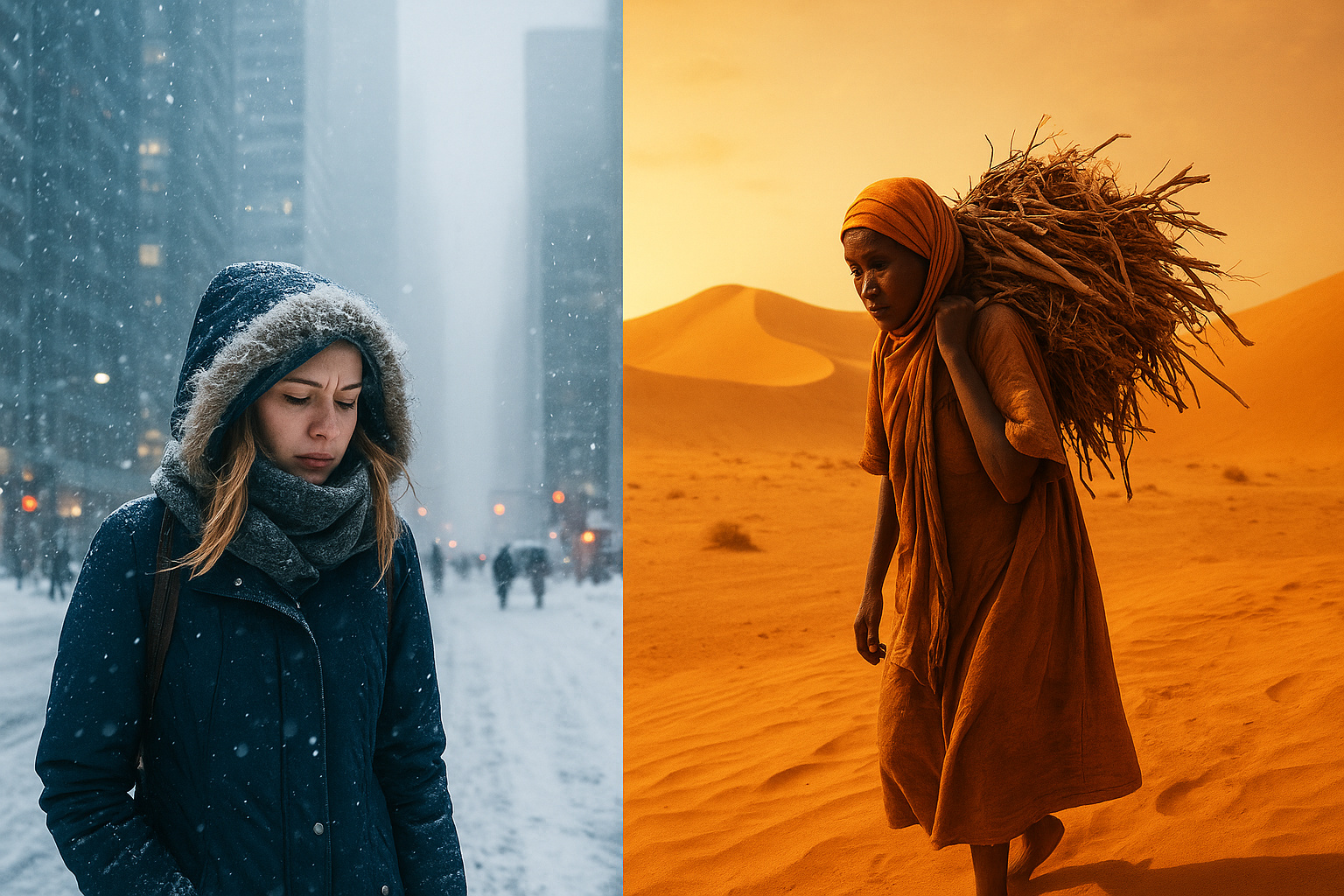


Does Climate Influence Development? Discover Facts and Data About How Temperature, HDI, and Economy Connect Around the World.
Do Cold Countries Really Have Higher Development? Understand the Debate
The relationship between climate, economy, and human development has sparked curiosity for centuries. The theory that cold countries would be more productive and wealthy gained traction as early as the 18th century, but the topic remains relevant today.
Recent analyses of developed countries and their HDI (Human Development Index) have reignited the discussion. After all, does cold weather truly benefit the economy—or are there other factors behind this global disparity?
From Montesquieu to Today: How Climate Entered the Economic Debate
The idea is not new. In the classic The Spirit of the Laws (1748), French philosopher Montesquieu argued that people in cold regions would be “stronger and more disciplined” due to adverse conditions. According to him, cold air increased vitality and stimulated work, while warmth brought “laziness and easy pleasure.”
-
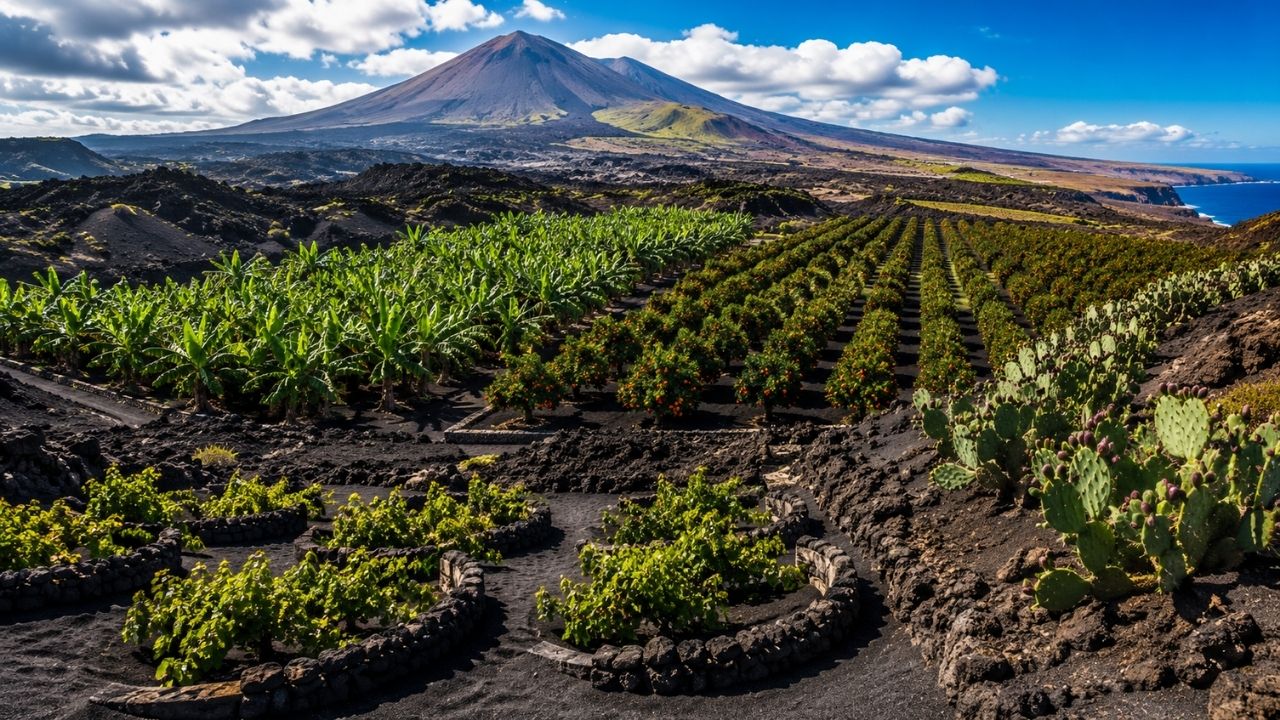
Volcanic Soils from Destructive Eruptions Turn into Million-Dollar Crops: Ashes Nourish Grapes in Lanzarote, Bananas in the Canary Islands, Blood Oranges on Mount Etna, and Cacti in Mexico, Showcasing How Lava-Formed Lands Sustain Rare Harvests in Seemingly Barren Regions

-
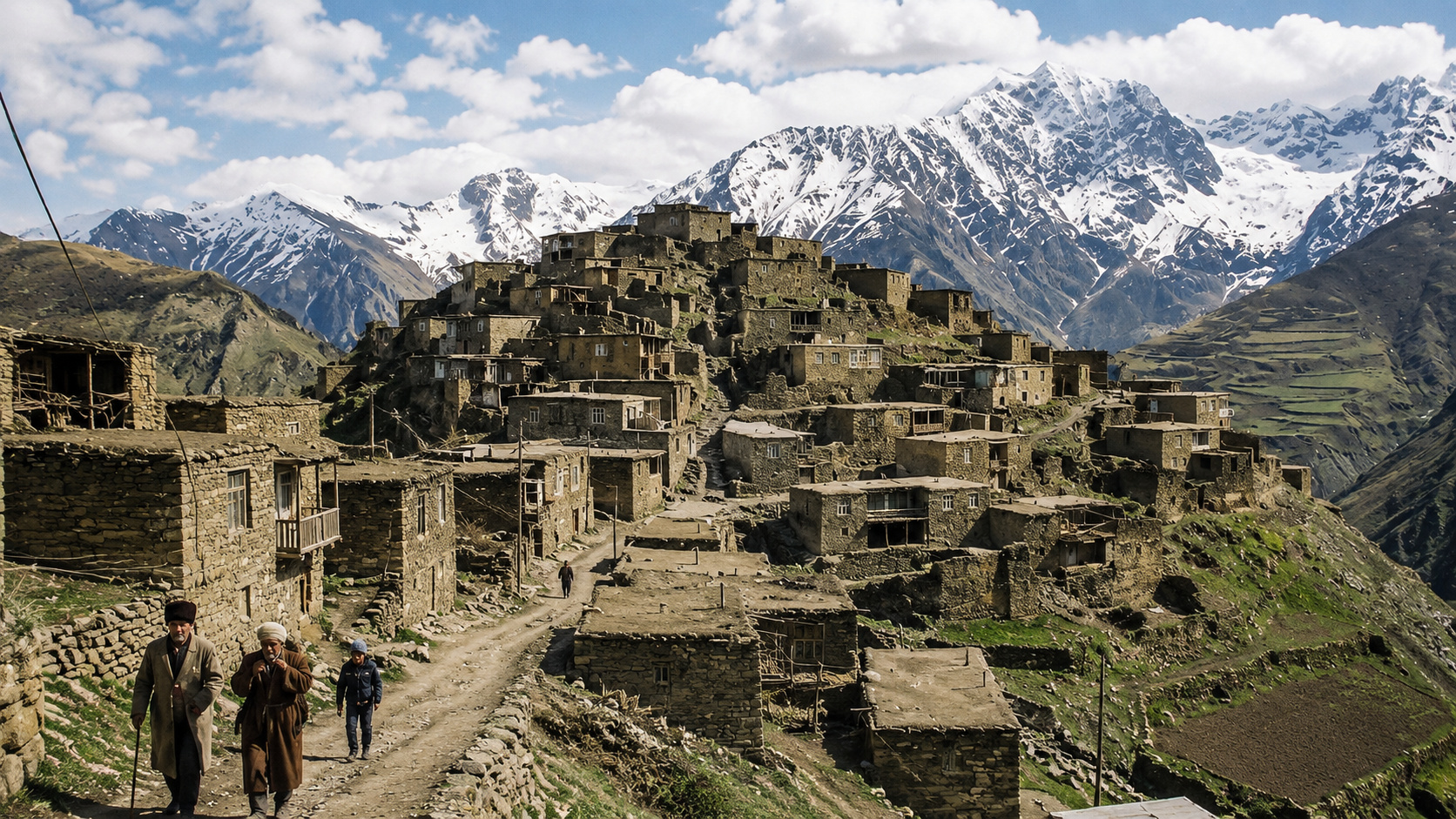
In the Caucasus Mountains, a Community Preserves a Language So Rare Few Outsiders Can Understand It

-
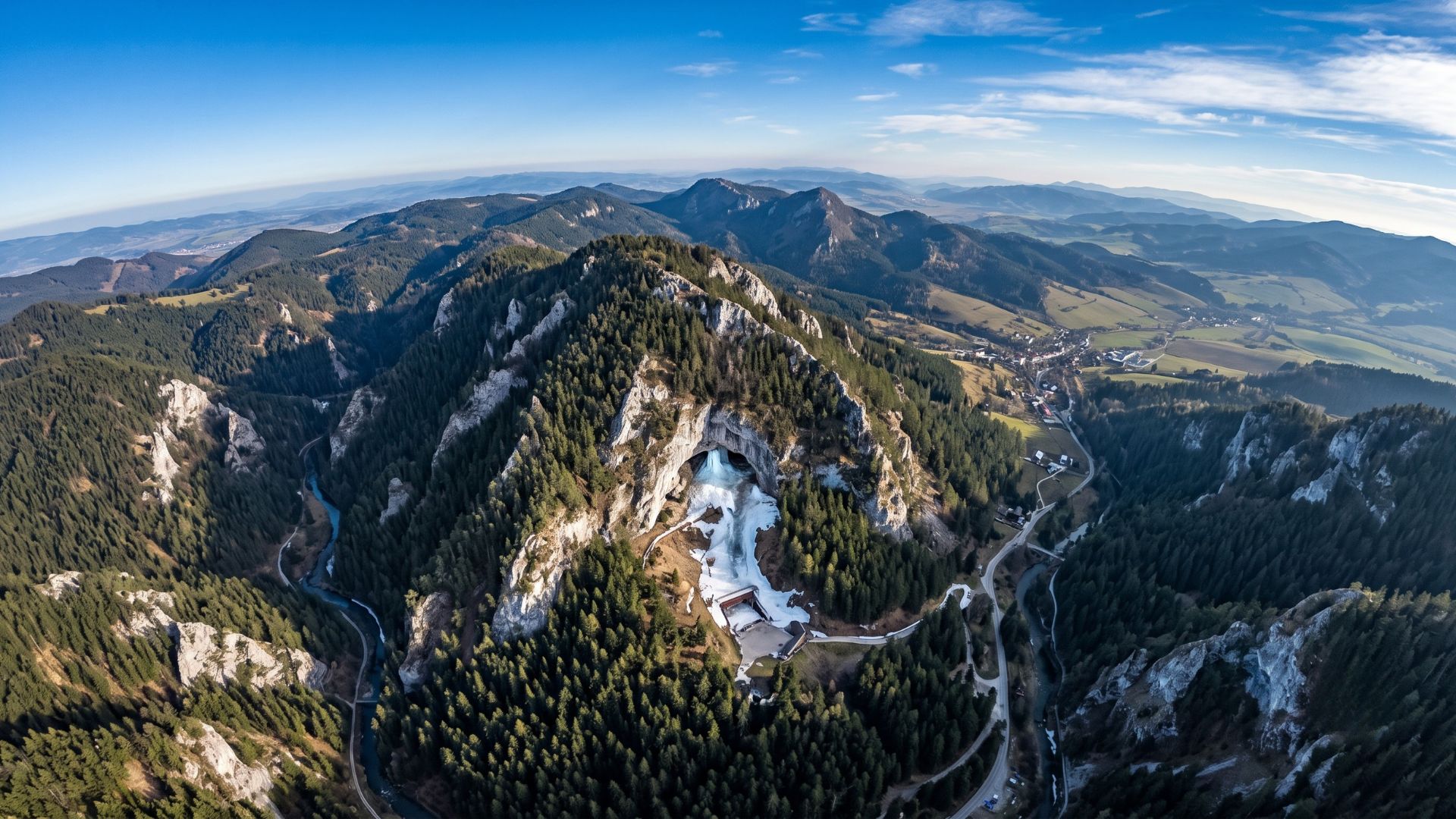
Slovakia’s Ice Cave Holds Over 110,000 m³ of Frozen Wonders, Boasts Walls Up to 27 Meters Thick, and Was Among the First Electrified Caves Globally

-
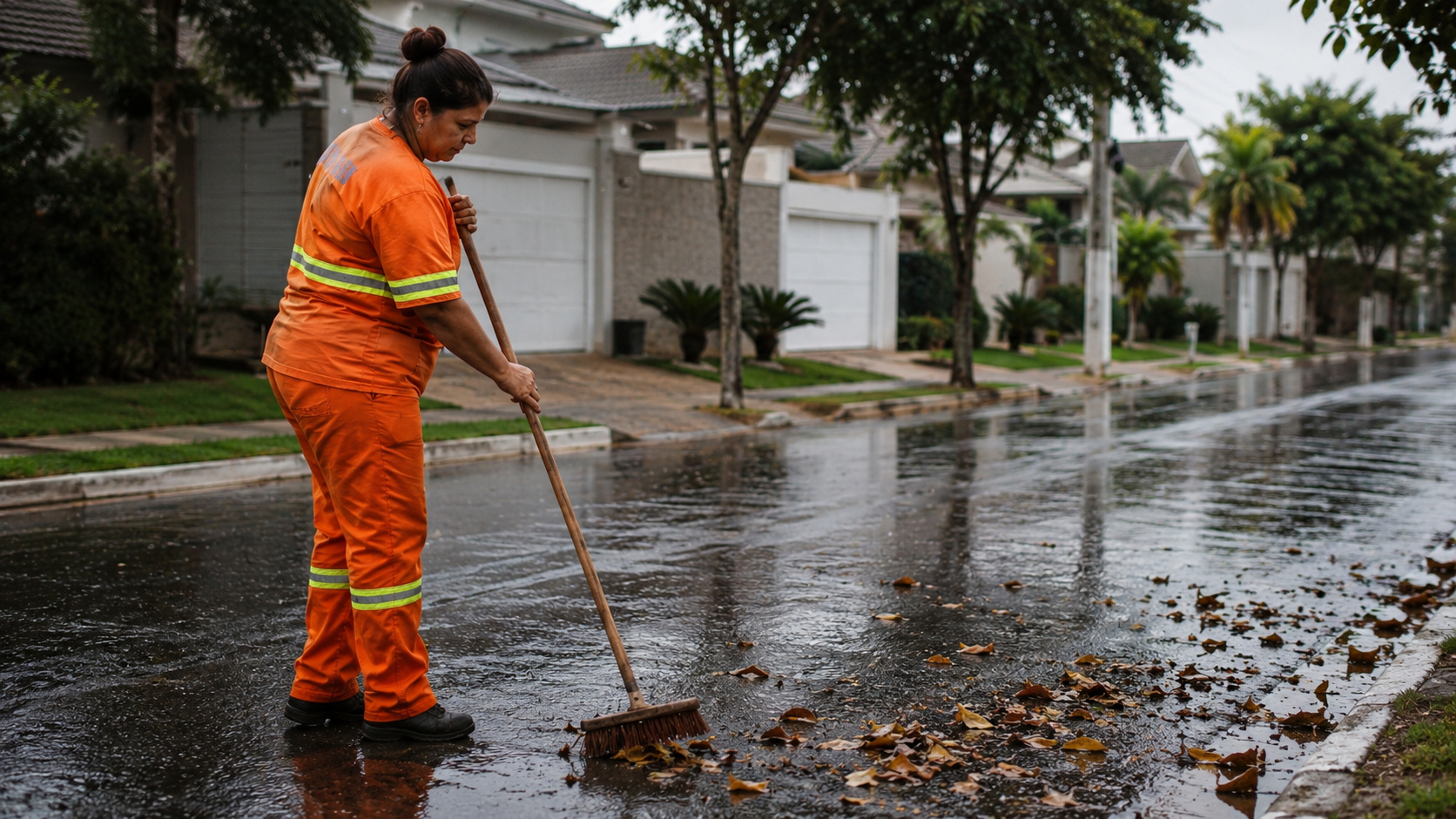
Street Cleaner Accidentally Receives $200,000 Transfer, Returns Unexpected Fortune to Rightful Owner
However, contemporary scholars emphasize that this view reflects the historical context of the time. Former Education Minister and philosopher Renato Janine Ribeiro, for instance, warns that the debate on climate and wealth needs to be approached with caution.
“Even so, there are interesting points, such as the fact that warm countries have historically shown more autocratic governments,” he notes.
Data Shows Correlation Between Climate and Wealth—But Doesn’t Explain Everything
Modern research confirms that there is indeed a correlation between climate and level of economic development. Economist Victor Rangel from Insper analyzed graphs relating GDP per capita and average temperature.
“There is a clear relationship: the warmer the country, the lower the productivity tends to be,” he explained.
Indeed, the numbers are striking. The GDP per capita of Norway, with an annual average of 16°C, is US$ 87.9 thousand, while in Spain, where the average exceeds 21°C, it drops to US$ 33.5 thousand. In Latin America, closer to the equator, the average value is only US$ 10.7 thousand.
Similarly, the HDI confirms this trend. Countries like Sweden (0.96) and United Kingdom (0.95) are among the most developed, while nations near the equator, such as Honduras (0.65) and India (0.69), show significantly lower indices.
Climate or History? Experts Advocate for a Deeper Analysis
Despite the data, economists caution: correlation does not imply causation. For Rangel, historical and social factors weigh much more than temperature.
“We cannot ignore the role of European colonization. Where colonizers settled, they created more inclusive institutions. Where they exploited, they left inequality and stagnation,” he explains.
Economist Silvia Matos of FGV-SP reinforces the argument. “What truly defines development is education and the ability to create democratic and innovative institutions,” she says.
Inclusive Institutions: The Secret of Strong Economies
Researchers such as Daron Acemoglu and James Robinson, authors of the book Why Nations Fail, argue that economic success depends on social participation in political decisions.
According to them, countries with inclusive institutions—which guarantee rights, equality, and access to markets—tend to prosper more. Those that concentrate power and wealth in the hands of a few, known as extractive, become stagnant.
This model explains why resource-rich countries, such as Nigeria or Venezuela, face crises, while Australia and Canada, with democratic institutions, remain among the most robust economies in the world.
Warm and Rich Countries Also Exist—But They Are Exceptions
Not every warm country is poor. Qatar, for instance, has a GDP per capita of US$ 80 thousand, almost the same as Norway, thanks to oil and gas exports. But, as Rangel points out, “if we removed oil, the story would be different.”
Another example is Botswana in Africa. With a GDP per capita of US$ 7.8 thousand, it surpasses poorer neighbors because it invested in education and ethical governance, according to economist Silvia Matos.
On the other hand, cases like the two Koreas show that climate is not determinative: with similar territory and temperature, the South became a technological powerhouse, while the North remains isolated and poor.
What Truly Defines a Developed Country
For historians, the secret of development lies in the way each nation distributes its wealth. Professor Horácio Gutiérrez from USP recalls that pre-colonial civilizations in the Americas were already prosperous and organized long before Europe.
Additionally, anthropologist Dario Mayta highlights the impact of colonization and slavery, which left deep marks on the economy of tropical countries. “These historical inequalities still shape HDI and economic growth,” he asserts.
Climate Helps, but Institutions and Education Are Decisive
In summary, the numbers show a trend: cold countries concentrate more wealth and high HDI, but that does not mean climate is the cause.
Behind the most prosperous nations, there are democratic institutions, investment in education, innovation, and equality of opportunity. Cold weather may even inspire productivity—but the true engine of development is the way each society chooses to grow.





Excellent article — the FAQs section was particularly useful.