






 Portuguese
  Spanish
 2 min of reading
  0 comments


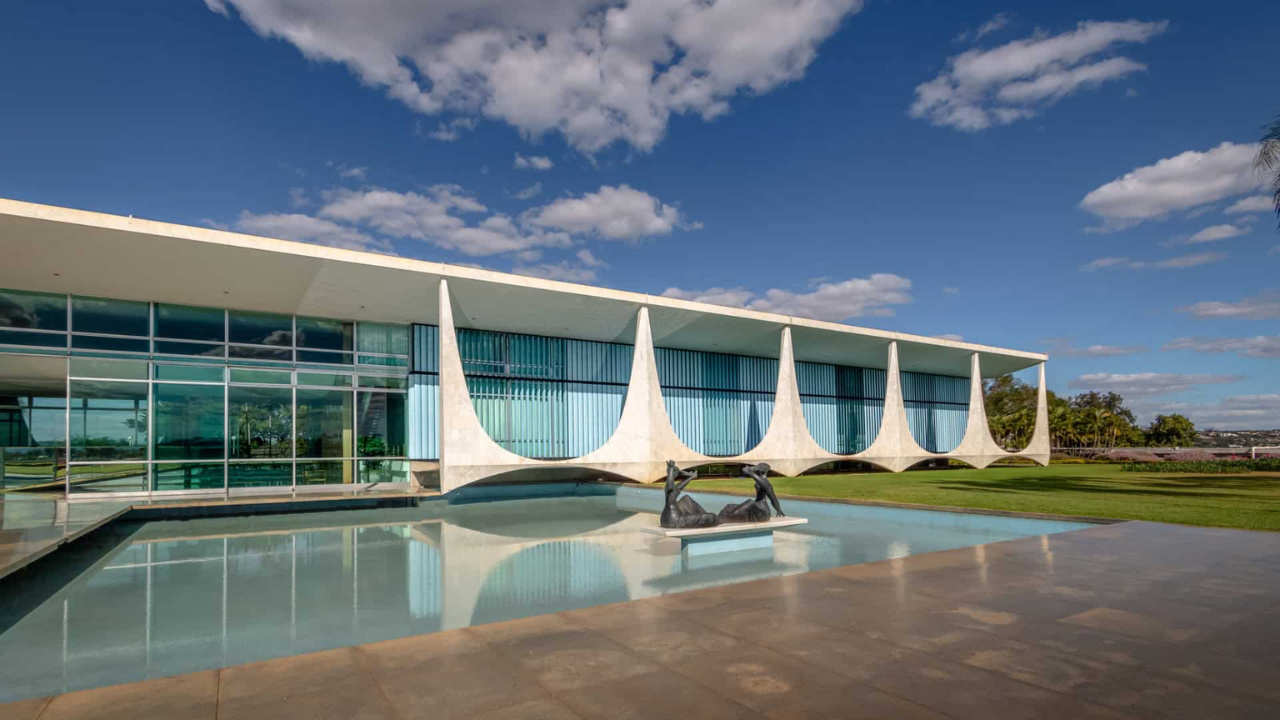
The Palácio da Alvorada Begins Operating With Solar Energy After Authorization From Conplan. The Initiative, Evaluated at R$ 3.5 Million, Aims to Transform the Presidential Residence Into a Landmark of Sustainability in Brazil.
The Palácio da Alvorada, the official residence of the President of the Republic, has taken another step towards sustainability. The location has begun to be powered by a solar energy plant, resulting from a project evaluated at R$ 3.5 million. The government’s goal is that by the end of 2025, all energy used in the structure comes from renewable sources.
The initiative was unanimously approved by the 32 counselors of the Territorial and Urban Planning Council of the Federal District (Conplan) and published in the Official Gazette of the Federal District (DODF). The project was analyzed in light of the Territorial Zoning Master Plan (Pdot), which requires prior approval for any intervention in protected areas.
Low-Impact Solar Structure With High Symbolic Value
According to Aguinaldo Filho from the Office of the President’s Administration, the installation of the solar panels does not alter the architectural ensemble of the Palace. “It is a low-interference structure in the architectural ensemble, but it has a great symbolic and economic impact,” he stated during the council meeting.
-
Solar energy can increase property value by up to 10% and become a selling point.

-
Solar and wind energy surpass natural gas for the first time in the world and accelerate energy revolution

-
Africa has about 500,000 cell towers and most still burn diesel to operate, while companies rush to cover antennas with solar energy and avoid signal blackouts.
-
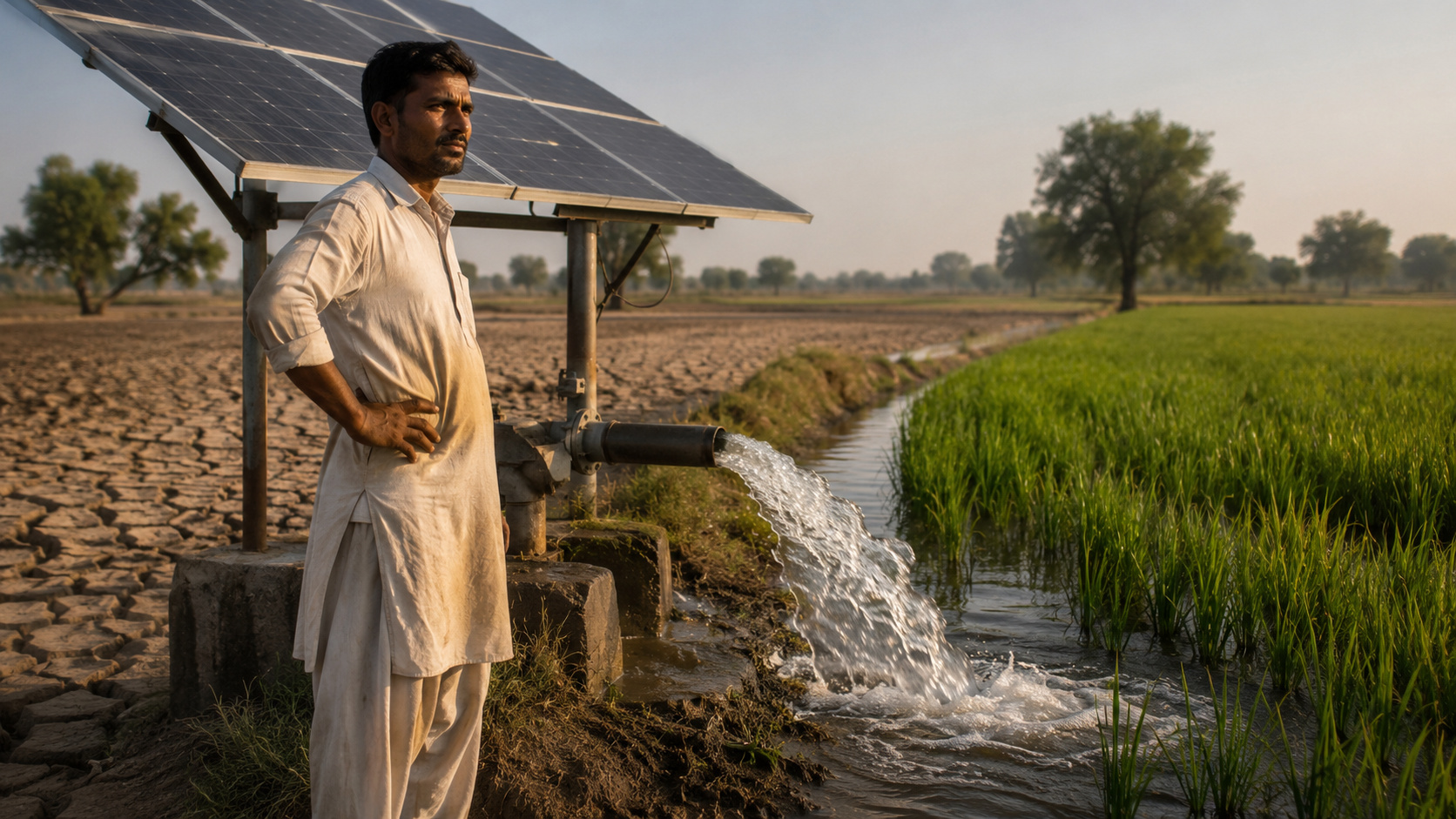
Farmers swapped diesel for solar panels in Pakistan, powered irrigation pumps almost cost-free, expanded rice fields, and now groundwater has become a red alert in the countryside.
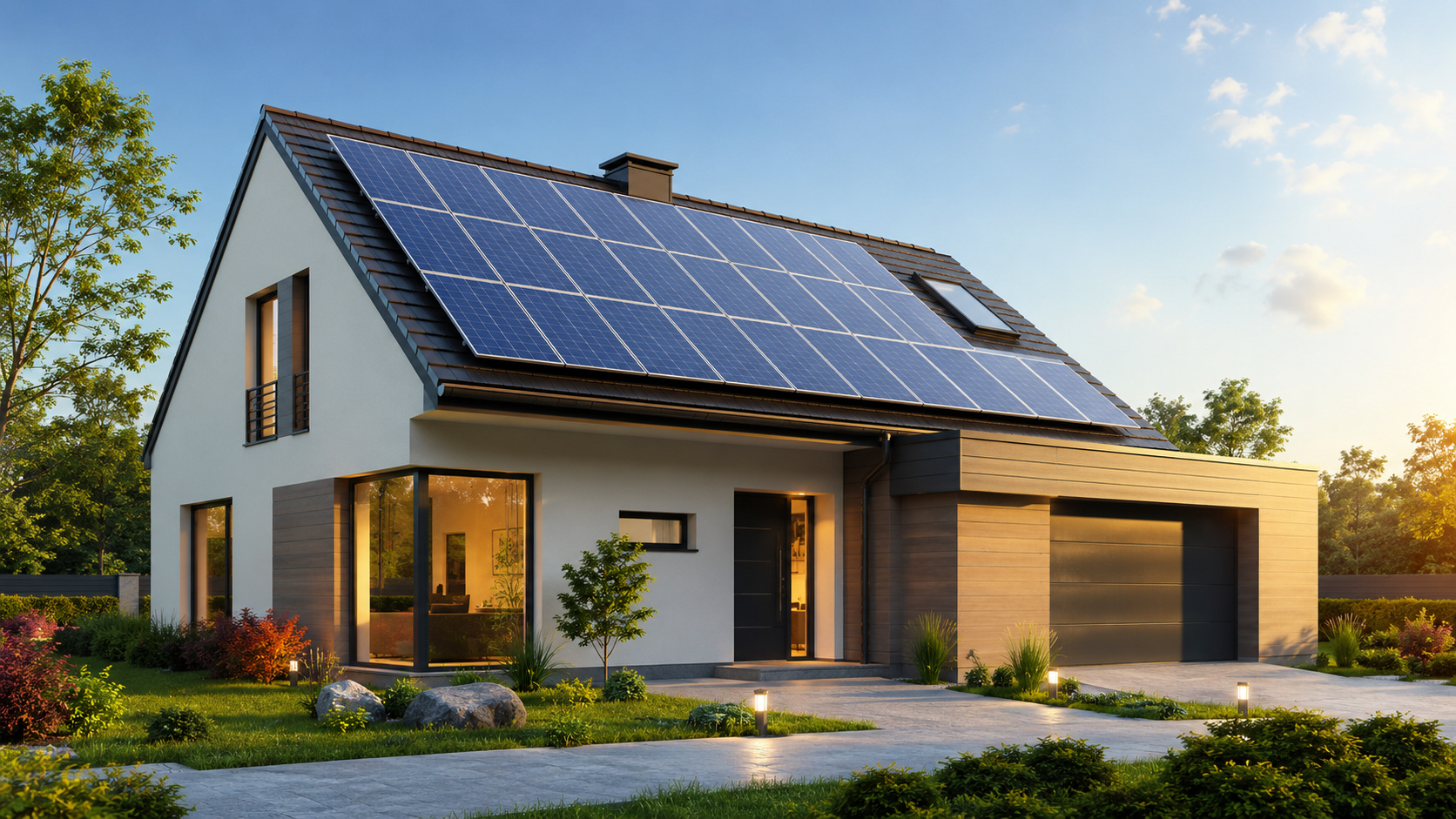


The installed solar plant has a capacity of 1,095 kWp, which will guarantee an annual production of about 1,500 MWh, sufficient energy to meet the entire consumption of the Palácio da Alvorada.
The implementation of the photovoltaic system is the result of a partnership between the Civil House, the Ministry of Mines and Energy (MME), and the company Neoenergia Brasília, through the Energy Efficiency Program (PEE) of the National Electric Energy Agency (Aneel).
In the past four years, Neoenergia has installed 17 photovoltaic plants and plans to implement four more by the end of 2025, increasing renewable generation capacity in the country.
Public Economy and Environmental Commitment
According to data from the federal government, the new solar plant at the Palácio da Alvorada is expected to generate savings of over R$ 1 million per year for the public treasury. In addition to reducing costs, the project contributes to the decarbonization of the electrical matrix and aligns with the United Nations Sustainable Development Goals (SDGs), especially SDG 7 — Affordable and Clean Energy.
With the advancement of solar energy in one of Brazil’s most symbolic buildings, the federal government reinforces its energy efficiency policy and consolidates the country as one of the leaders in the transition to renewable sources.






Be the first to react!