Portuguese
  Spanish


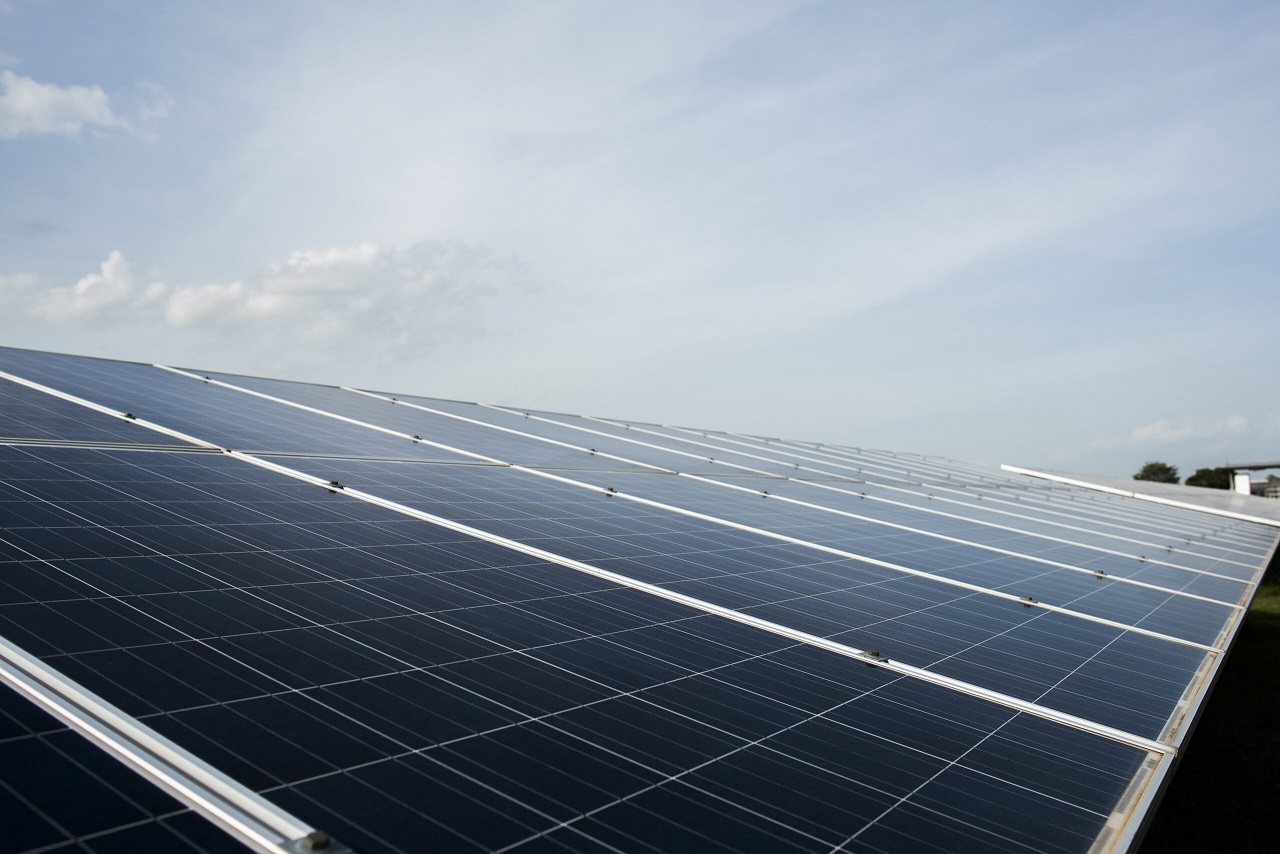

Panasonic Is Investing in Its ESG Agenda and Will Buy Solar Power from a Plant in Ceará. The Investment in the Facility Will Be R$ 1.6 Billion by the Responsible Company.
The technology and electronics company, Panasonic, announced this Wednesday (13) that, of the total energy consumed in its units in 2024, 60% will come from solar energy, which will be generated in a self-production model. The energy will be generated by the Solar Complex of Intrepid, located in the municipality of Mauriti, Ceará. The plant has a capacity to produce 500 MWp and will be responsible for about 65% of the consumption of the company’s manufacturing unit located in Extrema, Minas Gerais. For the construction, operation, and management of the solar power plant, the investment will be R$ 1.6 billion by the company responsible for providing photovoltaic energy, Pontoon Clean Tech, with which Panasonic has signed a contract for 15 years to carry out this project.
Solar Energy Initiative in Ceará Is Part of Panasonic’s ESG Agenda
According to the Vice President of Home Appliances at Panasonic Brazil, Sergei Epof, this is a consortium agreement, with a contract signed for 15 years with Pontoon Clean Tech, the company responsible for the investment, operation, and management of the solar power plant in Ceará, while Panasonic is responsible for the payment and contracting of the used energy.
The initiative is part of the company’s global ESG agenda, which is advancing several actions aimed at fulfilling the Environmental Vision 2050. In all Panasonic units, there is already a verification system in accordance with current environmental legislation.
-
Fired during apartheid and with a little borrowed money, an electrician started with a borrowed truck and transformed electrical services into a group connected to energy, real estate, and infrastructure in South Africa.

-
Wood has ceased to be just a construction material in Yale research and has become insulation for electrical transformers that face intense heat, aging, and increasing pressure from the renewable energy-powered grid.
-
More than 1,000 residents of a remote island in Kiribati now have clean water and electricity with solar systems operated by the community itself.
-
Ceará brings together 7 giants and R$ 66 billion to transform Pecém into the largest green hydrogen hub in Brazil, with final decisions expected by the end of 2026.



In Brazil, the company offsets all CO2 emissions, and the Extrema (MG) factory, which is responsible for producing the company’s washing machines and refrigerators, was the first in Latin America to have the Zero CO2 Emission seal granted by the Japanese headquarters. Additionally, the company is already part of the sustainability pillar in its products, always aligning new technologies in projects focusing on the environment.
Panasonic’s Solar Power Plant in Ceará Will Have Over 900,000 Panels and Generate 4,000 Jobs
According to Epof, the investment in renewable energies is in line with the Environmental Vision 2050 strategy. Last May, a global goal to make the company’s total CO2 emissions net zero by the next decade was announced. In the country, this is already a reality in the company’s units even before the deadline, through the offsetting of carbon credits purchase.
Panasonic’s efforts will ensure that the electricity created by its services and products exceeds the use of its manufacturing processes by the year 2050 or even sooner. Achieving over 60% self-produced energy, the company also stands out among other units worldwide.
The Intrepid solar energy complex project in Ceará will cover a total of 1,100 hectares and have 935,000 solar energy panels installed, avoiding the emission of 400,000 tons of carbon dioxide annually. Construction is set to start later this year and should be completed by the end of 2023, creating over 4,000 jobs for the local community in Ceará.
Pontoon Speaks Out About Initiative
According to the CEO of Pontoon, Marcos Severine, the company entered the market this year, offering the possibility of building the complete decarbonization journey for various companies; thus, having Panasonic as its ally in this expanding sector represents a significant step for the company.
With this, Panasonic plans to lead the self-production of energy through photovoltaic solar matrices compared to other companies in the same sector.