Portuguese
  Spanish


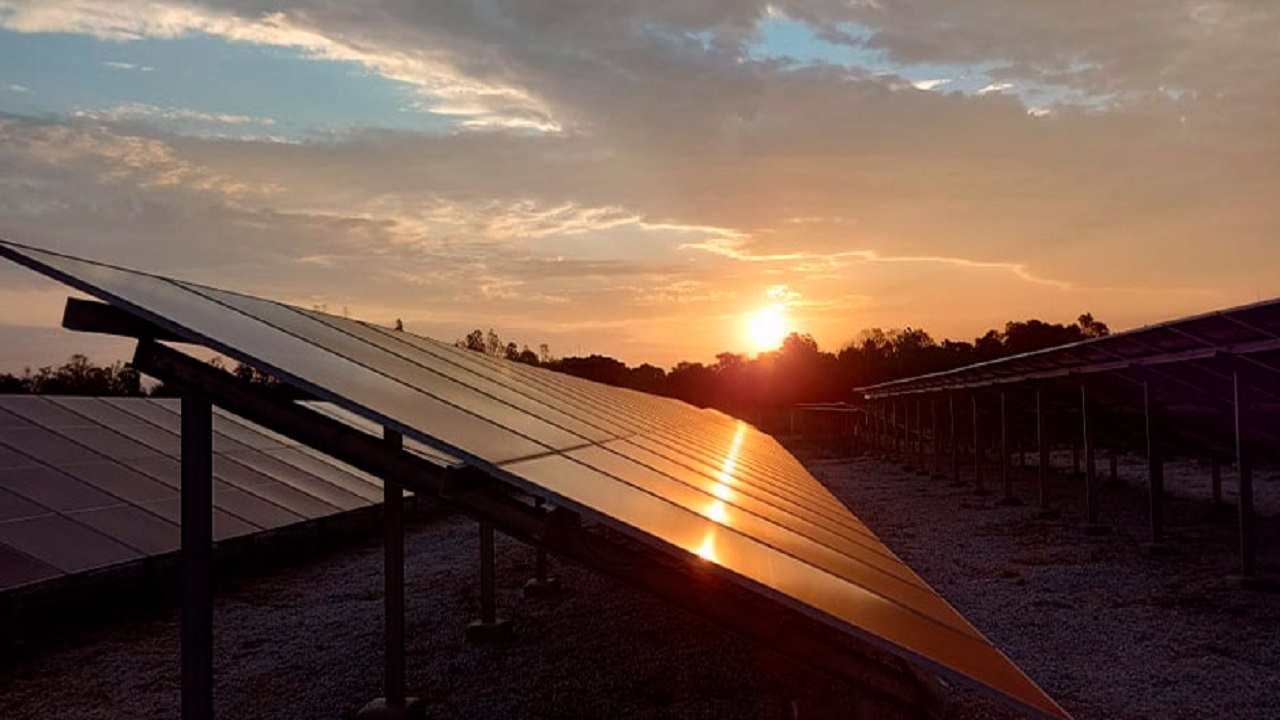

TecPar, a company focused on internet solutions, inaugurated a solar plant in Rio Grande do Sul. The solar energy project has almost 2 thousand solar panels and promises to reduce emissions by 270 tons per year.
The solar energy sector is advancing more and more in Brazil and another solar plant is about to come online. A solar plant featuring 1,976 bifacial solar panels was delivered by Tecpar in the municipality of São Borja, in Rio Grande do Sul, this Thursday (24). The project, installed by HCC Solar Energy, has a total area of approximately 3.3 hectares and a capacity to generate 1,000 kWp of power. Initially, TecPar made an investment of R$ 7 million for the plant’s construction.
Solar Plant Will Use Almost 2 Thousand Solar Panels to Reduce 270 Tons of CO2 Emissions
According to TecPar, all the electricity produced with the help of the solar energy plant will reduce the emission of over 270 tons of CO2 per year into the atmosphere. With the solar panels, the estimate is that the solar plant in São Borja will produce enough energy to power the homes of a thousand families per month.
The company also emphasized that the location in Rio Grande do Sul was chosen due to its excellent solar radiation incidence and also for ease of connection to the power supply grid. According to data from the National Electric Energy Agency (ANEEL), which was updated early Wednesday morning (23), Rio Grande do Sul currently has 16 solar energy plants in operation under centralized generation, known as large-scale plants.
-
Fired during apartheid and with a little borrowed money, an electrician started with a borrowed truck and transformed electrical services into a group connected to energy, real estate, and infrastructure in South Africa.

-
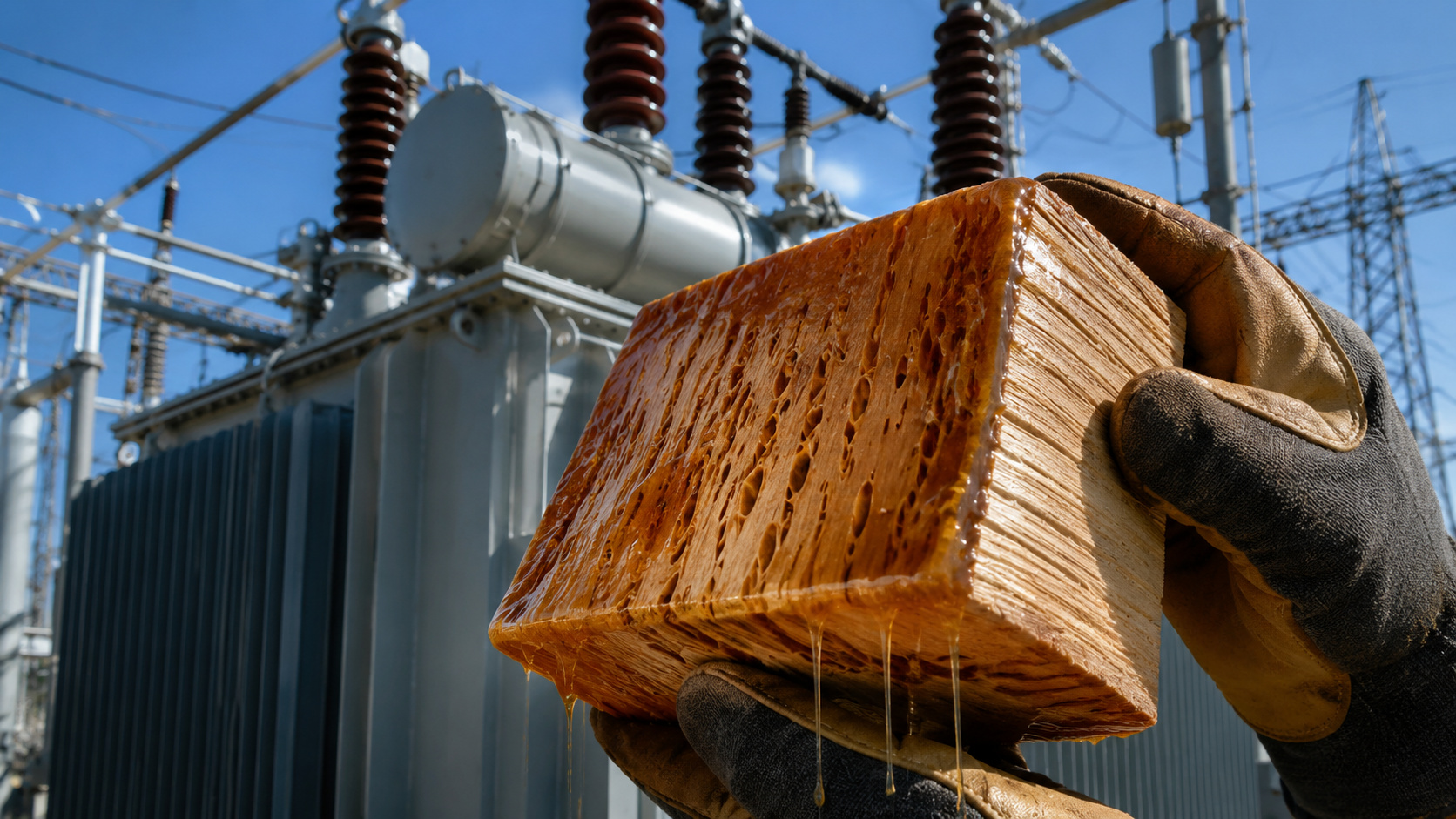
Wood has ceased to be just a construction material in Yale research and has become insulation for electrical transformers that face intense heat, aging, and increasing pressure from the renewable energy-powered grid.
-
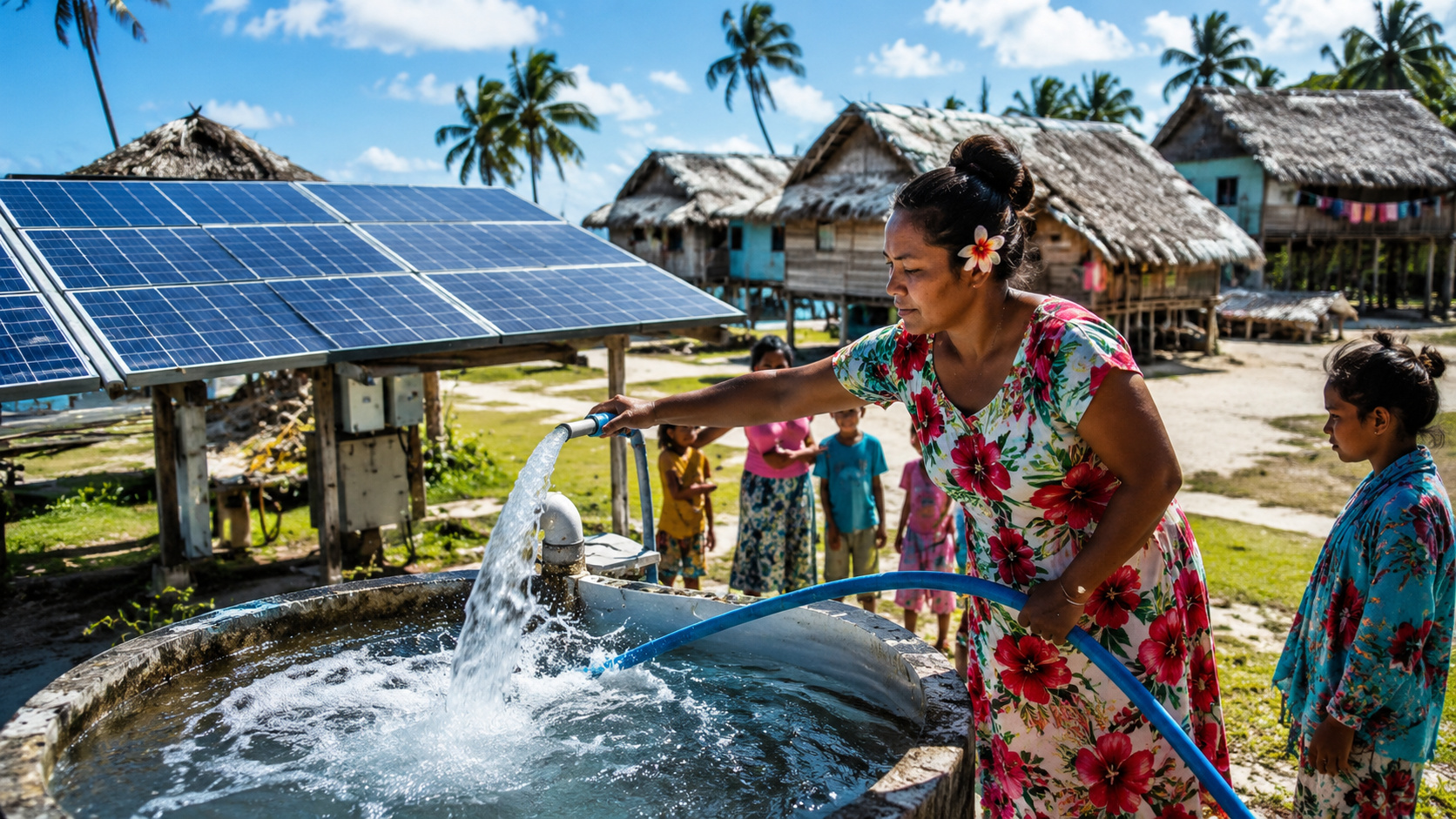
More than 1,000 residents of a remote island in Kiribati now have clean water and electricity with solar systems operated by the community itself.
-
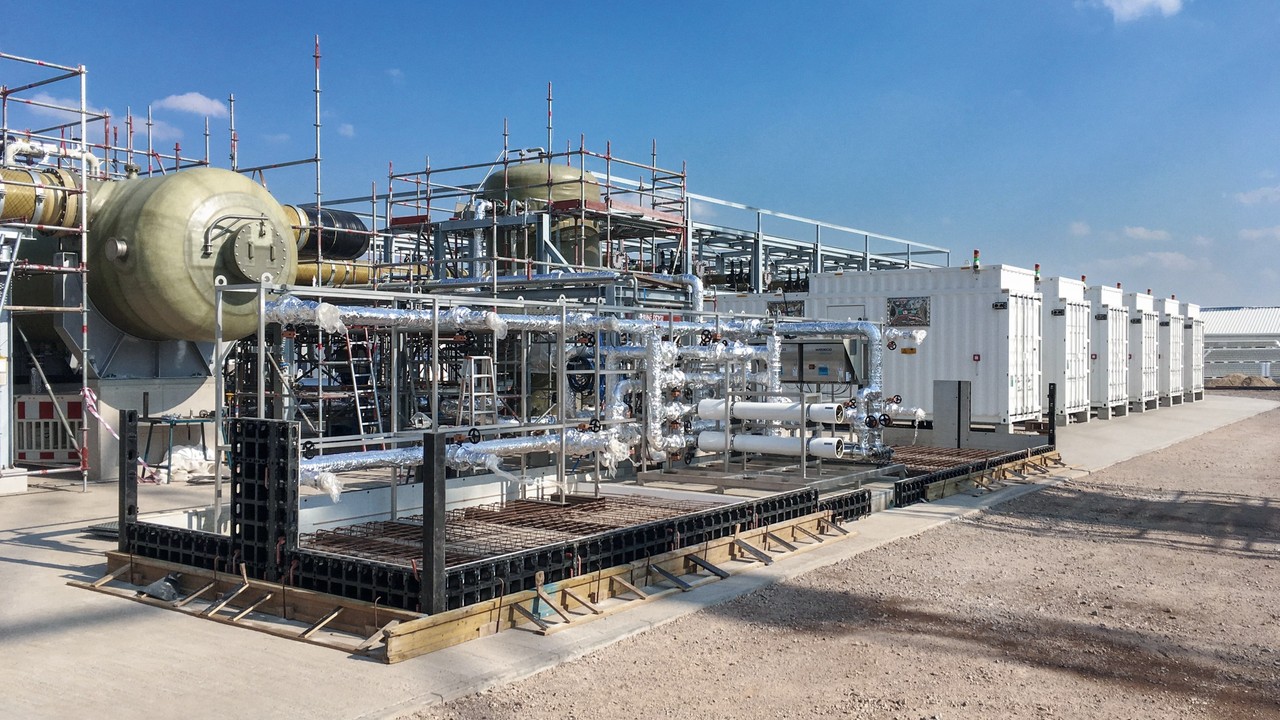
Ceará brings together 7 giants and R$ 66 billion to transform Pecém into the largest green hydrogen hub in Brazil, with final decisions expected by the end of 2026.


According to the agency, all these projects together generate just over 8 MW. It is worth noting that the solar plant operates similarly to residential photovoltaic solar energy systems, but on a larger scale, as it was designed for the production and commercialization of large volumes of high-tension energy.
TecPar Clients Will Use Renewable Energy
According to Gustavo Pozzebon Stock, CEO of Brasil TecPar, the choice of the municipality in Rio Grande do Sul for the plant with almost 2,000 solar panels is due to its excellent solar position and brightness, creating the best technical conditions for the project to come to fruition. Additionally, the investment aligns with the company’s good environmental, social, and corporate governance practices.
Thus, more than 300 thousand clients of Brasil TecPar will benefit from services and solutions that utilize clean and renewable energy. Gustavo states that the company entered this initiative to help the environment by using solar energy and to produce less carbon for the atmosphere.
The CEO highlighted that the company’s primary business is the internet, which requires the use of towers with high electricity consumption and data centers, along with all its units spread across Brazil. Consequently, by using electricity from the solar plant in Rio Grande do Sul, the company will contribute to an annual reduction of 270 tons of CO2. The benefits extend to all corners of Brazil, not just in the city of São Borja or in the state of RS.
Get to Know Brasil TecPar
Brasil TecPar is a group whose mission is to consolidate the telecom internet and technology market in Brazil, resulting from achievements and experiences gained over more than 25 years of operation.
The company was established in 1996 with the start of dial-up operations and has since acquired other operations in this segment. Currently, the company has over 2,000 employees working at its units to simplify the lives of many people through connectivity and technology.
The company is managed by a board of directors and an executive board, which are responsible for conducting strategic planning, defining company policies, and investment plans.