





 Portuguese
  English
  Spanish
  3 min of reading
  2 comments


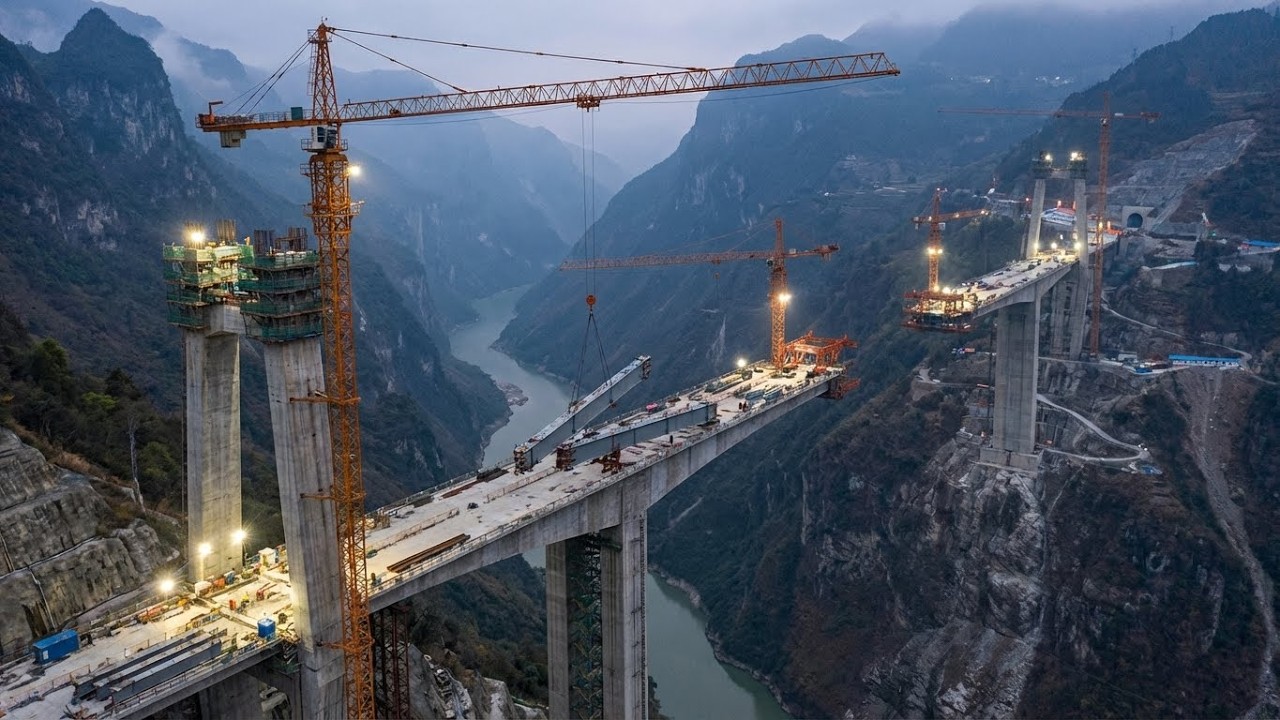


Japan Replaces Urban Overpasses With Precast Slabs of 20–40 M and 200–600 T Installed During Nightly Windows of 6–12 Hours Using Accelerated Construction.
Technical reports from Public Works Research Institute (PWRI), exchange studies with the FHWA and documentation from Japanese railway operators show that the renewal of overpasses in dense cities has begun to follow a clear principle: take as much work as possible off-site and move it to factories. The result is a Accelerated Bridge Construction (ABC) system in which entire slabs are manufactured off-site and installed during short nightly windows, when traffic is halted for a few hours.
In Japanese urban projects, the most common spans to replace range from 20 to 40 meters. Instead of executing beams, slabs, and post-tensioning on-site, these sets are pre-assembled in the factory as a single structural module. Pre-fabrication allows for strict quality control, proper concrete curing, and prior integration of systems (drainage, guardrails, support devices).
This strategy drastically reduces the number of critical operations in the field and shortens the closure time from weeks or months to one single night.
-
South Africa created giant concrete blocks in the shape of a twisted “H” that reached 30 tons and became a global shield against destructive waves; dolosse were born after a storm devastated the port of East London in 1963 and today protect ports, beaches, and breakwaters on various continents.

-
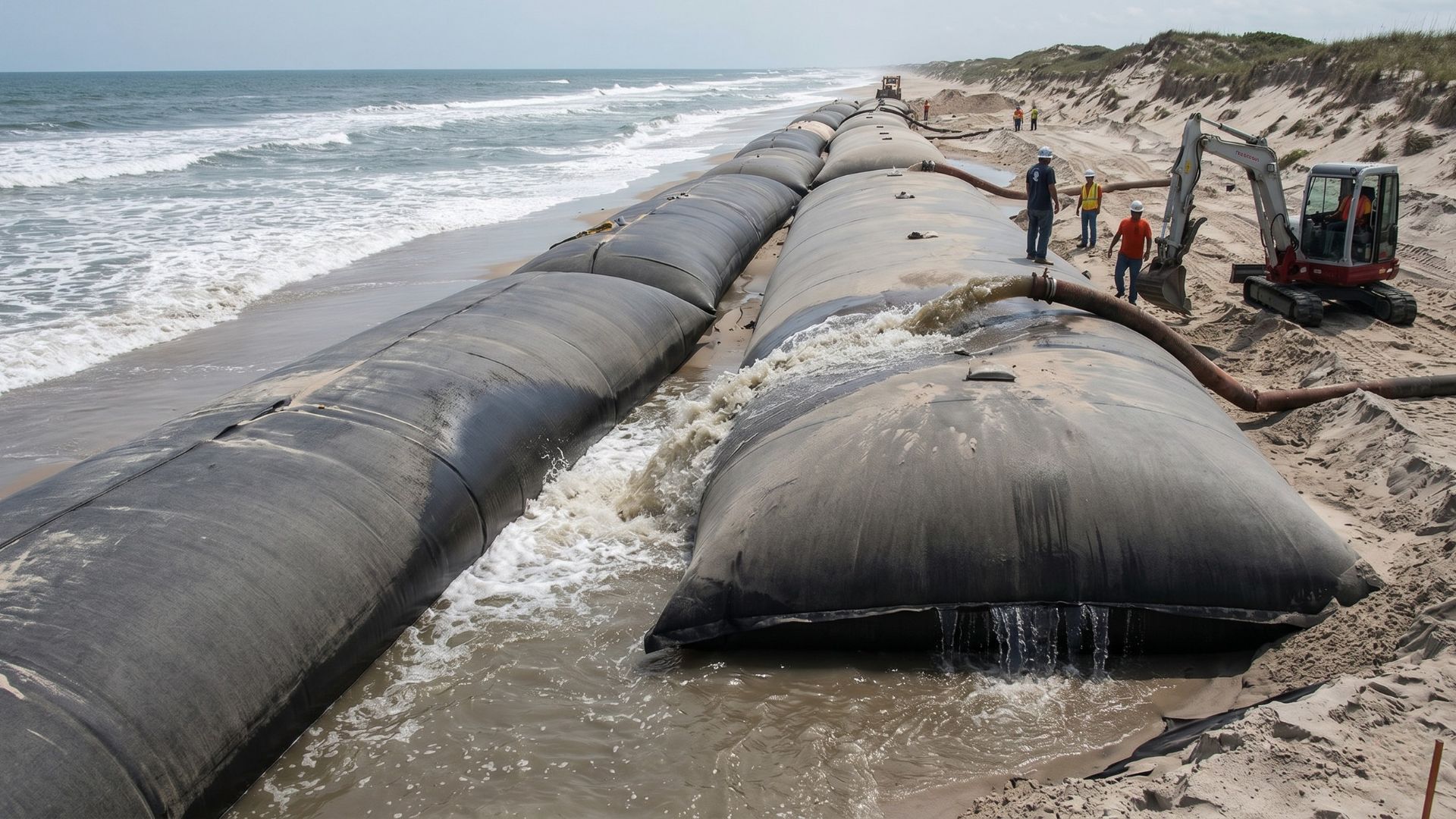
Giant geotextile bags filled with sand have become flexible barriers against erosion in America, Europe, Asia, and Oceania; the technology replaces tons of concrete and rock with permeable tubes that dissipate waves and protect beaches, dunes, and riverbanks.

-
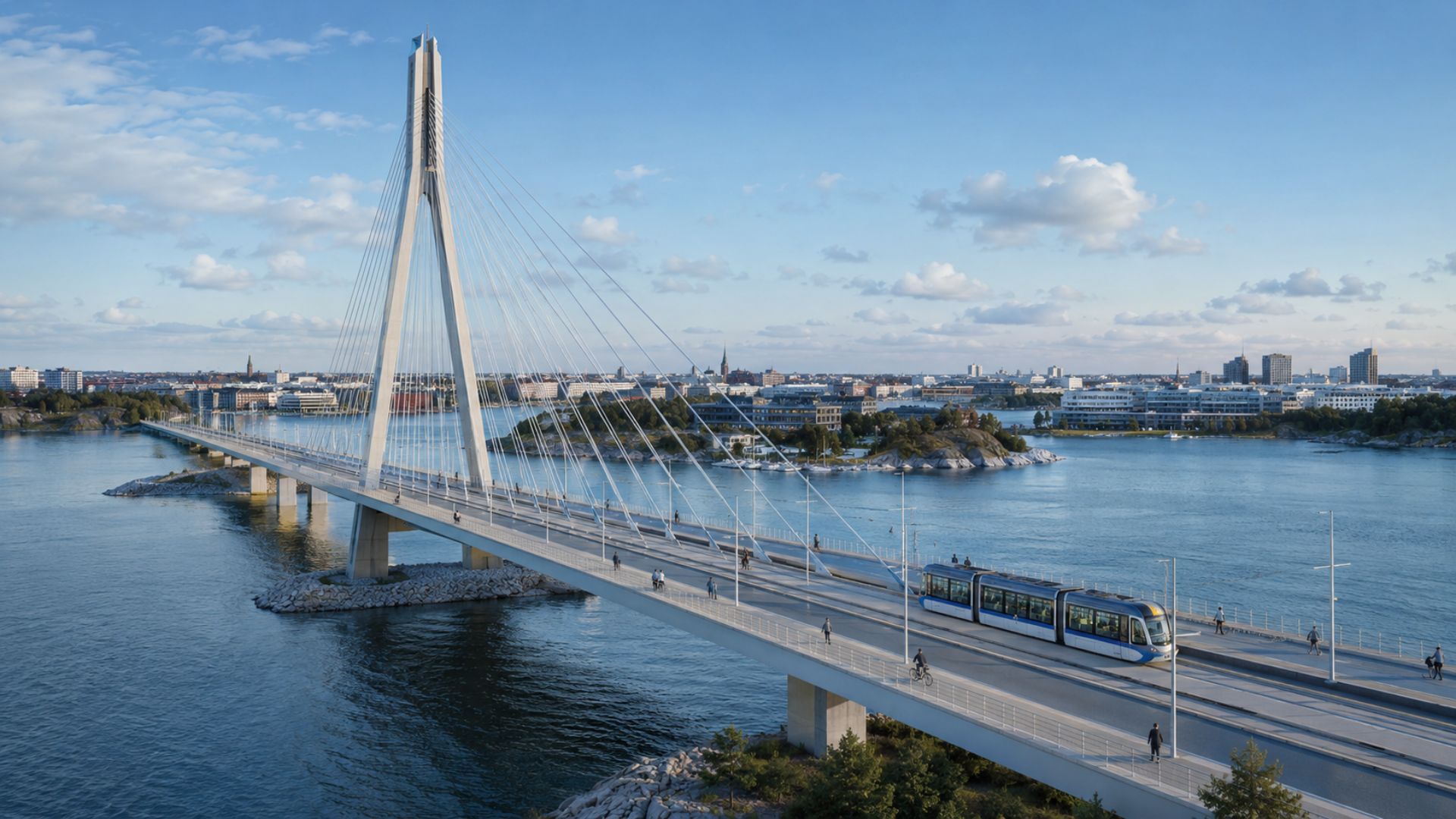
The largest bridge in Finland has just been inaugurated and cars simply cannot pass on it; only trams, bicycles, and pedestrians are allowed to cross the 1.2 km giant with a 135-meter pillar over the Baltic Sea.
-
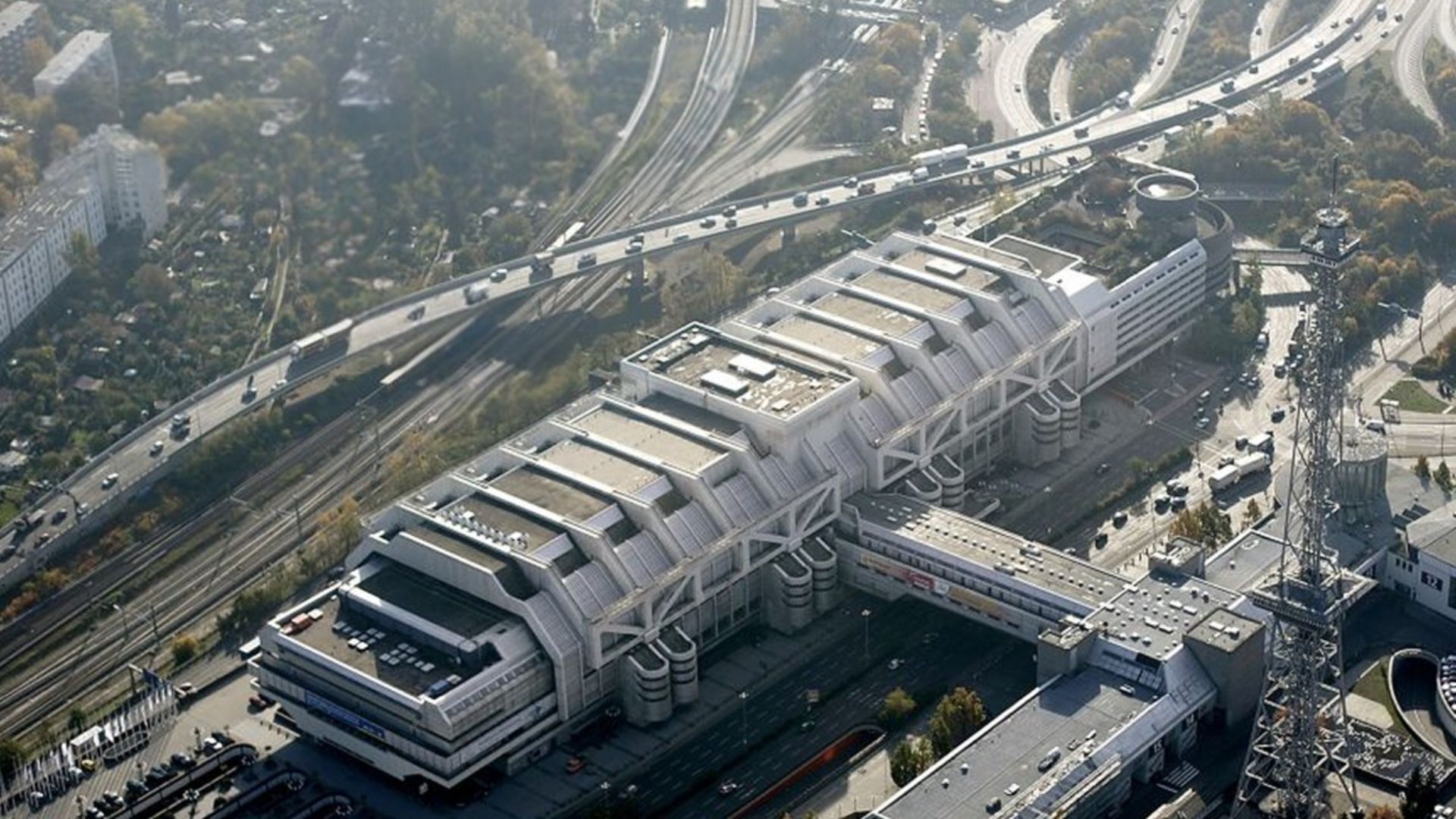
A spaceship-shaped building that cost around 1 billion marks and was once the largest congress center in Europe has been abandoned in Berlin since 2014, and now the city is looking for someone willing to renovate and operate it for 99 years almost for free.

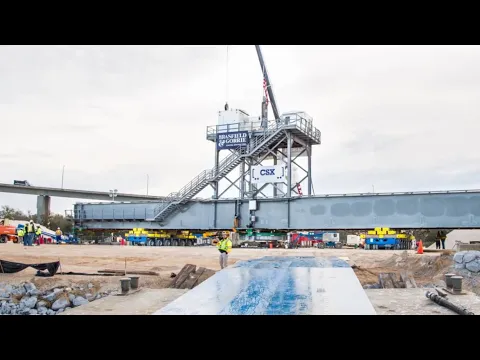

Modules Between 200 and 600 Tons: Weight Compatible with Urban Lifting
The typical weight of these complete slabs ranges from 200 to 600 tons, a range compatible with the large-capacity cranes and SPMTs (self-propelled modular transporters) used in Japan. The limit is not only structural; it is urban: narrow streets, overhead interference, and existing foundations impose clear restrictions.
Therefore, the modules are sized to be large enough to reduce joints and light enough to maneuver safely in congested environments.
Nightly Windows of 6 to 12 Hours: The Clock Controls Engineering
Interventions on Japanese railways and expressways often occur during 6 to 12 hours windows, usually during the early morning. Within this timeframe, the schedule is timed to the minute: removal of the old slab, cleaning and preparing the supports, positioning of the new module, final adjustments, and clearance for testing.
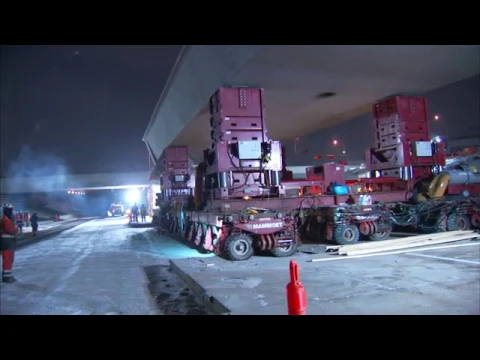
Any delay jeopardizes the reopening of the line the next morning. Therefore, engineering prioritizes redundancy of equipment, contingency plans, and dry runs before the night of the swap.
Millimeter Logistics: From the Yard to the Final Fit
The accelerated swap requires an integrated logistics chain. The slabs leave the production yard with strict dimensional tolerances, are transported on pre-approved routes, and positioned by synchronized cranes or SPMTs. The fit onto the support devices occurs with millimeter adjustments, often monitored by optical instrumentation.
This level of precision ensures that, by the end of the nightly window, the structure is ready to resume traffic safely.
In addition to speed, the method brings clear technical gains. Pre-fabrication reduces execution variability, improves concrete durability, and lowers the risk of failures associated with on-site concreting. In a country prone to earthquakes, rapid renewal is also strategic for updating seismic standards without long periods of vulnerability.
Maintenance Without Paralyzing the City
The urban impact is the main reason for adopting ABC in Japan. Replacing slabs in hours avoids prolonged congestion, reduces indirect costs, and preserves continuous operation of trains and highways. The city wakes up with a new overpass in place of the old one — which would have previously required months of construction.
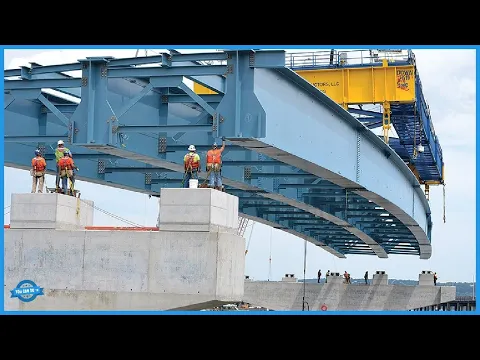
The Japanese case shows how industrialization, standardization, and tight schedules have transformed the maintenance of overpasses into a repeatable process. Slabs of 20–40 m, modules of 200–600 t and windows of 6–12 h are not exceptions; they are operational parameters that guide the design from the beginning.
Instead of long and visible works, Japan opted for surgical interventions, where the scale of the material is large, but the urban exposure time is minimal. It is heavy engineering operating at the pace of a city that cannot stop.




O Brasil tem muito que aprender com os japoneses, aqui o que predomina é a corrupção.
Igual no brasil de 8 a 12 horas. Opss
no brasil é de 8 a 12 anos.