Portuguese
  Spanish



Offshore Industry Addresses Environmental Issues in Its Regulatory Standards, Which Has Driven the Development of Newer, More Efficient, and Eco-Friendly Technologies.
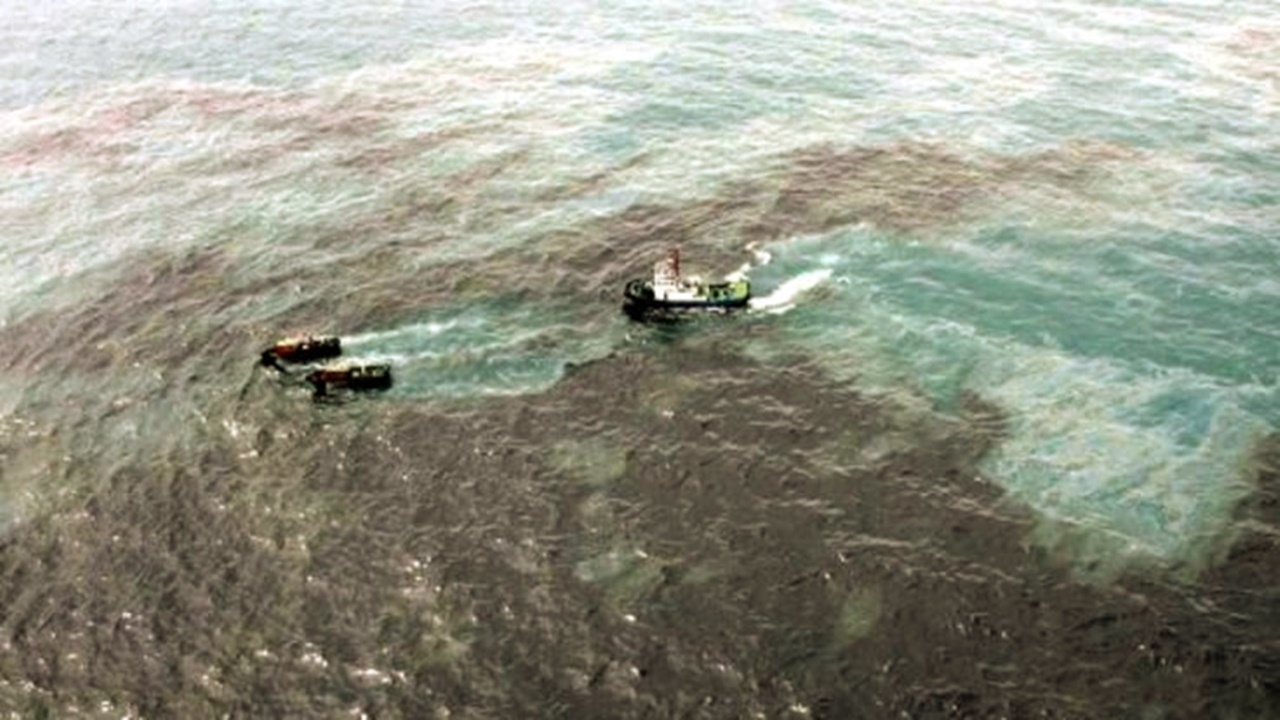
Just one liter of common lubricating oil can pollute one million liters of water; or form a film of 5,000m², thus causing disastrous consequences for the environment. In this way, the Offshore sector has been seeking new ways to ensure the operation of machinery without harming the fauna and flora of the oceans.
Read Also
- Helpers, Cooks, Technicians, Drivers, and More Onshore and Offshore Job Openings (to Work Onboard) in RJ
- Scania Multinational, Global Leader in Heavy Truck, Bus, and Engine Production, Starts Recruitment for Positions at Its Factory in São Paulo
- First Oil Shipment from the FPSO Carioca Platform Is Destined for Petrobras Refineries in São Paulo
- Seven Seas Grandeur, the Largest and Most Luxurious Ship in the World, with Suites Priced at R$ 60,000.00 per Night, Announces Its Grand Debut for 2023
- China Discovers Gigantic Oil Field with 100 Million Tons in Reserves
Moreover, the Offshore industry has the environmental issue in its regulatory standards, which has prompted the development of new technologies that are more efficient and eco-friendly. One of these innovative technologies is the biodegradable specialty lubricants from Kluber and Rocol. “Offshore installations have grown significantly and very rapidly. Unfortunately, the number of accidents has also increased. To avoid serious damage to the environment, countries require companies to use products that, if spilled, do not cause significant harm to the local wildlife and corals,” explains Luiz Maldonado, CEO of Lubvap, a lubrication solutions distributor.
Eco-Friendly Lubricants Are Developed with Chemical Substances That Allow Them to Be Broken Down by Microorganisms
Eco-friendly lubricants, as the oils used to ensure high performance of machines are termed, are developed with chemical substances that allow them to be broken down by microorganisms. This product undergoes testing in certified laboratories, and 60% of its material composition must disappear within 28 days. “In addition to being biodegradable, eco-friendly lubricants maintain the same performance level as conventional ones and require fewer products to deliver the same efficiency,” adds Luiz.
-
Starnav orders 10 hybrid vessels with German MTU engines in Itajaí and prepares fleet to serve Petrobras in the pre-salt for 12 years.

-
An old ferry rusted for more than 10 years in New York, almost sank after the engine room was flooded, and now volunteers are rushing to clean the hull, remove wires, life jackets, and loose paint before sinking it in the Atlantic to become an artificial reef full of marine life.
-
An old ferry rusted for more than 10 years in New York, almost sank after the engine room was flooded, and now volunteers are rushing to clean the hull, remove wires, life jackets, and loose paint before sinking it in the Atlantic to become an artificial reef full of marine life.
-
The Chamber releases R$ 10 billion to hold the price of diesel until December and proves that Brazilian fuel remains tied to Congress.


One of the main contaminants present in common lubricants is heavy metals, which are toxic to living beings. Common lubricating oil contains high levels of hydrocarbons and metals – iron, lead, zinc, copper, chromium, nickel, and cadmium that, when disposed of improperly or spilled, can be absorbed by animal and plant tissues, posing a serious danger to public health.
It is estimated that about 25 million tons are dumped into the oceans every year, according to the International Solid Waste Association. Of this number, 80% comes from cities, and 12.5 million tons are plastics. The impacts are environmental, economic, tourism-related, and on health.