






 Portuguese
  Spanish
  2 min of reading
  0 comments


Betting on Biogas, Paraná Revolves the Journey to a More Ecological Hydrogen.
The world is rapidly advancing toward the decarbonization of the economy, and sustainable hydrogen emerges as one of the driving forces in this process. But in Paraná, the approach is unique. Unlike other Brazilian regions, the focus here is not just on production, but on innovating the way of production.
The Distinctive Paraná Approach
While some Brazilian regions focus on hydrogen production through electrolytic processes powered by solar and wind energy, Paraná bets on the potential of biogas. This biogas is a valuable byproduct of the state’s rich agricultural activities, from animal protein to sugarcane waste.
-
Brazilian scientists are simultaneously advancing two research projects on clean hydrogen and driving solutions that could transform the energy matrix, enhance industrial competitiveness, and accelerate large-scale emission reduction targets.

-
Advancement in renewable energy: A R$ 150 million project launched by Petrobras and Finep aims to create state-of-the-art electrolyzers for green hydrogen, strengthening national research and preparing Brazil to compete in a billion-dollar energy market.
-
Illiterate or semi-literate grandmothers were trained to repair solar systems, open rural workshops, and light up homes that still depended on kerosene.
-
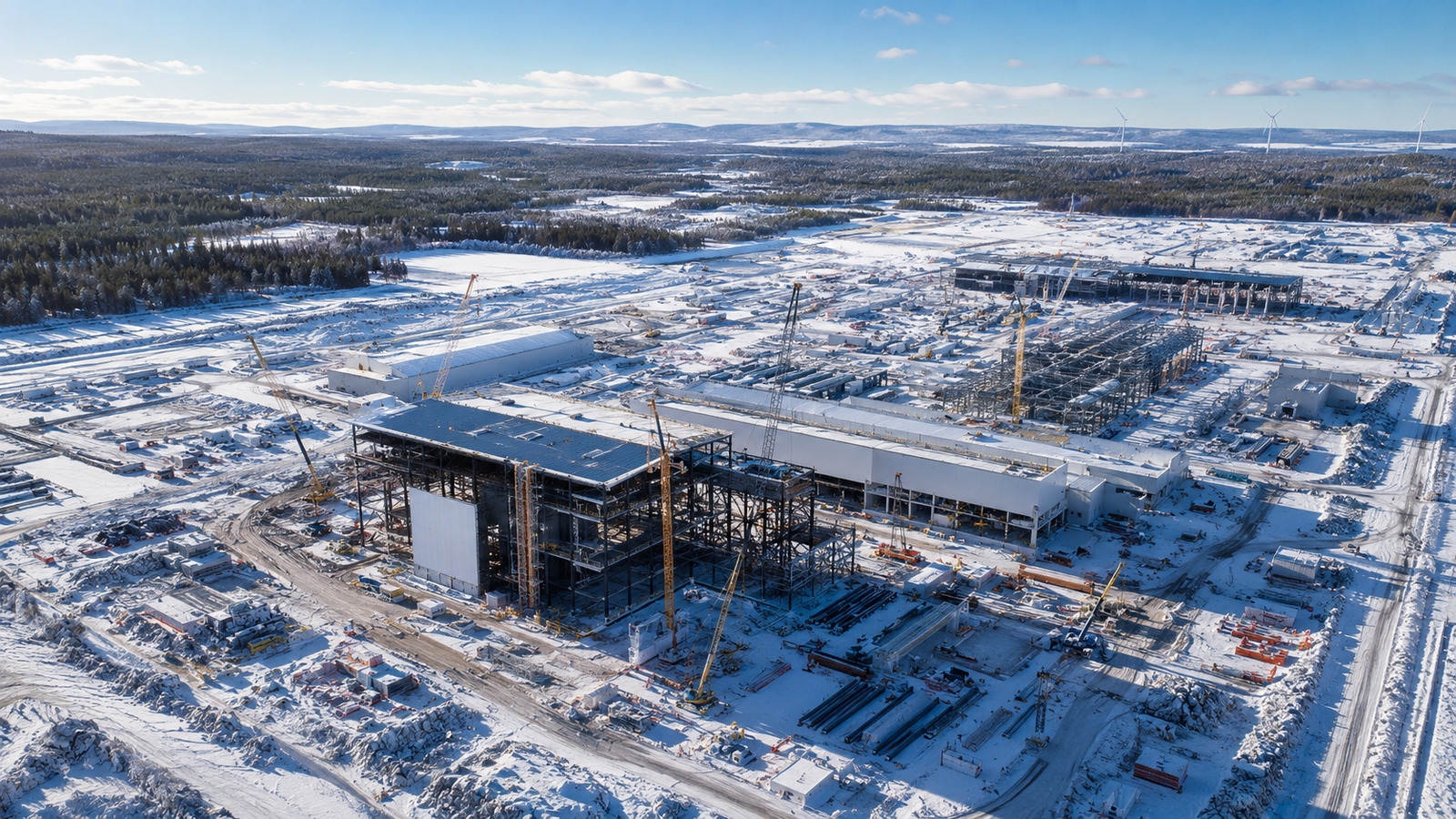
US$ 7 billion, green hydrogen, and steel with up to 95% less CO₂: the first green steel plant on the planet emerges in Sweden and targets Brazil as the next chapter




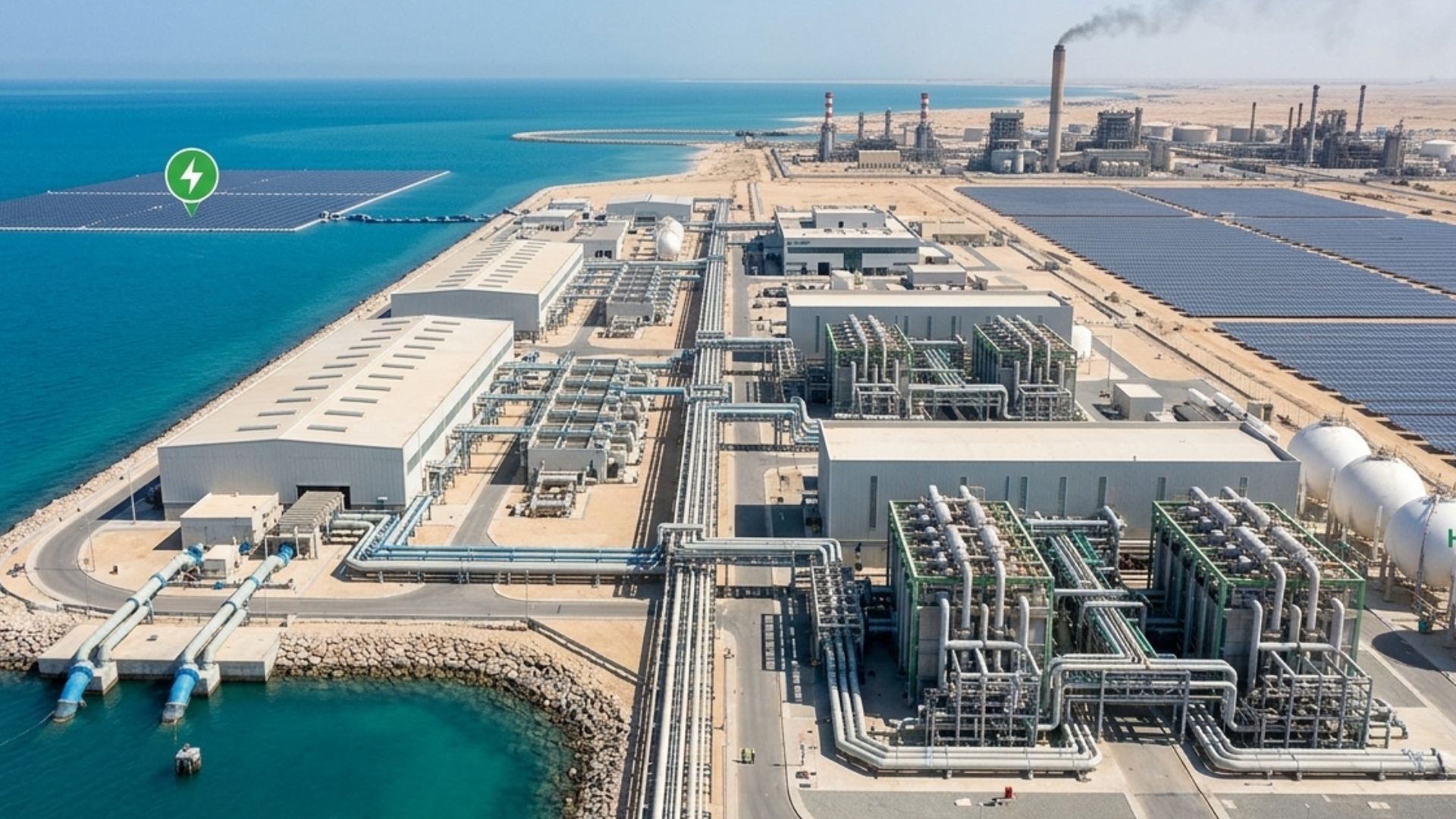
The use of biogas transforms hydrogen into a more viable energy source for various industries, opening doors for new ventures and strengthening the regional production chain. The calculated potential for hydrogen production in Paraná is impressive, estimated at 1.99 billion Nm³ per year, driven by the vast availability of biogas in the state.
Toward Internal Consumption and Sustainability
More than just producing, Paraná is preparing for a future where sustainable hydrogen is central to internal consumption. This strategy can significantly reduce the carbon footprint associated with energy transportation. The possibilities are vast: from fuels to residential energy and industrial sources.
Paraná is not just dreaming; it is taking action. It has already commissioned a Hydrogen Plan, working in partnership with Fipe, to map the future trajectory of this crucial energy in the state. This methodical approach will ensure that the state is ready to lead in this new energy era.
Currently, the team is focused on developing strategies and understanding the current “Art of the Green H2 Market.” The final result of this detailed plan is expected to be launched in April 2024.
Strategic Partnerships and Future Initiatives
Preparing for the future means working with the best. Paraná collaborates with giants like Itaipu, the largest producer of clean energy in the world, Copel, Sanepar, and Compagás. Together, these partnerships are ensuring that the state is a pioneer not only in production but also in the effective implementation of hydrogen-related strategies.
Other initiatives are underway, including the State Hydrogen Policy and the streamlining of environmental licensing, to ensure that the industry grows sustainably. And the results are already showing: projects like NAPI Hydrogen and partnerships with Copel and Sanepar are paving the way for a greener future.
In summary, Paraná is not just making an investment. It is betting on a more sustainable future, focused on well-being, innovation, and opportunities for all Paraná residents.
Source: State Secretary of Planning of Paraná, Guto Silva.






Be the first to react!