Portuguese
  Spanish


Brazil And Japan Establish Historic Partnership To Boost Ethanol And Sustainable Biofuels Aiming For Decarbonization Goals And Low-Carbon Economy.
Brazil and Japan celebrated an unprecedented agreement in the biofuels sector on April 15, 2025, in Tokyo, further strengthening the ties between the two countries. This memorandum of understanding (MOU) between the Brazilian Sugarcane Industry Association (UNICA) and the Institute of Energy Economics of Japan (IEEJ) promises to revolutionize the use of ethanol and bioethanol as key tools in the global fight against carbon emissions. The partnership not only highlights the potential of Brazilian ethanol but also aims to position it as a key piece in the global sustainable energy matrix. This alliance is a significant step forward in advancing global decarbonization goals.
This historic collaboration marks a new chapter in knowledge exchange and technological innovation between nations, aiming to boost the use of sustainable biofuels. Brazil and Japan are at the forefront of the transition to a low-carbon economy, promoting practices that not only reduce emissions but also create a positive impact on economic development. Investment in ethanol becomes even more relevant as international pressures to reduce greenhouse gas emissions increase. The active participation of both countries in this process reaffirms a global commitment to the future of our planet.
The signing of the MOU took place during an event dedicated to the future of clean energy, held at the famous conference center in Tokyo. The following day, on March 28, 2025, experts gathered to discuss concrete measures and strategies to maximize the potential of bioethanol. They highlighted the importance of industrial applications of ethanol, which not only benefit the environment but also offer opportunities for new businesses and jobs in local communities.
-
Brazil Advances with JetBio’s Megaproject to Build the World’s Largest Ethanol-Based Sustainable Aviation Fuel Plant, Aiming to Become a Global Exporter

-
Brazil on Track for Record 40.7 Billion Liters of Ethanol in 2026/27 Season, Driven by Corn Ethanol
-
Petrobras Approves $1.2 Billion Refinery in Brazil to Produce Aviation Fuel and Diesel from Plants
-
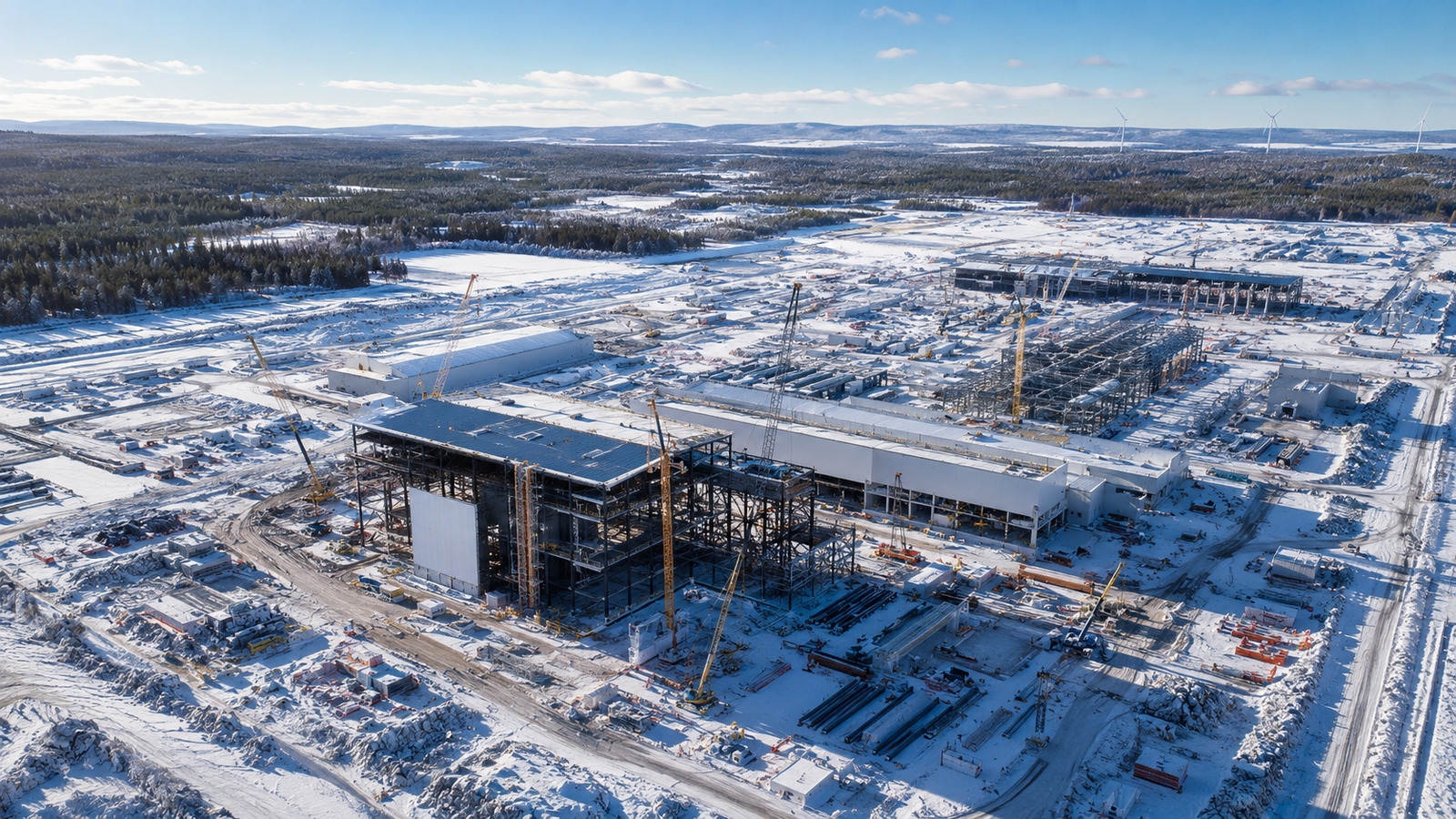
US$ 7 billion, green hydrogen, and steel with up to 95% less CO₂: the first green steel plant on the planet emerges in Sweden and targets Brazil as the next chapter


The agreements reached foresee investments in infrastructure and transportation studies, aiming to facilitate access to ethanol and bioethanol among partner regions. Training programs and professional exchanges between Brazil and Japan are also on the agenda, reinforcing the commitment of both countries to promote innovative and sustainable energy solutions.
Companies and academic institutions will play fundamental roles in this progress, as research and innovation will be the heart of this energy transformation. The collaboration between nations and diverse sectors underscores the strategic importance of ethanol in strengthening global renewable energy policies.
Global Impact Of The Brazil-Japan Partnership
Since the beginning of 2025, UNICA and IEEJ have been discussing action plans that balance the economic contributions and environmental benefits of ethanol. Such partnership represents an example of international cooperation that can be adopted by other major economies. They hope that this movement inspires greater adoption of biofuels worldwide, as countries seek more eco-friendly and responsible energy sources.
The alliance promises significant transformations in the transportation and industrial sectors, breathing new life into the role of ethanol in the global energy map. Companies from other continents are eagerly awaiting the results of this collaboration to incorporate successful practices into their own sustainable strategies. The unwavering commitment of Brazil and Japan reinforces global optimism regarding a greener and more sustainable future.
Analysts foresee a substantial increase in ethanol production, which will positively impact not only local markets but also international ones. This development promises to consolidate ethanol as an essential pillar in the low-carbon economy. Data from institutions like the International Renewable Energy Agency (IRENA) highlight that ethanol growth could even exceed initial expectations, accelerating the energy transition in an even more aggressive manner.
By 2030, projections indicate that more than 50% of the energy matrix of developed countries could be composed of renewable sources like ethanol, reflecting the importance of international partnerships and the strong commitments that Brazil and Japan have signed, which are crucial to implement advancements gained in research, making collective efforts yield significant fruits for future generations.
Collaboration Between Brazil And Japan In The Use Of Ethanol
The Brazilian Sugarcane Industry Association (UNICA) and the Institute of Energy Economics of Japan (IEEJ) formalized a Memorandum of Understanding (MOU) with the aim of deepening cooperation between both countries in the significant development and use of sustainable biofuels. This historic partnership was confirmed during sector-related events linked to the state visit of President Luiz Inácio Lula da Silva to Japan, underscoring the importance of Brazilian ethanol in the global mission for the transition to a low-carbon economy. This agreement promotes not only knowledge exchange but also drives technological collaboration between Brazil and Japan.
Expansion Of Ethanol Use In Japanese Gasoline
Japan has ambitious goals to increase the ethanol blend in gasoline to reach 10% by 2030, thus increasing demand for sustainable biofuels. Brazil, holding a strong competitive advantage in this sector, stands out as a strategic partner. Evandro Gussi, president of UNICA, who accompanied the Brazilian delegation, stated: ‘Japan is focused on decarbonizing, and Brazilian ethanol is the ideal answer for that.’ The executive further emphasized that Brazilian ethanol, besides serving the land transportation sector, also offers solutions for maritime and air transportation, showing great potential in the production of Sustainable Aviation Fuel (SAF).
Advantages Of Brazilian Ethanol And Future Partnerships
Gussi pointed out Brazil’s reliability as an ethanol supplier, due to its low carbon intensity, as a crucial competitive aspect. He explained that the partnership between UNICA and IEEJ aims to create a business environment that favors investments and strengthens bilateral trade in renewable energy. ‘This agreement solidifies the collaboration between Brazil and Japan while fostering a favorable scenario for new partnerships and driving regulatory advancements,’ he said, reinforcing the position of biofuels as one of the essential foundations in the global energy transition.
Brazilian Pioneering In Ethanol Production
Brazil, with over five decades of expertise in the production and use of ethanol as clean energy, positions itself as a leader in practices that ensure energy security and promote global sustainable development. Japan, in turn, is expanding its decarbonization goals, which opens new opportunities for Brazilian ethanol. Currently, Japan uses about 1.5 billion liters of ethanol annually and plans to increase the blend in gasoline to 10% by 2030 and 20% by 2040, creating considerable demand for sustainable biofuels.
The Role Of Ethanol In Japan’s Aviation Sector
In aviation, Japan has set the goal that 10% of the fuel used in international flights should be SAF by 2030, which will require about 1.7 billion liters, mainly through the Alcohol to Jet (ATJ) route. The president of UNICA, reinforcing Brazil’s fundamental role as one of the largest producers and global leaders in ethanol and bioethanol, highlighted that the country is fully capable of meeting this growing need with low-carbon biofuels.
Brazil-Japan Workshop And Future Energy Trends
In addition to signing the Memorandum of Understanding, UNICA participated in the Brazil-Japan workshop ‘Biofuels For Decarbonizing Transport,’ an event that brought together representatives from the Japanese government, automotive and bioenergy sectors, as well as entrepreneurs. The meeting facilitated discussions on current energy issues and future trends, reinforcing energy security and decarbonization goals associated with ethanol and, particularly, bioethanol.
Source: UNICA Press