Portuguese
  Spanish


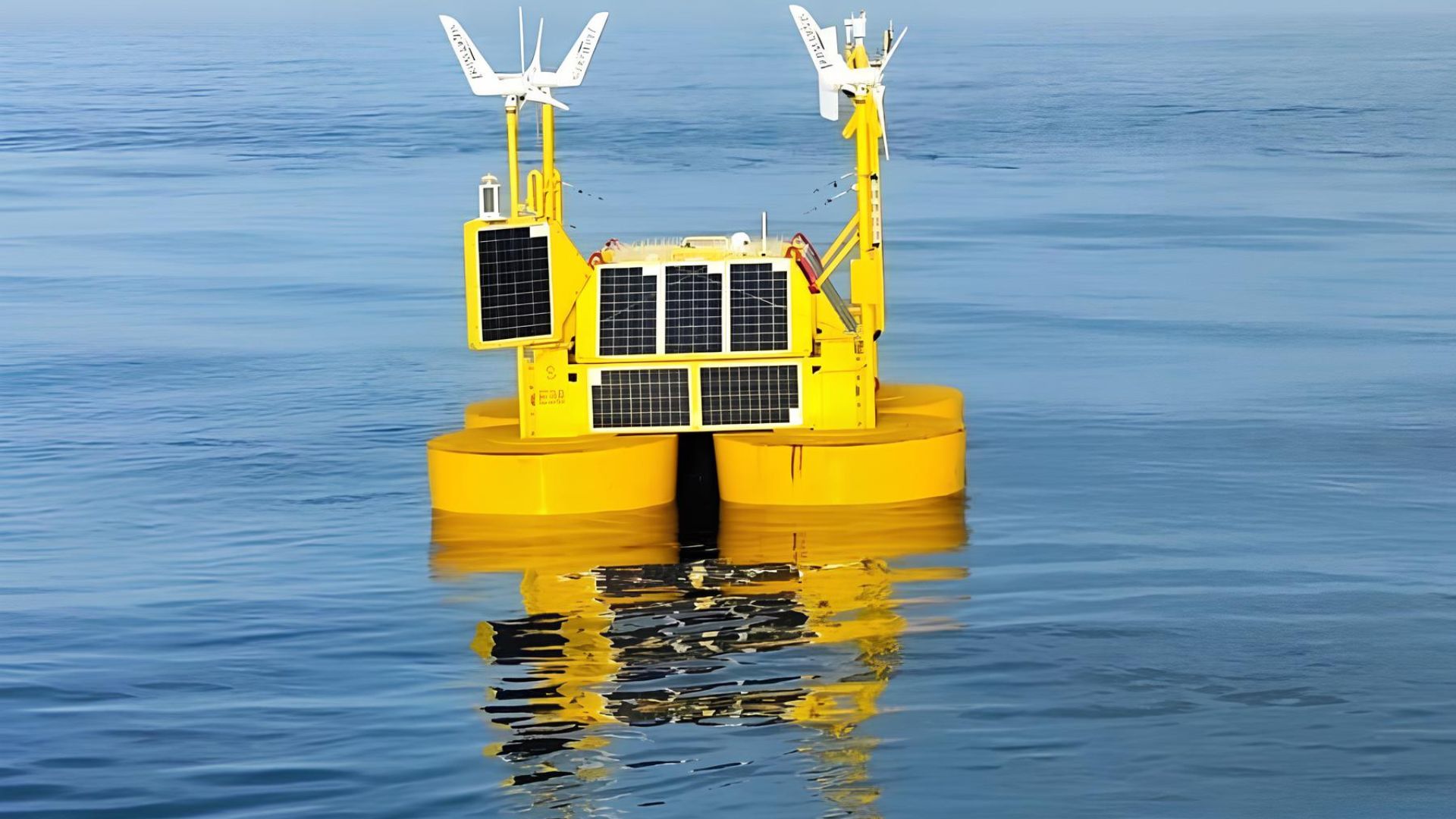

TGS and EOLOS Announce Floating LiDAR Solution to Boost Offshore Wind Energy Projects in Brazil, Bringing Innovation in Renewable Energy and Increasing Opportunities for Sustainable Investment
This Monday (27), a strategic alliance between the European companies TGS and EOLOS was announced, bringing to Brazil advanced measurement technologies with floating LiDAR. The initiative aims to accelerate the development of offshore wind energy projects, harnessing the vast potential of the Brazilian coast for renewable energy.
Brazil Receives Cutting-Edge Technology for Offshore Wind Energy
According to Offshore Wind Biz, the collaboration between these two global leaders aims to provide high-precision data to enable projects in deep waters, contributing directly to the country’s energy transition.
The arrival of TGS and EOLOS represents a significant advance for the renewable energy sector in Brazil. TGS, specialized in energy intelligence, and EOLOS, a leader in floating LiDAR solutions, join forces to offer wind measurement and analysis services in strategic areas along the Brazilian coastline.
-
Fired during apartheid and with a little borrowed money, an electrician started with a borrowed truck and transformed electrical services into a group connected to energy, real estate, and infrastructure in South Africa.

-
Wood has ceased to be just a construction material in Yale research and has become insulation for electrical transformers that face intense heat, aging, and increasing pressure from the renewable energy-powered grid.
-
More than 1,000 residents of a remote island in Kiribati now have clean water and electricity with solar systems operated by the community itself.
-
Ceará brings together 7 giants and R$ 66 billion to transform Pecém into the largest green hydrogen hub in Brazil, with final decisions expected by the end of 2026.


This partnership is a game changer for the national offshore wind energy market. With the use of buoys equipped with LiDAR sensors, it will be possible to collect meteorological and oceanographic data with high precision, essential for the planning and execution of offshore wind farms.
Although it has not been officially stated, the expectation is that the initial focus will be on the Northeast and Southeast regions, as there is greater incidence of constant winds and adequate port infrastructure to support large enterprises.
Floating LiDAR: Innovation That Transforms the Sector
The floating LiDAR technology uses laser beams to measure wind speed and direction at different altitudes. This data is essential for determining the ideal positioning of turbines and sizing the capacity of offshore wind farms.
Unlike fixed meteorological towers, floating LiDAR is more economical, flexible, and less invasive to the environment. It allows measurements in remote and deep locations where conventional structures would be unfeasible. Additionally, real-time data collection and integration with digital platforms, such as those from TGS, ensure greater efficiency in analysis and decision-making.
Within the partnership, TGS will be responsible for managing contracts with clients, planning campaigns, deploying equipment, and conducting operations. EOLOS, in turn, will act as a subcontractor, providing its floating LiDAR systems FLS200 for wind, metocean, and environmental measurement services.
Renewable Energy and the Economic Impacts of the New Partnership
Offshore wind energy is one of the most promising sources for expanding renewable energy worldwide. According to the International Energy Agency (IEA), the global potential of this source could meet up to 18 times the current electricity demand.
In Brazil, the estimated technical potential for offshore wind energy exceeds 700 GW, according to data from the Ministry of Mines and Energy. With the entry of companies like TGS and EOLOS, the country positions itself more competitively in the international scenario.
The offshore wind energy supply chain could generate more than 77,000 direct and indirect jobs by 2035, in addition to attracting billions in investments in infrastructure, logistics, and technology.
TGS and EOLOS: International Experience in Favor of Brazil
TGS operates in over 30 countries, providing solutions in geophysical data and energy intelligence. EOLOS is globally recognized for its floating LiDAR technology, having participated in projects in regions such as the North Sea, the Mediterranean, and the Gulf of Mexico.
The partnership of these companies brings to Brazil international know-how and access to cutting-edge technologies. This strengthens the national capacity to develop complex projects with greater security and predictability. According to Julian Harland, Sales Director of EOLOS, TGS is recognized as a consolidated partner of their company, having worked in regions that served as references for the implementation of the agreement in Brazil.
Its proven experience in the offshore sector, combined with the technical expertise developed in previous collaborations, the existing infrastructure in the country, and the interest in complementing local services with floating LiDAR technology, positions TGS as a familiar choice for both end clients and EOLOS’s team.
Offshore Wind Energy: Challenges and Opportunities
Despite the enormous potential, the offshore wind energy market in Brazil still faces regulatory, logistical, and financial challenges. The absence of a specific legal framework and the complexity of environmental licensing are obstacles that need to be overcome.
However, initiatives like those of TGS and EOLOS demonstrate that the private sector is willing to invest and collaborate with market development. The presence of international players can accelerate the creation of a clearer and more attractive regulatory environment.
Moreover, technological advancements and falling equipment costs make projects increasingly economically viable, even in deep waters.
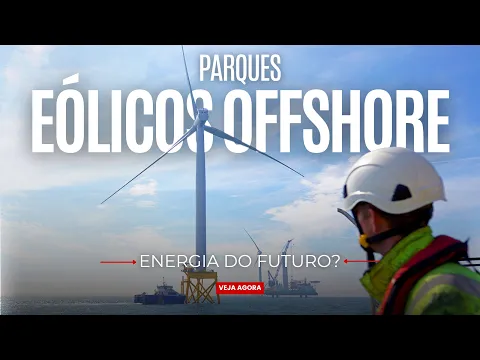

Floating LiDAR and Energy Intelligence: Pillars of Transformation
The combination of floating LiDAR and energy intelligence platforms represents a revolution in how offshore wind energy projects are conceived and executed.
With precise and real-time data, it is possible to reduce risks, optimize investments, and increase operational efficiency. This translates into more sustainable, profitable projects aligned with global climate goals.
The integration of these technologies also allows for greater transparency and control over environmental impacts, facilitating dialogue with local communities and regulatory bodies.
Renewable Energy as a Vector for Sustainable Development
The transition to clean sources is a global priority, and Brazil has favorable conditions to lead this movement. Renewable energy, especially offshore wind, can become one of the pillars of the new Brazilian energy matrix.
In addition to reducing dependence on fossil fuels, renewable energy promotes social inclusion, regional development, and technological innovation. With appropriate public policies and strategic partnerships, the country can transform its natural potential into economic and environmental prosperity.
The arrival of TGS and EOLOS is a concrete example of how international collaboration can accelerate this process, bringing benefits to all of society.
Prospects for the Future of Offshore Wind Energy in Brazil
The partnership between TGS and EOLOS marks the beginning of a new era for the offshore wind energy sector in Brazil. With the introduction of floating LiDAR and the use of advanced energy intelligence, the country is moving closer to a more sustainable and competitive future.
Renewable energy gains a new momentum with technologies that allow for the exploration of the immense potential of Brazilian maritime winds. By uniting innovation, international experience, and environmental commitment, Brazil positions itself as a protagonist in the global energy transition.
In the coming years, it will be essential to monitor the evolution of projects, the advancement of regulations, and market response. If well managed, the sector can become one of the engines of national development, generating jobs, attracting investments, and contributing to a cleaner planet.