Portuguese
  Spanish


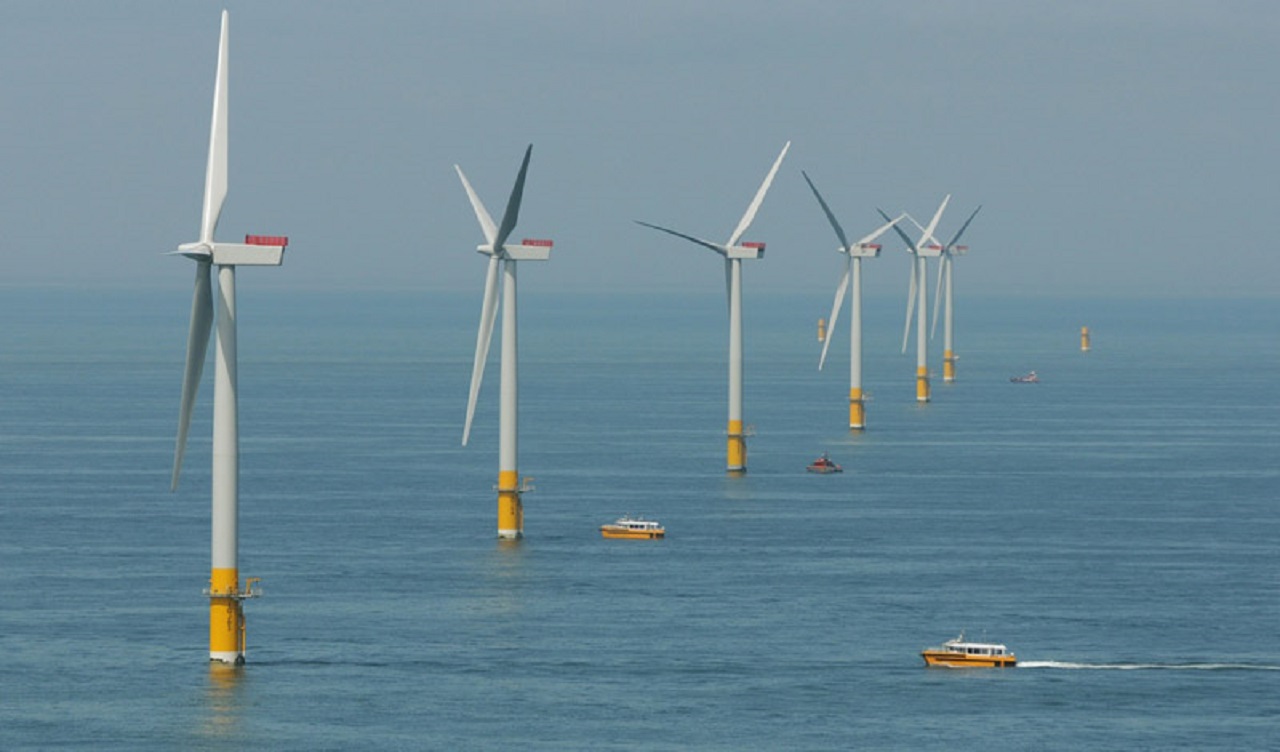

U.S. President Proposes Wind Farm in the Gulf of Mexico to Promote Renewable Energy. The Expectation Is to Generate 30 GW by 2030.
U.S. President Joe Biden announced last Wednesday (22) an ambitious plan to install offshore wind farms along the country’s coastline, starting with the Gulf of Mexico. The first licensing sale has already been conducted for an offshore wind farm that could provide renewable energy for up to 10 million people. This massive wind farm has the potential to be a significant milestone in the country’s energy transition and contribute significantly to reducing greenhouse gas emissions.
Gulf Wind Farm Could Reach 30 GW of Clean Energy
The proposal made by Biden could create a super wind farm with turbines capable of generating a total of 30 GW of renewable energy by 2030 to help combat climate change.
With this installed capacity, the generated energy could be sufficient to power a country like Portugal. This announcement comes after the approval by the U.S. energy agency of the first two offshore wind projects in the U.S. at a commercial scale, despite recent discussions about the potential effects on marine life.
-
Brazilian scientists are simultaneously advancing two research projects on clean hydrogen and driving solutions that could transform the energy matrix, enhance industrial competitiveness, and accelerate large-scale emission reduction targets.

-
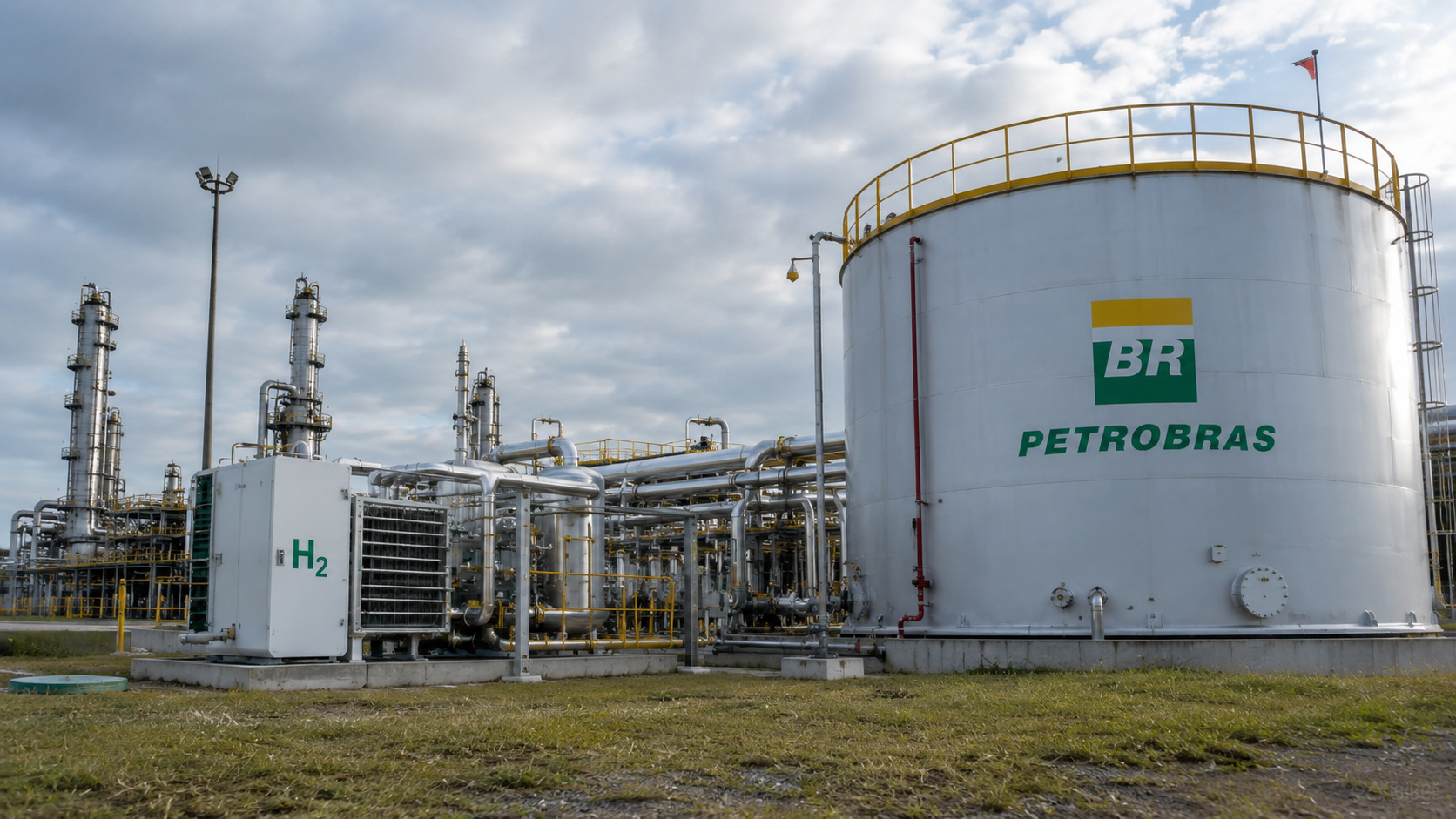
Advancement in renewable energy: A R$ 150 million project launched by Petrobras and Finep aims to create state-of-the-art electrolyzers for green hydrogen, strengthening national research and preparing Brazil to compete in a billion-dollar energy market.
-
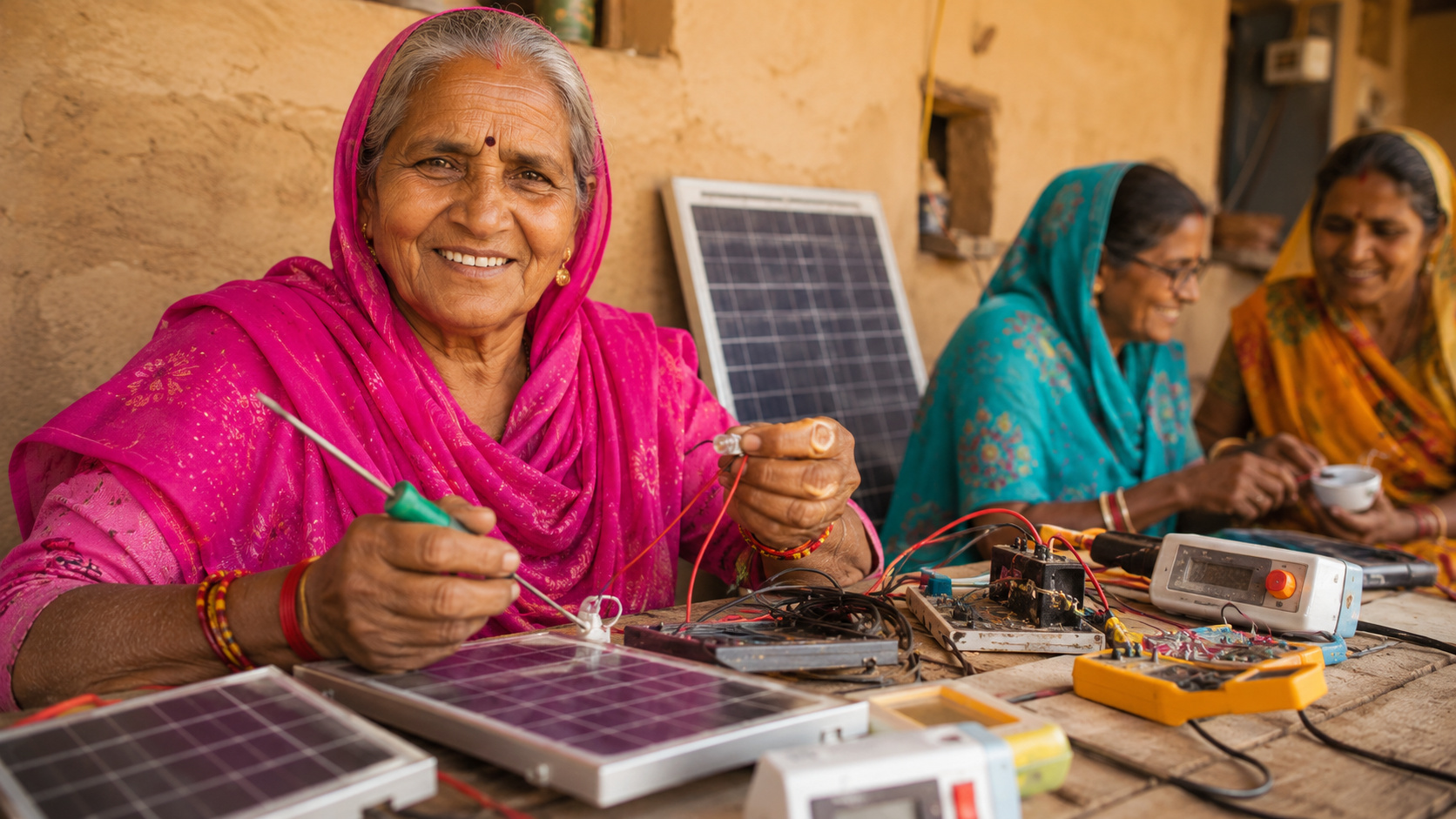
Illiterate or semi-literate grandmothers were trained to repair solar systems, open rural workshops, and light up homes that still depended on kerosene.
-
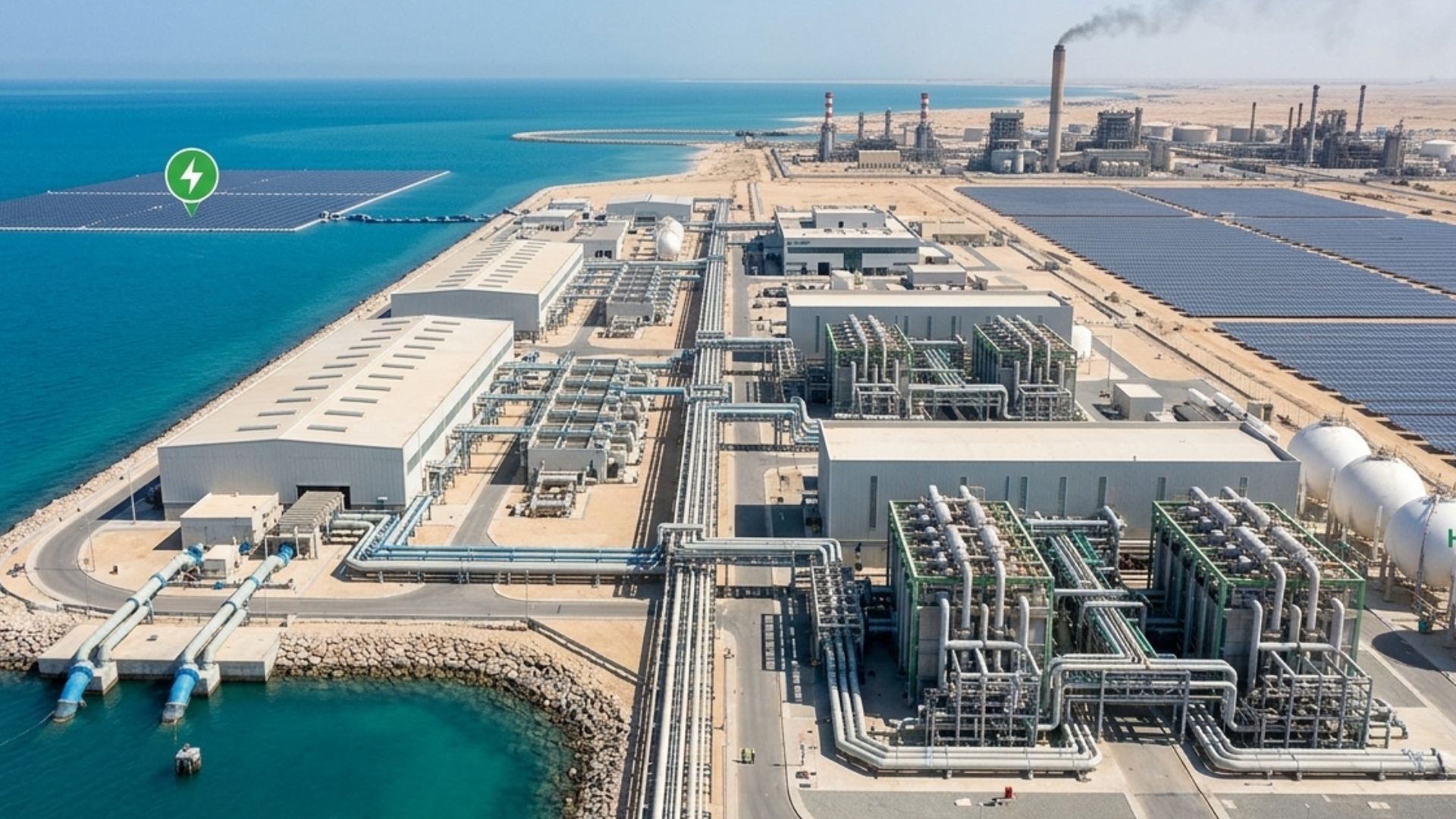
The world has bet on green hydrogen as the fuel of the future, but now faces the side effect: producing 1 kilogram requires about 9 liters of ultrapure water, and the largest projects on the planet are precisely in the driest regions of the Earth, where water is already scarce for people.


An area larger than 102 acres off the coast of Lake Charles, Louisiana, and two areas off the coast of Galveston, Texas, totaling approximately 200 acres, have already been approved. The Gulf of Mexico has historically been a location closely associated with oil and gas extraction; however, the current objective of the U.S. president aims to end new licensing for fossil fuels.
The proposed sale, which could happen this summer, includes the previously mentioned areas for approximately 3.6 GW of clean energy, enough to power about 1.3 million homes.
Gulf of Mexico Is the Main Offshore Source of Oil and Gas
The Bureau of Ocean Energy Management plans to open a two-month public comment period. The Lake Charles offshore sector may be modified and possibly reduced based on the comments received, and BOEM may decide to offer only one of the two proposed leasing areas in Galveston.
The Gulf is the main offshore source of oil and gas in the country, generating about 97% of all production in the U.S. Outer Continental Shelf of oil and gas. The National Ocean Industries Association, which represents traditional offshore oil, gas, and wind energy companies, states that the wind farm, alongside regular and predictable offshore oil and gas leasing, could help the Gulf of Mexico expand its irreplaceable and remarkable energy portfolio.
Biden Announces Renewable Energy Plans for Fall
In addition to the plans for 2030, Biden also announced plans in the fall to develop floating platforms in deep ocean for wind towers that could greatly expand offshore wind energy in the U.S., with up to 15 GW of clean energy from floating sites by 2035, to power 5 million homes.
Interior Secretary Deb Haaland, who announced the proposed sale last Wednesday, states that there is no time to make bold investments to tackle the climate crisis. Developing a strong domestic offshore wind industry is key to facing this challenge.
Scientists assert that clean energy, such as wind energy, must replace coal and gas-burning energy as quickly as possible to mitigate the severity of climate disturbances. Danish wind developer Orsted is already conducting investments in infrastructure and vessels in the Gulf region for its planned offshore wind farms in the U.S.