Portuguese
  Spanish


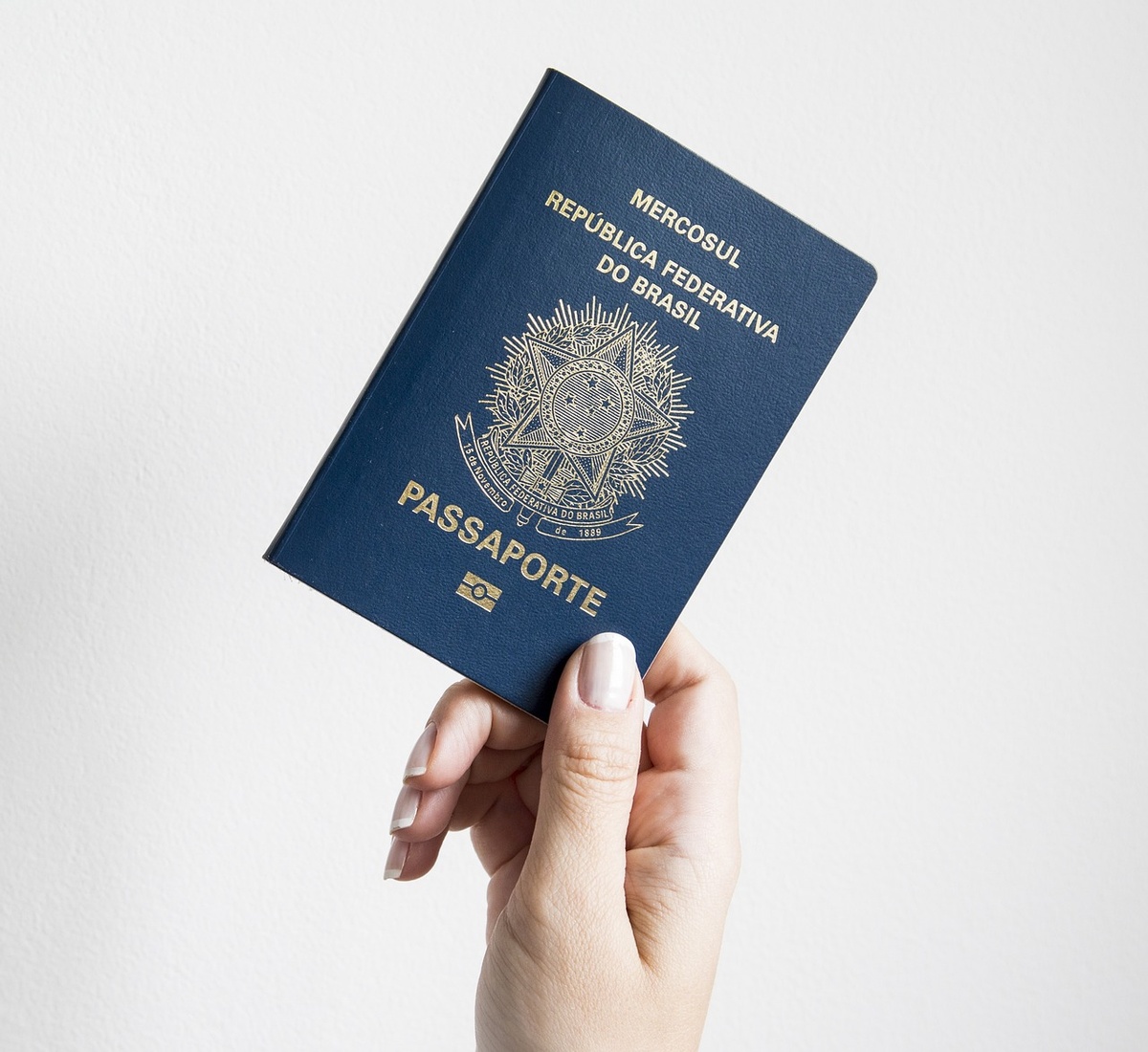

Learn How Brazil Established Itself Among the Most Qualified Passports in the World
The Brazilian passport advanced to the 16th position in the 2025 Henley Passport Index.
It guarantees visa-free access to 170 countries.
Increasing its relevance, it now holds the same level as Argentina and San Marino.
-
European Parliament Approves Digital Euro, Aiming to Challenge Visa and Mastercard’s Dominance and Transform Payments Across Europe by 2029

-
Israel finds Hezbollah militarized tunnel over 200 meters long under village, with 4 missile launch shafts, 12 chambers, anti-tank missiles, drones, and weapons depots at a depth of 25 meters.

-
Ukraine launches largest drone attack on Moscow since 2022, Russia claims to have intercepted nearly 200 aircraft near the capital, Kapotnya refinery targeted again, and offensive reignites alert about war reaching the Russian energy heart just a few kilometers from the Kremlin.

-
Truck drivers, freight, and fines from 2022 take center stage in politics: Chamber approves MP with amnesty, mandatory tracking by CIOT, million-dollar penalties, and new minimum wage for those who spend more than 24 hours on the road.




Learn the details and implications of this achievement.
Ranking and Recent Evolution
The survey released on July 22, 2025 showed that Brazil climbed one position.
It is now in 16th place among 199 passports analyzed by Henley & Partners.
The data was obtained based on information from IATA.
- There are 170 destinations without the need for a visa.
- Brazil is tied with Argentina and San Marino.
- Both South American countries are behind Chile, in 14th place, with access to 176 destinations.


Economic and Diplomatic Importance
Furthermore, this performance reflects the growth of Brazilian global mobility.
According to IATA, there has been an increase in demand for international tourism and foreign investments.
This progress reinforces Brazil’s diplomatic and economic influence on the international stage.
The appreciation of the national passport also positively impacts the country’s image abroad.
It facilitates business, exchanges, and consular relations.
Regional and Global Context
Meanwhile, the leaders of the ranking continue to be Asian and European countries.
Singapore leads with access to 193 destinations without a visa.
Japan and South Korea follow closely with 190 destinations.
Countries like France, Germany, and Italy appear with 189 destinations in total.
The United States has fallen to 10th place, with 182 destinations.
The United Kingdom has also lost positions, reflecting recent geopolitical changes.
Trends and Projections
The Henley global ranking considers 227 destinations; moreover, it includes nations, territories, and microstates.
This classification is regularly updated; therefore, it uses official data from IATA.
Over the last ten years, the global average of visa-free access has nearly doubled; thus, more people are traveling freely.
In 2006, there were only 58 destinations available without a visa; however, this situation changed rapidly.
Currently, in 2025, the average number has risen to 109 destinations; therefore, it has almost doubled in less than 20 years.
Meanwhile, Brazil has maintained steady growth over time; thus it has consolidated itself in the elite group.
Relevance for the Brazilian Citizen
Thus, the advancement of the Brazilian passport directly impacts the population, as it facilitates access to various tourist and commercial destinations.
Additionally, official and leisure travel becomes less bureaucratic, which stimulates cultural and economic exchanges between countries.
Therefore, there is a direct influence on the exchange rate, as well as on investments directed towards the tourism sector in Brazil.
With this, the country expands its freedom of circulation, which significantly strengthens its presence in the international arena.
At the same time, this competitive advantage provides Brazilians with more opportunities and mobility, especially in business and educational environments.