





 Portuguese
  English
  Spanish
  4 min of reading
  2 comments


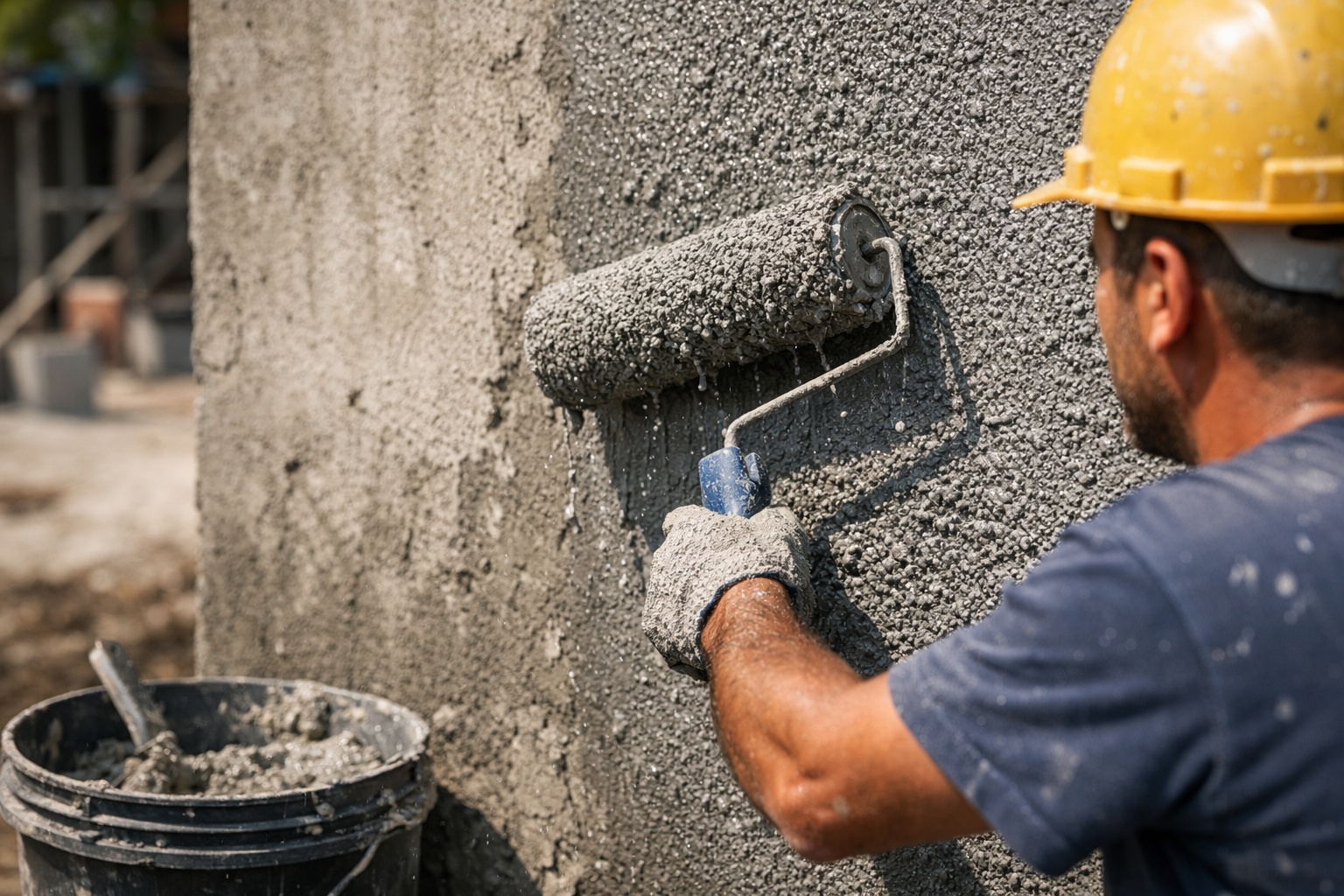


Rolled Plastering Technique with ACIII Mortar and Fine Sand Allows for Regularizing External Walls, Creating Modern Rustic Texture, and Reducing Costs to Around R$ 8 per m².
Regularizing an external wall generally means applying fine plaster, acrylic putty, and then paint. Each step adds material, time, and cost. However, in many construction sites, bricklayers have been adopting a leaner solution: rolled plaster prepared with ACIII mortar mixed with fine sand and applied with a thick foam roller.
The technique is not new, but it has gained traction because it combines high adhesion, decorative texture, and surface resistance in a single application. The result is a visually uniform wall, with a contemporary rustic finish and fewer steps.
What Changes from Traditional Plaster to Rolled Plaster
Traditional plaster is thrown with a trowel to create roughness before the plastering. In contrast, rolled plaster is spread with a roller, forming a continuous granular layer.
-
While Brazil has been discussing the Maracanã renovation for 25 years and struggles to keep the Arena MorumBis open, Abu Dhabi signs a $1.7 billion deal to build the world’s second Sphere on an artificial island, with 20,000 seats, by 2029.

-
The Brazilian state will receive its own submarine cable and a billion-dollar supercomputer, and the state will no longer rely exclusively on Ceará, which currently handles 90% of all internet traffic circulating in Brazil.

-
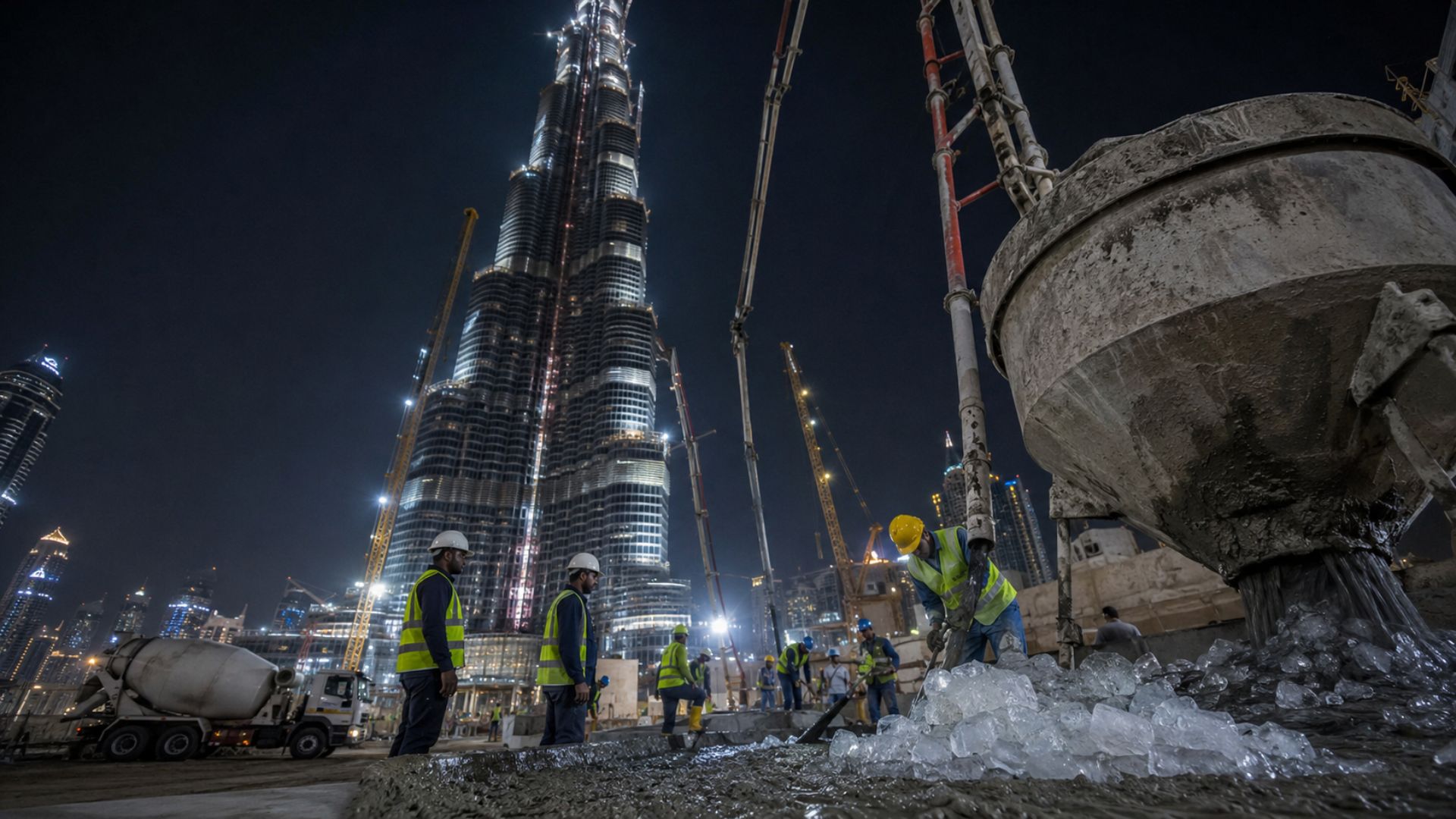
Engineers had to pour concrete mixed with tons of ice throughout entire nights in the Dubai desert to erect the Burj Khalifa; any carelessness could clog the pipes half a mile high.
-
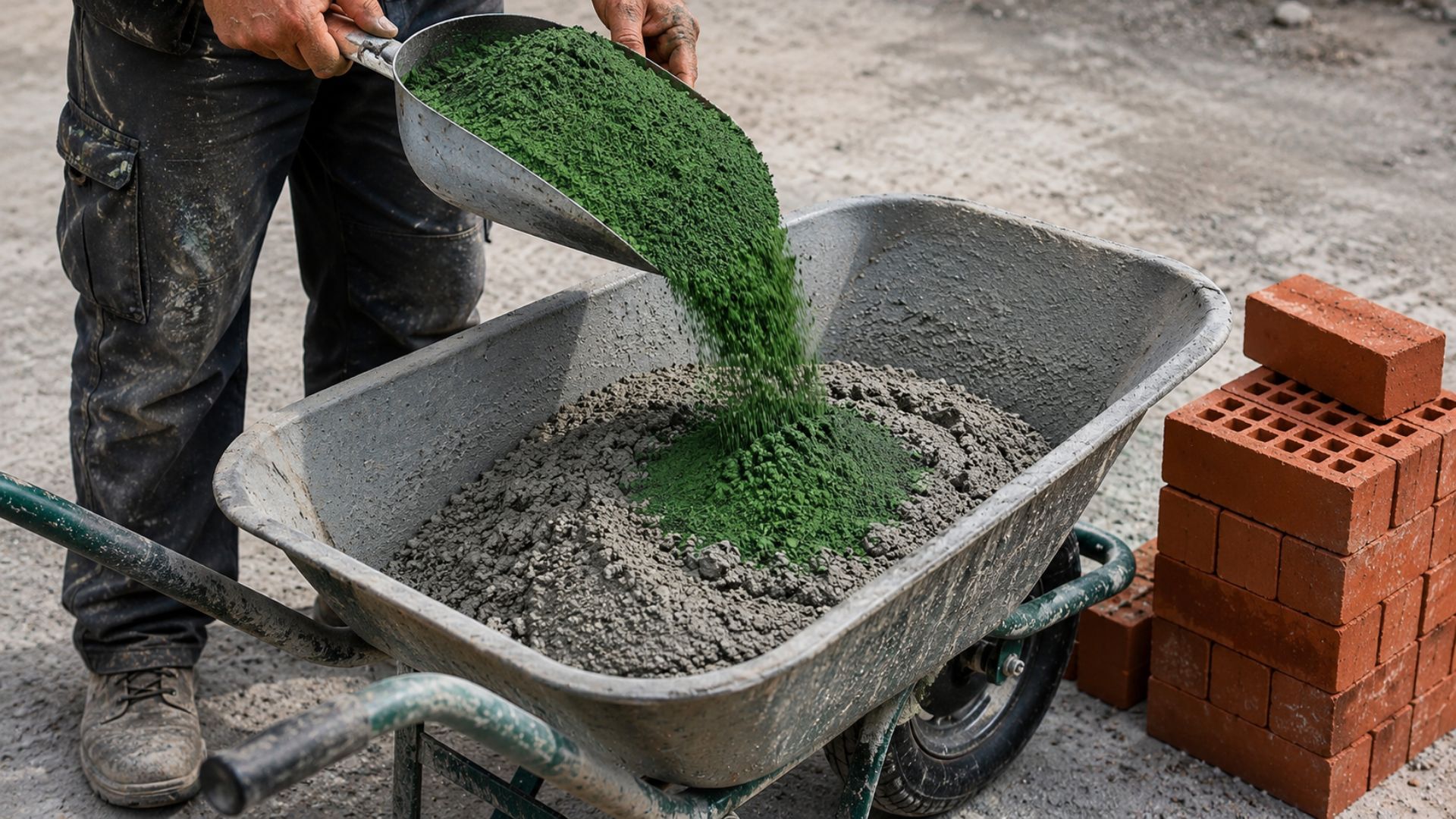
A homemade technique is going viral among construction workers throughout Brazil and promises to renew thick floors without needing to spend on tiles. All you need is AC3 mortar, burnt cement, and a bit of wood glue to transform the appearance of the house.


This difference in application changes the final effect. Instead of serving only as a base for another layer, rolled plaster can function as a visible finish. The uniform texture helps to disguise small surface irregularities and eliminates the need to keep the wall completely smooth. The texture becomes part of the finish, not just preparation.
Why ACIII Mortar is Used in This Mixture
The ACIII mortar is classified as high-adhesion adhesive. It contains additives that increase bonding to the substrate, especially on smooth concrete or structural block surfaces.
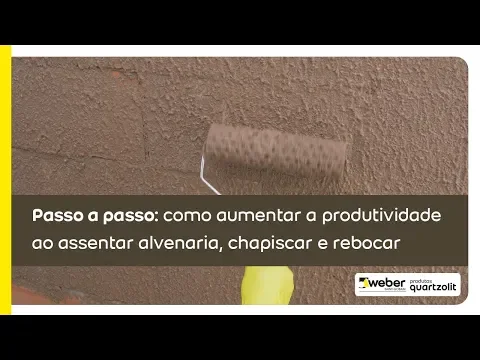

When mixed with fine sand, the mortar gains better spreadability and creates an appropriate granulometry for the texturized effect. The sand reduces the cost per square meter and helps control the relief.
This combination allows the applied layer to have good adhesion and surface resistance. The high adhesion ensures that the texture does not detach over time.
How the Application is Done in Practice
The process begins with the cleaning of the wall. Dust, loose parts, and debris need to be removed to ensure adequate bonding.
The mixture of the mortar with fine sand should reach a paste-like consistency, but not liquid. Next, the thick foam roller deposits the mortar onto the surface in crossed movements, creating the texturized pattern.
Visual Regularization Without Additional Putty
Rolled plaster does not correct significant structural undulations. It does not replace plastering when there are important unevenness.
What it does is to visually standardize the surface. Small marks, tone differences, and superficial micro-cracks become less noticeable because the texture creates continuous relief.
The texturized finish breaks light and reduces the perception of imperfections. This is the point that allows for the omission of additional putty or acrylic putty in many cases.
Waterproofing in Its Own Layer

When the mixture receives a waterproofing additive or when the subsequent system includes proper external paint, the wall has reduced water absorption.
Even without a specific additive, the additional layer of mortar already reduces the direct exposure of the substrate to rain. In simple facades, this solution helps to reduce moisture stains and superficial infiltrations.
Protection against water depends on the application set and the final paint when applicable.
Cost per Square Meter
The cost per square meter varies according to the local price of ACIII mortar and fine sand. In applications with a light layer and controlled yield, the material cost can be around R$ 8 per square meter.
In comparison, systems with acrylic putty, preparatory primer, and additional coats of paint tend to significantly increase the final value of the facade.
Cost savings primarily appear in the reduction of steps and lower consumption of complementary materials.
Where the Technique Works Best
Rolled plaster is mainly used in:
- External walls
- Single-story house facades
- Garages and service areas
- Newly plastered walls that need finishing
In projects that prioritize a minimalistic or industrial aesthetic, the rustic finish has become an intentional visual option.
Modern Rustic Texture
The pattern created by the roller can vary depending on the type of foam used. Open rollers create more pronounced relief; closed rollers generate a more subtle texture.

After drying, the surface can receive white, gray, or earthy tones, reinforcing the contemporary aspect. The uniform texture creates visual identity and reduces the need for more expensive coatings.
Technical Limitations
The technique does not replace:
- Deep structural corrections
- Structural waterproofing of foundations
- Plastering on out-of-plumb walls
It acts as a functional finishing layer.
Rolled plaster with ACIII mortar and fine sand has consolidated as a practical alternative for visual regularization of external walls. By combining high adhesion, decorative texture, and reduction of steps, the technique allows for modern rustic finishing with reduced material costs. The efficiency of the result depends on the adequate preparation of the surface and the uniform application of the mixture.
When applied correctly, the wall gains a renewed appearance, requiring less additional putty and providing performance compatible with external use, making it a viable solution for those seeking savings without sacrificing a consistent finish.








Qual o traço Argamassa:Areia?
Qual aditivo impermeabilizante é recomendado?
Tenho sobra de argamassa de reboco fino, poderia ser usada no lugar da areia fina?
Quanto de argamassa e areia?