






 Portuguese
  Spanish
  4 min of reading
  0 comments


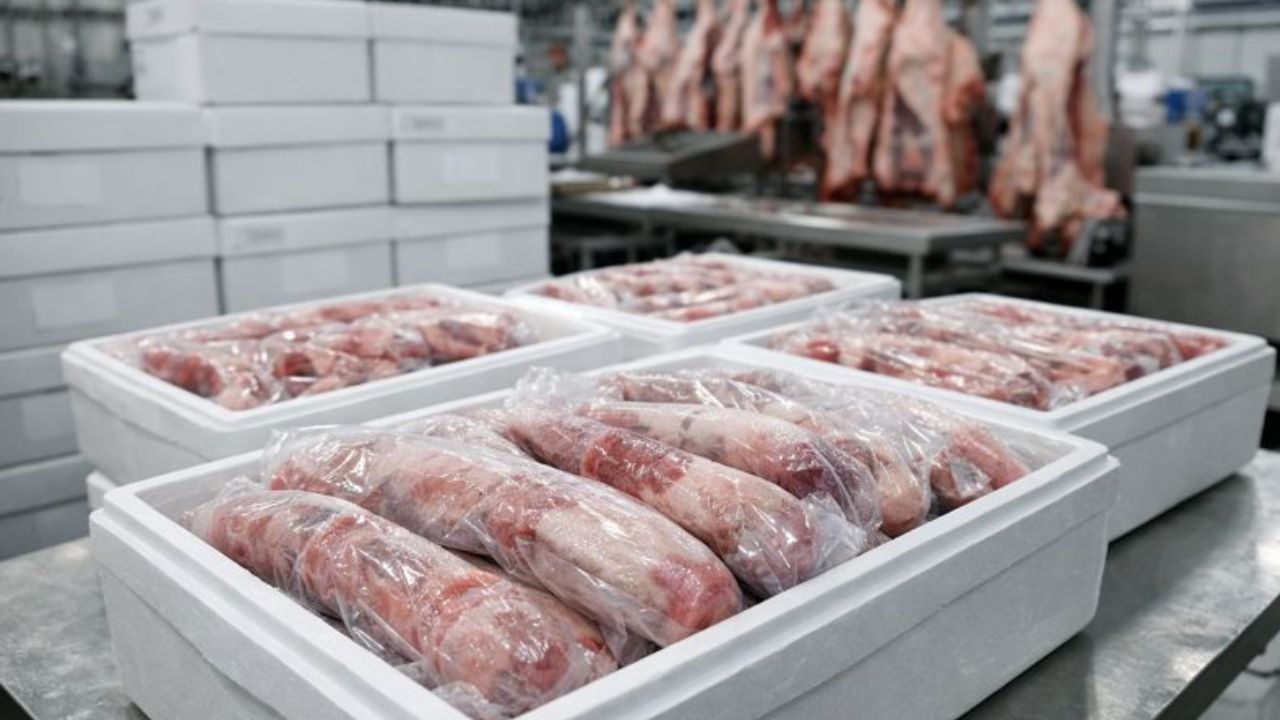
Bovine Penis Reaches US$ 6 Thousand Per Ton In The Chinese Market And Strengthens Meat Exports, Increasing The Profitability Of Brazilian Cattle.
The export of bovine penis has gained relevance in the Brazilian meat agenda aimed at the Chinese market, becoming one of the most valued by-products of cattle. The item, technically known as “vergalho,” is continuously marketed, follows strict sanitary protocols, and can reach up to US$ 6 thousand per ton.
The movement mainly occurs from Mato Grosso, where the production chain has reorganized to fully utilize the animal and increase export profitability.
This advancement is driven by Asian cultural habits, especially in China, where the complete consumption of cattle is part of the food tradition.
-
Low-Demand Brazilian Beef Offal Gains Popularity Abroad: Indonesia Purchases $19.5 Million, Boosting Revenue and Reducing Waste

-
Soy Expansion in Former Brazilian Savanna Sparks Water and Land Conflicts in Major Agricultural Frontier
-
Mexican Pest Threatens U.S. Cattle Herds at Historic Lows, Potentially Boosting Brazilian Beef Exports as Burger Prices Soar

-
Avocado Boom for European and U.S. Markets Fuels Water Crisis in Drought-Stricken Chilean Region





Thus, cuts that are less valued in the Brazilian domestic market find consistent demand abroad.
As a result, the export of bovine penis has become an additional source of revenue for slaughterhouses and cattle ranchers.
See More: Pronara Targets Ultra-Hazardous Pesticides And Rekindles Debate On Agrochemicals
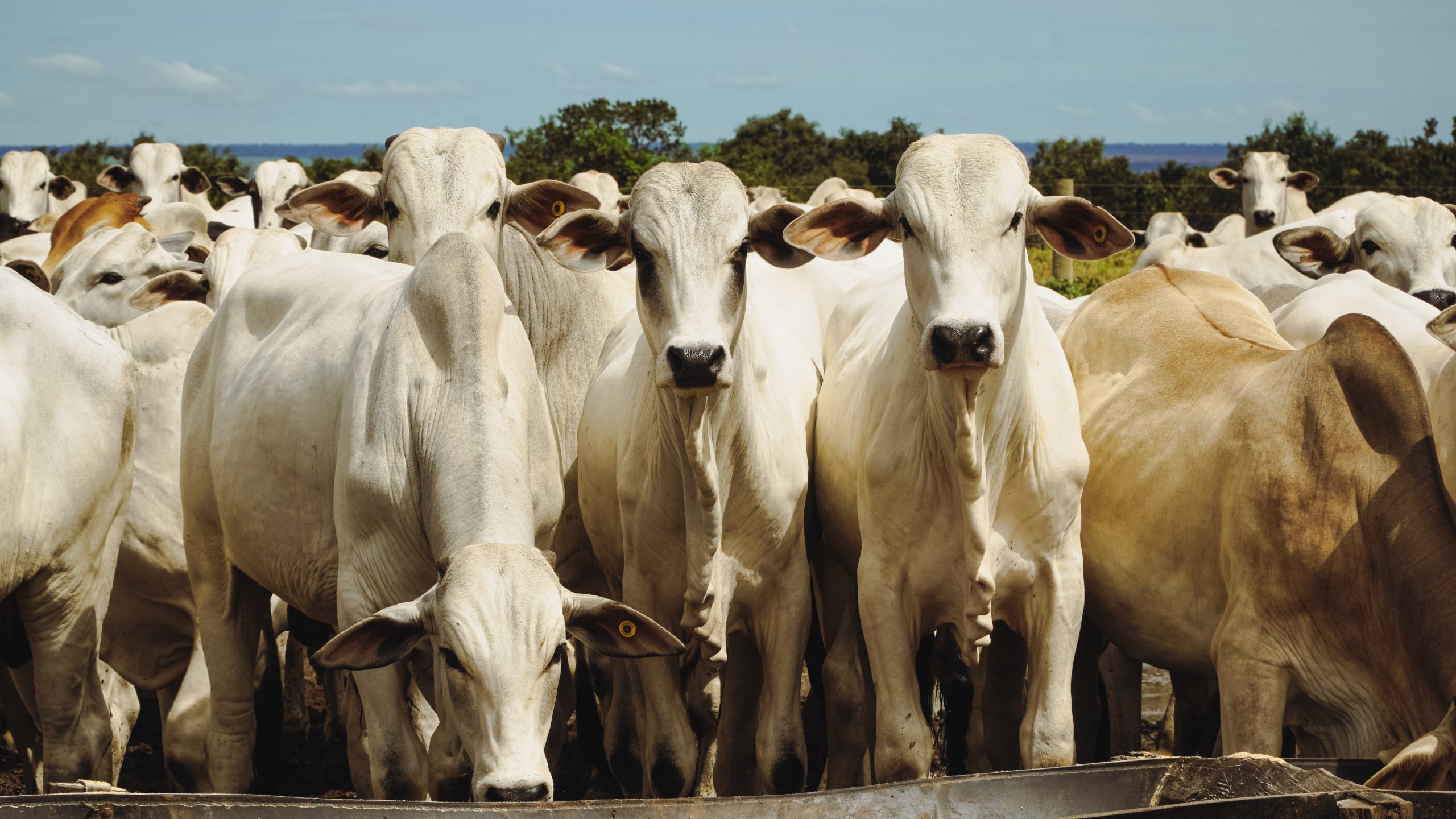
Chinese Market Values Full Utilization Of Cattle
In the Chinese market, the consumption logic differs from that observed in Brazil. While here the focus is usually on premium cuts, such as picanha and maminha, in China there is room for practically all parts of the cattle.
Bovine penis is used in stews, soups, and traditional recipes, being appreciated for its texture and its ability to absorb seasonings and broths.
This consumption pattern sustains stable demand. According to the Mato Grosso Meat Institute, this strategy helps to reduce waste and increase the economic efficiency of the meat production chain.
Thus, the full utilization of cattle turns into a competitive advantage for Brazil in international trade.
See More: Sugar Prices Falling Halt Investments In Sugarcane
Regular Export And Consolidated Market
According to the marketing manager of SulBeef, Alan Gutierrez, the export of the by-product occurs continuously.
“The sale of fresh vergalho is continuous, with an average monthly volume of between four and five tons,” he claims.
According to him, this regularity indicates that bovine penis already has a consolidated market abroad.
Meanwhile, in the Brazilian domestic market, the product has a very different destination. It is usually used as a dog treat and sold at lower prices, with an average value of around R$ 21 per kilo.
This difference highlights the potential for valuing the item when directed towards meat exports to China.
Added Value Increases The Profitability Of Brazilian Meat
In international trade, bovine penis can reach significantly higher prices. Exported fresh, the product complies with specific sanitary requirements imposed by importing countries, which adds value and ensures food safety.
As a result, Brazilian meat enhances its competitiveness and diversifies its portfolio of items intended for the Chinese market.
For Bruno de Jesus Andrade, project director of the Mato Grosso Meat Institute, this movement reflects the maturity of the sector.
“Mato Grosso has a robust, efficient cattle industry that is increasingly aligned with international requirements. The ability to access different markets, including for by-products, shows the level of organization of the production chain,” he states.
Diversification Reduces Risks And Strengthens Export
In addition to increasing profitability, product and destination diversification reduces the sector’s exposure to market fluctuations.
By catering to different consumer profiles, Brazilian meat gains resilience and expands its global presence.
In this context, bovine penis ceases to be a marginal by-product and becomes part of a broader export strategy.
According to Andrade, this logic strengthens the entire production chain. “When we expand the portfolio and cater to markets with different consumer profiles, we increase the competitiveness of meat produced in Mato Grosso on the global stage,” he concludes.
Trend Strengthens Brazil’s Role In The Chinese Market
With China maintaining its position as the main destination for Brazilian beef, the appreciation of by-products such as bovine penis is likely to gain even more space.
The combination of Asian cultural tradition, productive efficiency, and logistical capacity places Brazil in a strategic position.
Thus, by transforming the full utilization of cattle into a business opportunity, Brazilian exports reinforce their relevance in the Chinese market and expand the frontiers of national meat in international trade.





-

1 person reacted to this.