Portuguese
  Spanish


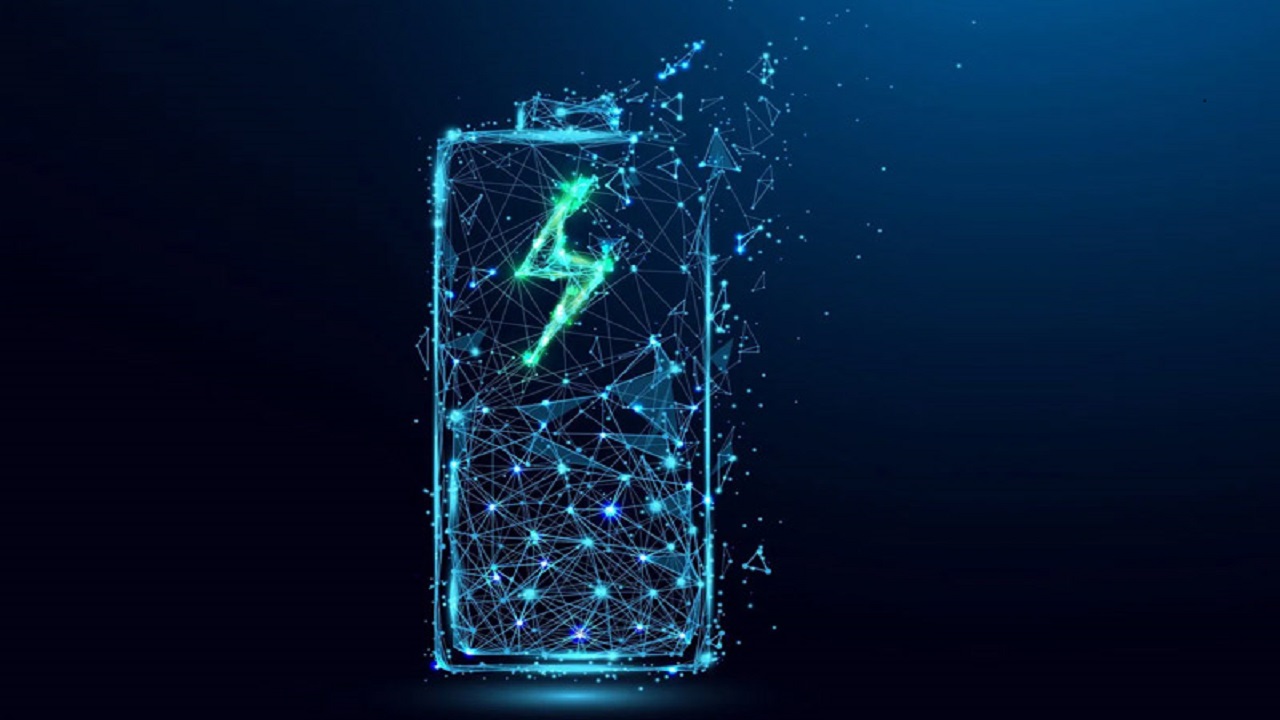

Brazilian Researchers Discovered A Way To Improve The Performance Of Lithium-Oxygen Batteries. In Their Composition, The Batteries Promise Not To Use Expensive Precious Materials
Brazilian researchers are making progress in creating the necessary catalysts for optimizing lithium-oxygen batteries. These batteries stand out for their ability to store more energy than conventional ones, but it is still necessary to improve their cycling capability and the number of recharges the component allows, defining their lifespan. According to professor Gustavo Doubek from Unicamp and CINE, the work contributes to the development of a lithium-oxygen battery with better cycle efficiency, without needing precious or expensive materials.
Read Other Related News
Understand How The Battery That Does Not Use Precious Materials Works
The operation of lithium-oxygen batteries, which are being developed by Brazilian researchers, is based on the reaction of lithium ions with oxygen from the air. When the battery’s electricity is used, the reaction generates lithium peroxide, among other compounds.
When being recharged, the formed products decompose, preparing the battery for new use. The charge-discharge cycle is repeated, and for the lithium-oxygen battery to perform well, even after many cycles, it is necessary for all the lithium peroxide generated to decompose quickly.
-
End of an era in Brazil: beloved sedan by Brazilians is discontinued despite having a 2.0 engine with 151 hp, CVT transmission, 466-liter trunk, and up to 650 km of range.

-
New Law Proposal in Brazil Could Heavily Penalize Drivers: Dangerous Overtaking May Become a Serious Offense with Fines Increased Tenfold and a 12-Month License Suspension; Update on 2026 Progress

-
Electric Revolution: Watts W125 Motorcycle Offers 160 km Range, 90 km/h Speed, and Affordable Price Starting at $3,000
-
General Motors Replaces Over a Thousand Workers with 50 Cobots at Electric Vehicle Plant, UAW Union Criticizes Move Amid Industry’s Automation Push


Therefore, several researchers worldwide have been working to create catalysts that can promote the decomposition of lithium peroxide, while also being low-cost, durable, and high-performance without using precious materials.
Brazilian Researchers Are Confident About The Advancement And Success Of Lithium-Oxygen Batteries
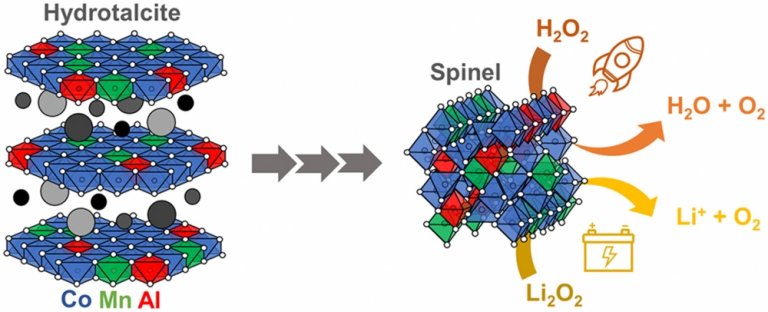
Metal oxides from the spinel family, based on manganese, aluminum, and cobalt, are among the most promising materials for lithium-oxygen batteries. Such catalysts can be generated through a simple two-step method: Initially, the precipitation of a solution generates manganese, aluminum, and cobalt oxides, mainly from the hydrocalcite family, which are lamellar materials.
In the second step, to produce the spinels, a thermal treatment at 900°C is required. This method had already been used by other Brazilian researchers to generate catalysts used to decompose lithium-oxygen for micropropulsion in satellites.
It was at this stage that CINE researchers got involved, seeking to optimize the cycling capability of batteries that do not use precious materials. To this end, they teamed up with the team from the National Institute for Space Research (INPE), who were already working on the application of the catalysts.
Could Lithium-Oxygen Batteries Be The Future Of Electric Cars?
The team began by analyzing in detail the method to obtain the spinels, seeking parameters that impacted the final performance of the materials as catalysts for peroxide decomposition.
The researchers altered various synthesis conditions and examined the characteristics of each of the materials found, mainly their mechanical strength and catalytic activity. The materials with the best characteristics were tested as catalysts in a lithium-oxygen battery that does not use precious materials.
To this end, the team developed a cathode, which consists of particles up to 200 nanometers capable of decomposing almost all lithium peroxide, significantly improving the performance of the batteries, and to everyone’s surprise, it also improved the discharge.