





 Portuguese
  English
  Spanish
  2 min of reading


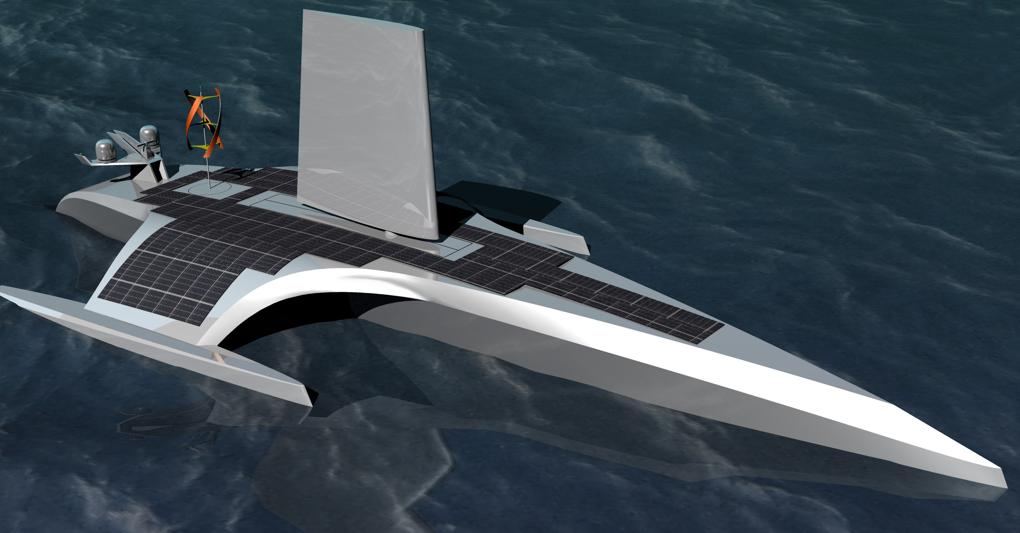
The Uncrewed Wind and Solar Powered Boat Ready to Sail: The New Mayflower Sets Off for Its Transatlantic Crossing
A robot boat powered by wind and solar energy will make it possible to eliminate the crew. The real research mission will start in spring 2021.
Read Also
- Video: The United States Develops a Robot with Human Skills. It’s Amazing What It Can Do
- Boat Built in Ceará Completes Sea Trial in Rio de Janeiro
- Jurong Shipyard Opens Operational and Technical Positions
- Petrobras Develops a Platform Painting Robot
The Modern Wind and Solar Powered Boat
The epic of American colonization is filled with legendary episodes. But the most famous is undoubtedly the journey of the Mayflower, the sailing ship that left Plymouth on the Thames to bring 102 Pilgrim Fathers to the shores of Massachusetts.
Four hundred years later, on September 16, another Mayflower is set to raise anchor from the British port of Plymouth, but this time it will not be a sailing ship. Instead, it is an uncrewed surface vehicle (USV) 15 meters long with a tonnage of 5 tons, powered by a combination of wind and solar energy, with a diesel engine on board only for backup purposes.
-
In a historic decision, Aneel regulates the use of batteries in the Brazilian electrical system and lays the groundwork for large-scale energy storage, reducing waste, enhancing energy security, and attracting new billion-dollar projects.

-
Brazilian researchers develop a catalyst made with abundant metals that increases the efficiency of green hydrogen production and can replace expensive materials, creating a promising alternative to expand the use of clean energy worldwide.
-
New Fiat EV, priced at R$ 77,000, will bring a reinterpretation of the 147 and a consumption equivalent to 70 km/l.

-
With R$ 17.2 million, Equinor expands strategic sugarcane biomethane project and boosts innovation that can convert Brazil’s agricultural potential into a new source of high economic value renewable energy.



Harnessing the Power of Technology to Combine Good Old Wind Energy with Solar Energy
The new Mayflower is the result of a project by Promare, a British oceanographic research NGO, and was built thanks to a consortium of international partners, including IBM, which developed the necessary artificial intelligence, cloud, and edge computing components for the navigation system.
Next week, there will just be a demonstration exhibition, awaiting the first actual cruise of the new Mayflower, scheduled for spring 2021 and lasting six weeks, aiming to conduct a series of sampling and scientific quality testing of marine waters.
Managing an oceanographic research campaign, the project creators note, costs a fortune, both in terms of personnel used and fuel. On the other hand, the autonomous vessel can concentrate in just 15 meters the equipment that could be carried by a 60-meter crewed ship, with 100 times less consumption and no environmental impact, as it will use a combination of wind and solar energy.





Be the first to react!