Portuguese
  Spanish



Bioconcrete Is the Innovation in Civil Construction Capable of Regenerating Cracks in Concrete, Promising Durability and Long-Term Savings.
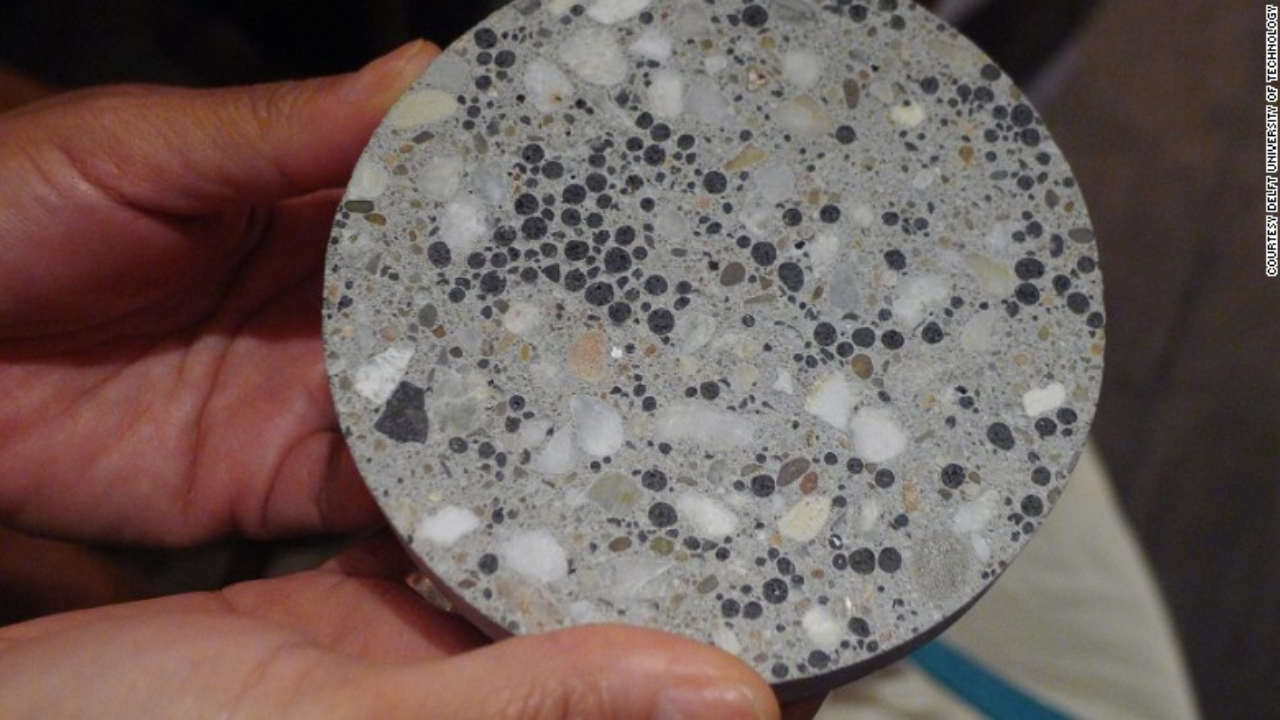
Civil construction has just received a major innovation: bioconcrete. Researchers at Delft University of Technology in the Netherlands have developed this innovative material, capable of regenerating its own cracks. This technology can transform the way we deal with concrete, especially regarding cracks that appear over time. Bioconcrete emerges as a solution to increase the durability of concrete and reduce maintenance costs in civil construction.
How Does This Innovation Work?
The key to this innovation in concrete lies in the use of a special bacterium known as Bacillus pseudofirmus.
Found in frozen lakes in Russia, this bacterium has a unique ability: it can produce limestone.
-
James Webb Telescope Uncovers Unexpected Clues on Mysterious Moon, Potentially Redefining Planetary Origins

-
$1.5 Billion Sleipnir Vessel Transforms Ocean into Floating Construction Site with 12 Hybrid Engines and Capacity to Lift 20,000 Tons

-
23 Years After Tragedy, Brazil’s Alcântara Space Center to Launch New Suborbital Rocket in 2026 with South Korean SEBIT Project Targeting Near-Space Tests
-
Entrepreneur Turns Neighbor’s Coffee Grounds Waste into Eco-Friendly Pellets, Earning Up to $40,000 Monthly in Brazil


When this bacterium is incorporated into concrete, it generates calcium carbonate, a material capable of sealing the cracks that naturally occur in concrete over time.
By regenerating concrete, bioconcrete provides an effective solution for civil construction, preventing cracks from growing and harming structures.
Henk Jonkers, the project’s coordinator, explained that Bacillus pseudofirmus was difficult to find but proved ideal for bioconcrete.
This bacterium is resilient and can survive under adverse conditions for up to 200 years. When bioconcrete comes into contact with water and oxygen, the bacterium activates the regeneration process of concrete, sealing the cracks and restoring the structure.
The Production of New Concrete and Its Impact on Civil Construction
The bioconcrete is produced with two main additives: the spores of the bacterium Bacillus pseudofirmus and calcium lactate nutrients.
These components are mixed separately with expanded clay grains. When cracks begin to appear in the concrete, the bacteria multiply and feed on the lactate, generating calcium carbonate.
This process naturally closes the cracks, without the need for human intervention or conventional repairs.
Bioconcrete can transform the way concrete is used in civil construction.
By regenerating cracks, it reduces maintenance costs and increases the durability of structures.
Within just a few weeks, the cracks begin to close, representing significant savings for the civil construction sector.
Challenges and Potentials of Bioconcrete in Civil Construction
Despite the advantages, the adoption of bioconcrete in civil construction still faces some challenges.
The cost of bioconcrete is higher than that of traditional concrete. While a cubic meter of conventional concrete costs about R$ 260, bioconcrete can exceed R$ 360.
However, the long-term benefits are evident: the reduction of repair and maintenance costs can justify this additional investment.
Bioconcrete is already being tested in some constructions, such as in southern Netherlands. In these projects, the material will be monitored over two years to verify the effectiveness of its regeneration and durability.
The civil construction industry needs to assess if the benefits of bioconcrete outweigh the higher costs and if the market is ready for this innovation.
Will Bioconcrete Be the Future of Civil Construction?
Bioconcrete is undoubtedly a major innovation for the construction industry.
Its ability to regenerate cracks and enhance the durability of concrete could revolutionize how buildings are designed and maintained.
Although the cost of bioconcrete is higher, the long-term benefits in terms of savings and sustainability may be decisive for its adoption.
Is the civil construction industry finally ready for this innovation?