Portuguese
  Spanish


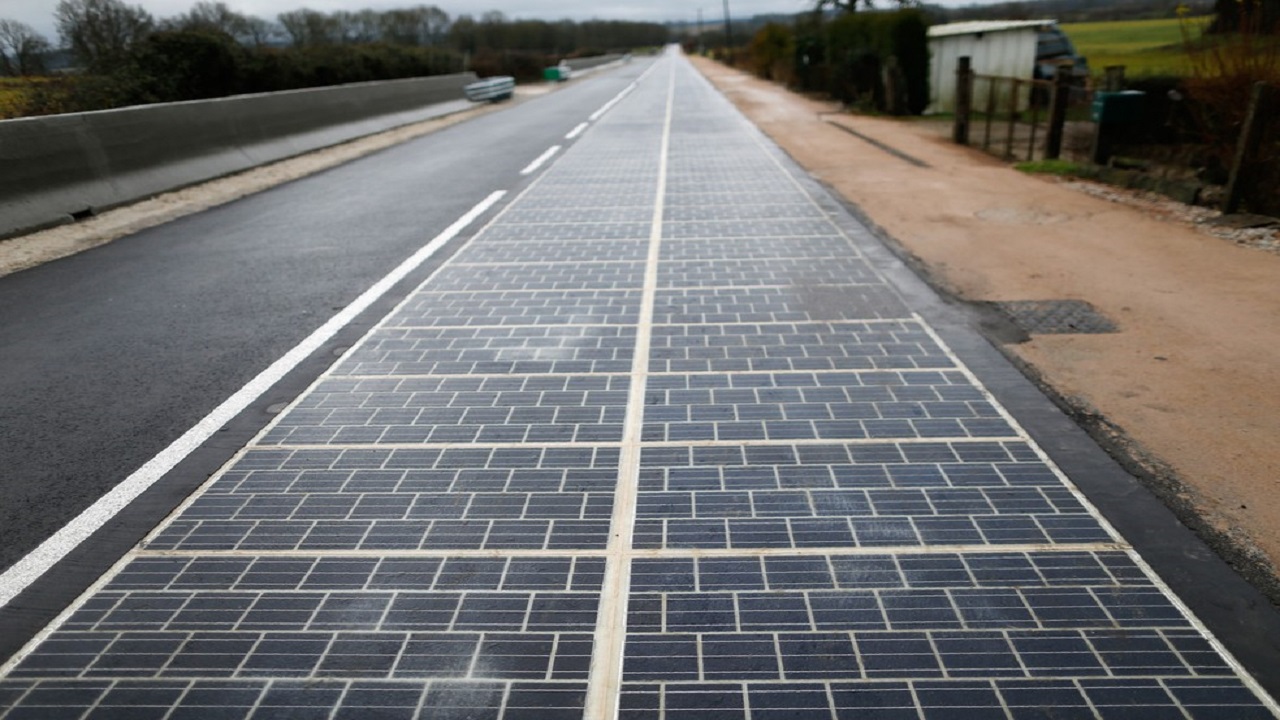

The Future Is Getting Closer! Have You Ever Thought About Recharging Your Electric Car While Driving? That’s What Solar Energy Researchers in the United States Are Studying to Put into Practice
Is recharging electric cars while driving on the road a futuristic and distant thing? Maybe not for a group of solar energy researchers in the United States at Cornell University, who are working on a project for a type of wireless charging system on the country’s highways.
Read Also
Understand How the Charging System for Electric Cars via Solar Energy Will Work
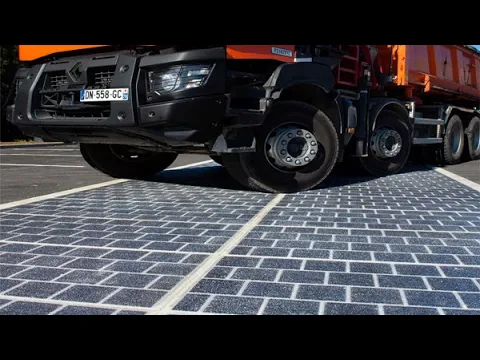

According to researchers in the solar energy field, especially engineering professor Khurram Afridi, one of the project’s originators, if your electric car is running low on charge, just drive over the lane to recharge, and it will be able to detect cars passing by and then send energy to them.
The solar energy researcher also stated that the project is still a bit far from becoming a reality in the country and that it will take at least 5 years before we can see this futuristic project functioning correctly and effectively. There are already some wireless charging systems for electric cars, but they are static and do not work with all models. There are only a few models, such as the hybrid plug-in BMW 530e iPerformance.
-
After a Year of Success in Switzerland, Solar Railway Attracts Italy’s Interest for Clean Energy Transformation

-
Robots Clean Solar Panels in Desert Power Plants Without Water, Preventing Energy Losses
-
Brazil’s Offshore Wind Energy Potential Worth $1 Trillion Stalled by Long-Delayed Agreement

-
World’s Largest Engie Solar Plant in Brazil Highlights Billion-Dollar Energy Waste Issue: Company Considers Batteries and Bitcoin Mining to Avoid Wasting Production




The proposal from solar energy researchers will be well received by many people looking to switch from conventional combustion cars to electric vehicles. This could even convince those who are hesitant to switch to electric cars due to low range and inadequate charging infrastructure.
Benefits of the Project for the Solar Industry
If the project is realized, it will certainly solve one of the biggest “bottlenecks” in the electric car sector: the time it takes to recharge the battery. Although this process is innovating every day, it still poses a challenge in situations requiring long trips.
The road for recharging would be the perfect solution for this type of trip, but experts also point out the challenge of how to charge for the energy used on the road, as the energy distributed there must be paid for by someone, especially those using electric cars.
Similar Proposals Are Being Created in Various Countries
The proposal from the solar energy researchers at Cornell University is not the only one for electric cars. The Swedish government, in partnership with the Israeli company Electron, installed a system to recharge electric cars via wireless on a section of a public road on the island of Gotland, covering 1.6 km.
The Swedish project is still in the testing phase and is aimed at commercial vehicles, and despite this, the system has proven effective for recharging a truck’s battery. The next step for the Swedish government will be to install the system to recharge vehicles on a road approximately 30 km long.