Portuguese
  Spanish


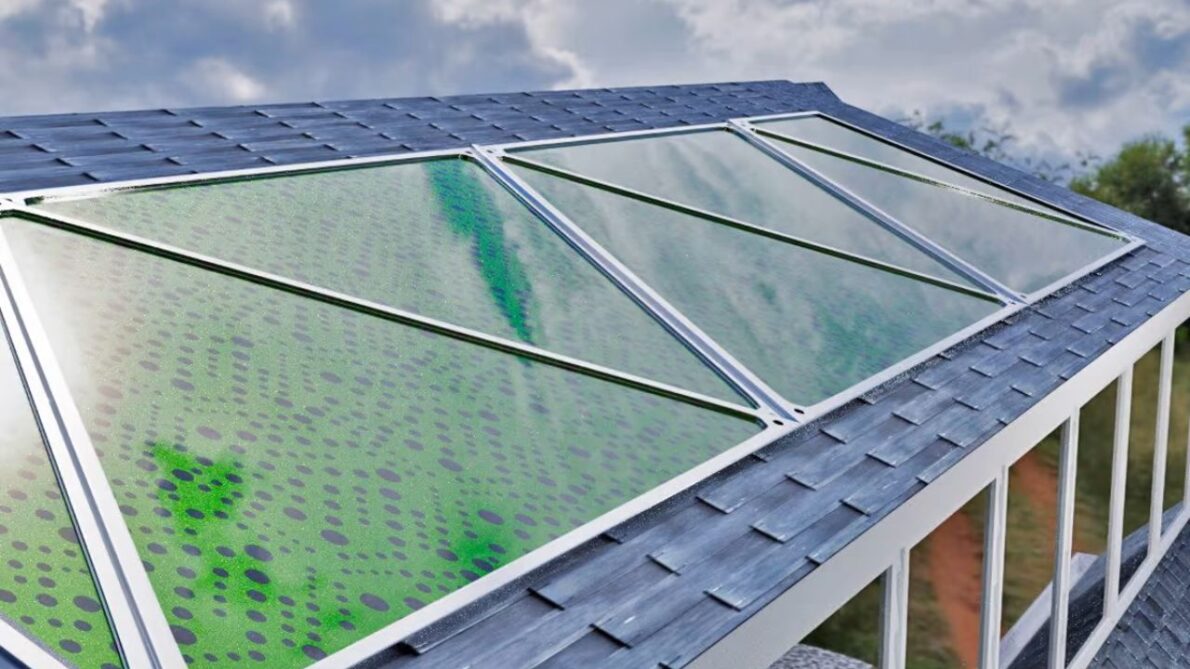

The Strange Science Behind Living Solar Panels: Algae That Could Revolutionize Green Energy
Have you ever imagined that green sludge we see in stagnant waters could be the key to a more sustainable future? Indeed, algae — yes, those very same — are being studied to create living solar panels and hydrogen farms. It sounds like science fiction, but this technology may be closer to becoming a reality than we think. Let’s explore the strange and fascinating science behind living solar panels and understand how algae can transform the way we generate energy.
Algae are more than just a slippery substance in lakes and rivers. They have a natural ability to absorb sunlight and convert it into chemical energy through photosynthesis. However, a team from Amrita University in India has managed to go beyond this natural process by developing a method to generate electricity directly from the sun using algae. Thus, living solar panels are born, which, despite being in the early stages, already show potential to compete with traditional solar panels.
The Chemistry Behind Living Solar Panels
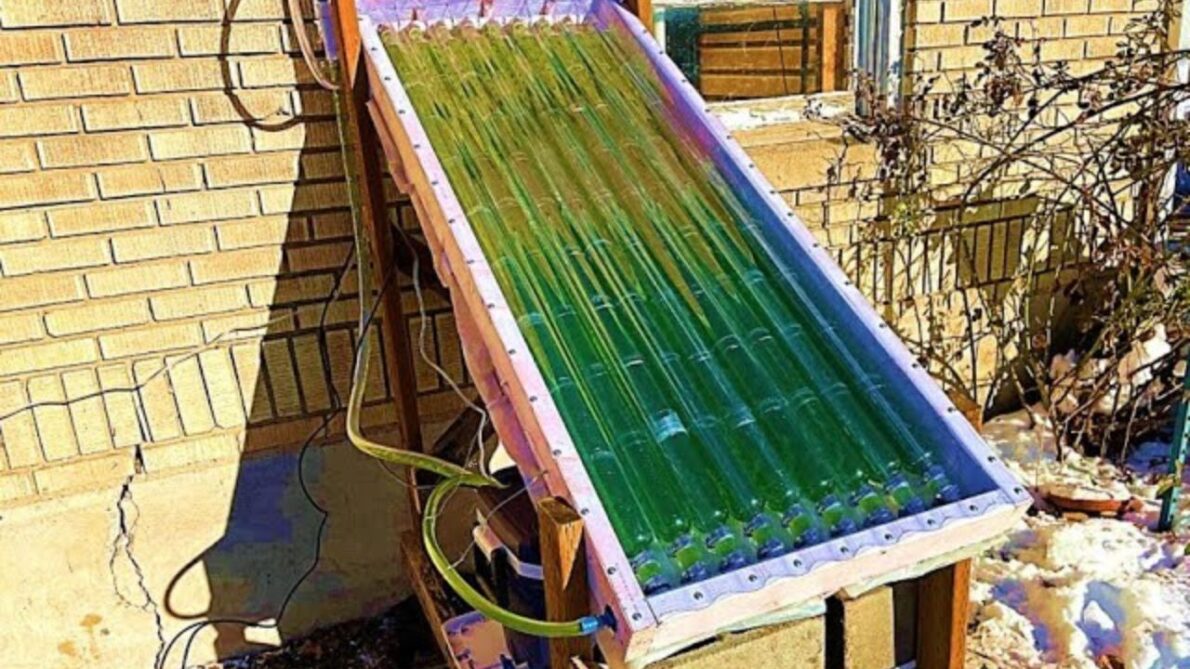
Photosynthesis is not just about creating chemical energy — it also involves manipulating electrons. During the process, algae pull electrons from water molecules, creating a miniature electric current. By placing these algae between layers of conductive materials, researchers have been able to capture these free electrons, converting them into electricity. The result? A biological photovoltaic device, or BPV, that may one day become a viable alternative to conventional solar panels.
-
Fired during apartheid and with a little borrowed money, an electrician started with a borrowed truck and transformed electrical services into a group connected to energy, real estate, and infrastructure in South Africa.

-
Wood has ceased to be just a construction material in Yale research and has become insulation for electrical transformers that face intense heat, aging, and increasing pressure from the renewable energy-powered grid.
-
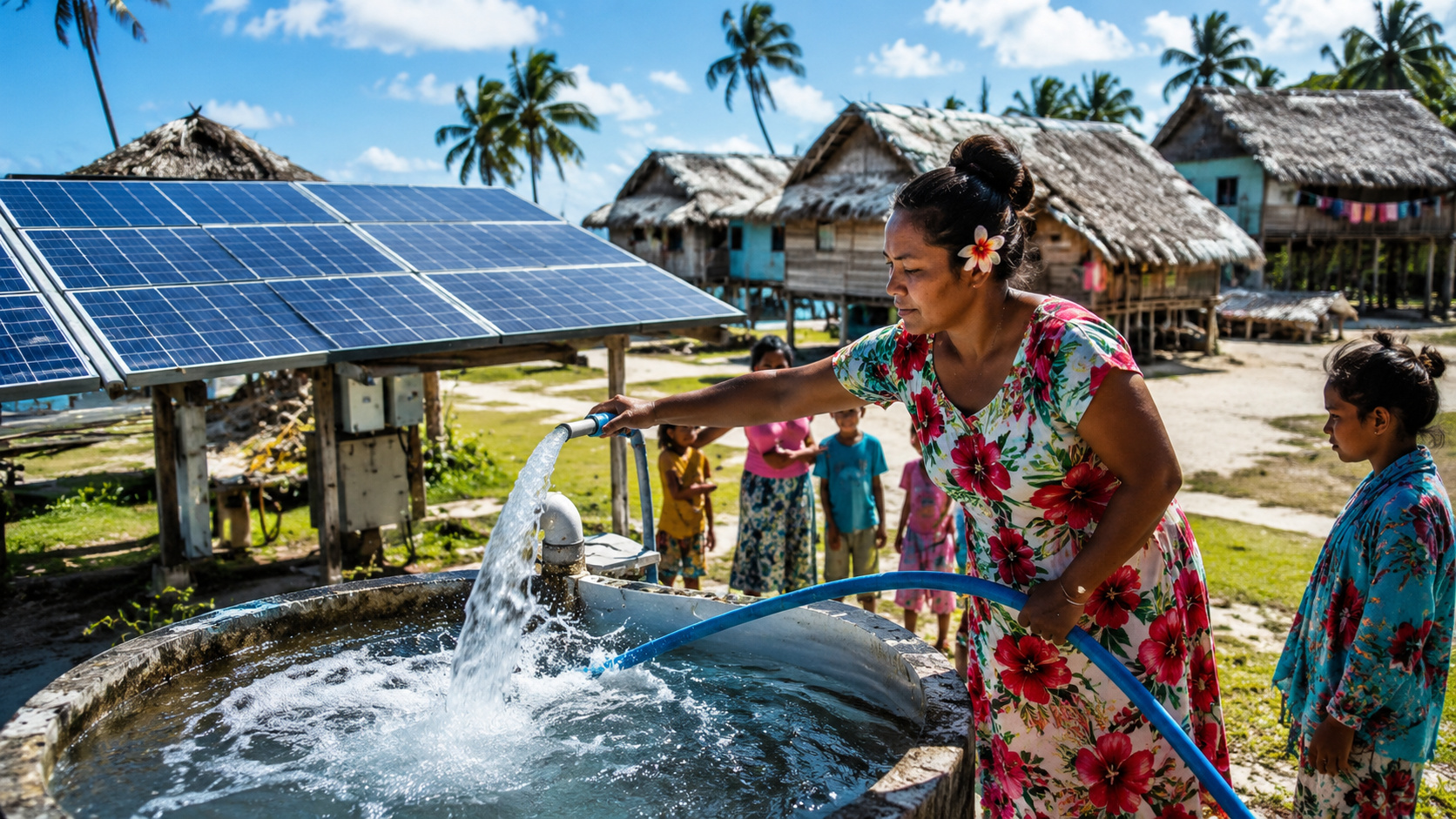
More than 1,000 residents of a remote island in Kiribati now have clean water and electricity with solar systems operated by the community itself.
-
Ceará brings together 7 giants and R$ 66 billion to transform Pecém into the largest green hydrogen hub in Brazil, with final decisions expected by the end of 2026.


Promising Performance, But Still Far from Ideal
The results obtained so far are promising. The device created by the Amrita team achieved a photocurrent density of 1.25 mA/cm² and an open-circuit voltage of around 0.58V. In comparison, commercial solar panels generate an average of 20 to 40 mA/cm². This means that, despite the progress, living solar panels still need to evolve significantly to compete in terms of efficiency.
Of Course It’s Not Just about Connecting Algae to Electricity and That’s It
There are several challenges ahead. The lifespan of algae in such a device is limited, and they require a carefully controlled environment to survive and continue producing electricity. Furthermore, efficiency remains a significant barrier. However, the idea of using algae in living solar panels opens a new path for renewable energy, especially considering the possibility of improving this technology through genetic engineering or discovering new, more efficient species of algae.
Algae in Hydrogen Production
Algae don’t stop there. Researchers from the University of Córdoba, in Spain, are exploring another incredible potential of these tiny creatures: hydrogen production. By subjecting certain species of algae to stressful conditions — such as nutrient deprivation — it’s possible to force them to produce hydrogen, a clean and renewable fuel. The addition of specific bacteria that consume oxygen helps keep the algae productive for a longer time, significantly increasing hydrogen production.
While the idea of living solar panels and hydrogen farms made from algae is exciting, there is still a long way to go. Scalability, efficiency, and durability of these systems need to be improved before we can think about large-scale implementation. However, the potential is there, and with more research and development, we may be on the right path to a revolution in green energy.
The Strange Science Behind Living Solar Panels


For now, the technology is still in its early steps, but who knows? Perhaps the future of energy is growing in a lake near you.