





 Portuguese
  English
  Spanish
  3 min of reading
  0 comments


Researchers From Australia Create Bricks Made With Coffee Grounds That Reduce Energy Consumption By Up To 80% And Double The Minimum Strength Requirements.
A new type of brick promises to transform the construction industry. Made from used coffee grounds, it can reduce energy consumption in the manufacturing process by up to 80%.
The innovation was developed by Australian researchers at the Swinburne University of Technology.
The announcement of the licensing agreement between the university and Green Brick was made on June 27. The initiative marks an important step in the search for more sustainable and low-carbon materials.
-
White hydrogen found in billion-year-old rocks in Canada impresses researchers, can generate energy for hundreds of homes, and opens a new race for clean fuel hidden underground.

-
The macabre discovery by archaeologists in an Asian forest: a giant jar in Laos reveals human bones from various generations about 1,200 years old.
-
The popular fermented food can help eliminate microplastics from the body.
-
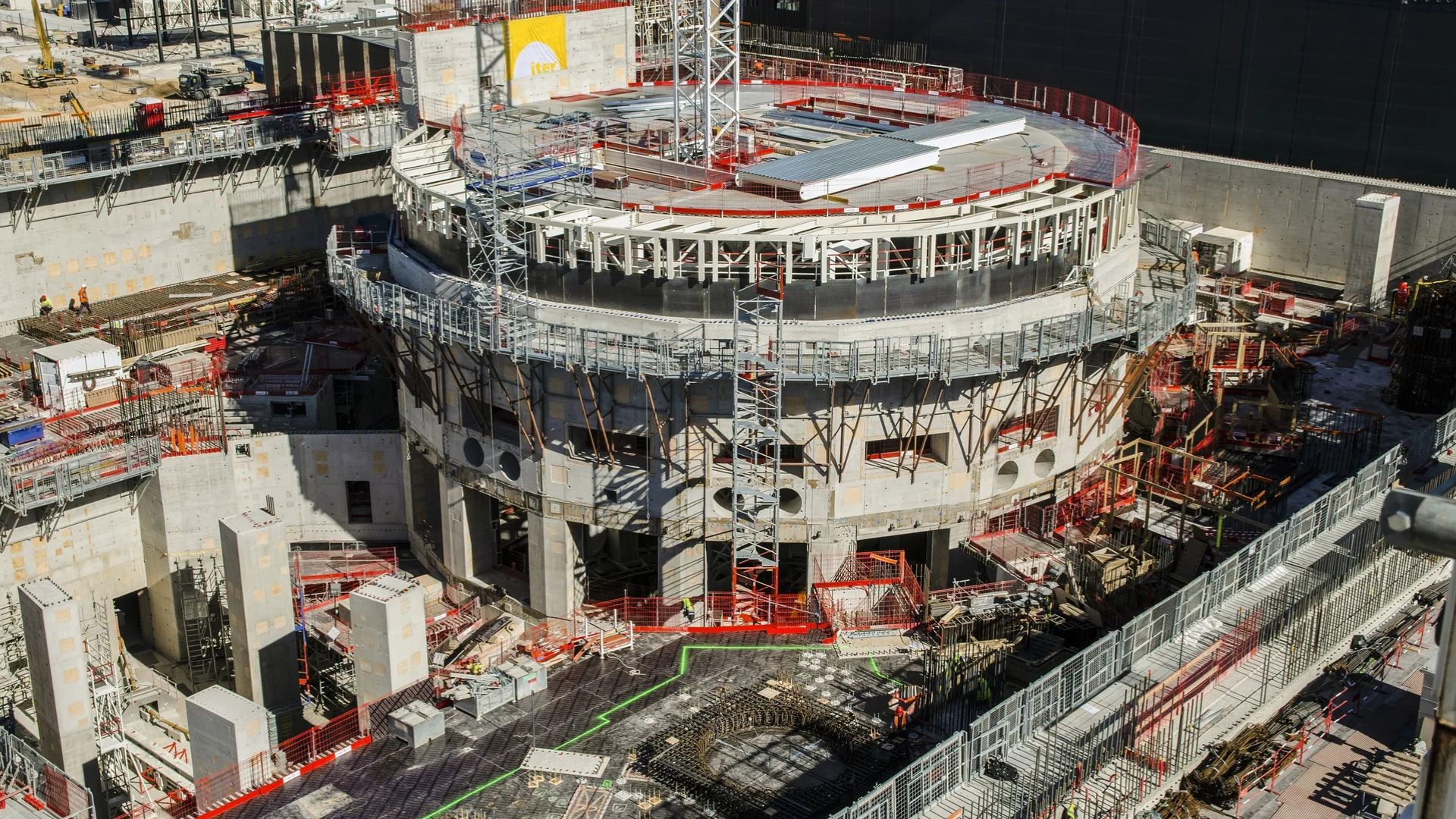
The ITER project gathered 10 million components manufactured in 35 countries to create an “artificial star” in France that will heat plasma to 150 million degrees Celsius, a temperature ten times higher than that of the Sun’s core, and attempt to reproduce for the first time in a laboratory the reaction that has fueled stars for billions of years.




Waste That Becomes Raw Material
It is estimated that each year, the world consumes nine million tons of ground coffee. This volume results in about 18 million tons of discarded wet coffee grounds.
In Australia, more than 1.3 million cups are sold daily, generating 10 thousand tons of waste per year.
The majority of this coffee grounds is thrown in landfills, where it decomposes, releasing methane, one of the most potent greenhouse gases. Incorrect disposal exacerbates environmental problems and increases the carbon footprint.
In light of this, a team led by Dr. Yat Wong decided to take action. The goal was to repurpose this waste on a large scale and give it a useful and effective function.
How The Brick Is Made
The researchers collected coffee grounds discarded by cafes and restaurants. This waste was mixed with clay and an alkaline activator. The combination resulted in low-emission bricks.
The significant difference lies in the firing temperature.
The bricks need to be fired at only 200 °C — an 80% reduction compared to the conventional process, which requires much higher temperatures and, consequently, more energy.
“It’s lighter in terms of energy, faster to produce, and designed to reduce electricity-related CO₂ emissions by up to 80% per unit,” explained Dr. Wong.
Stronger Than Regular Bricks
The production of traditional bricks often relies on the burning of coal or natural gas. One kilogram of brick made with coal can emit up to 64.26 grams of CO₂. The new model drastically reduces this impact.
Additionally, tests showed that the coffee bricks surpassed the minimum standards required in Australia. Their strength is twice as high as the minimum set by local technical standards.
According to the responsible team, the product combines two main benefits: it prevents tons of waste from being sent to landfills and offers a cleaner, more efficient construction option.
Other Sustainable Paths
Coffee is not the only waste repurposed to create ecological solutions. In 2024, the architectural studio Grimshaw and the University of East London presented “Sugarcrete,” a brick made from sugarcane bagasse.
This material also has a reduced impact. Bagasse bricks produce only 15% to 20% of the carbon emissions of traditional bricks. Additionally, they are up to five times lighter than concrete.
The creation of coffee bricks represents more than a technical solution. It demonstrates how science can transform a common waste into a concrete alternative to face environmental challenges.
With lower emissions, greater strength, and waste utilization, this model could mark a new era for the construction industry.






Be the first to react!