Portuguese
  Spanish


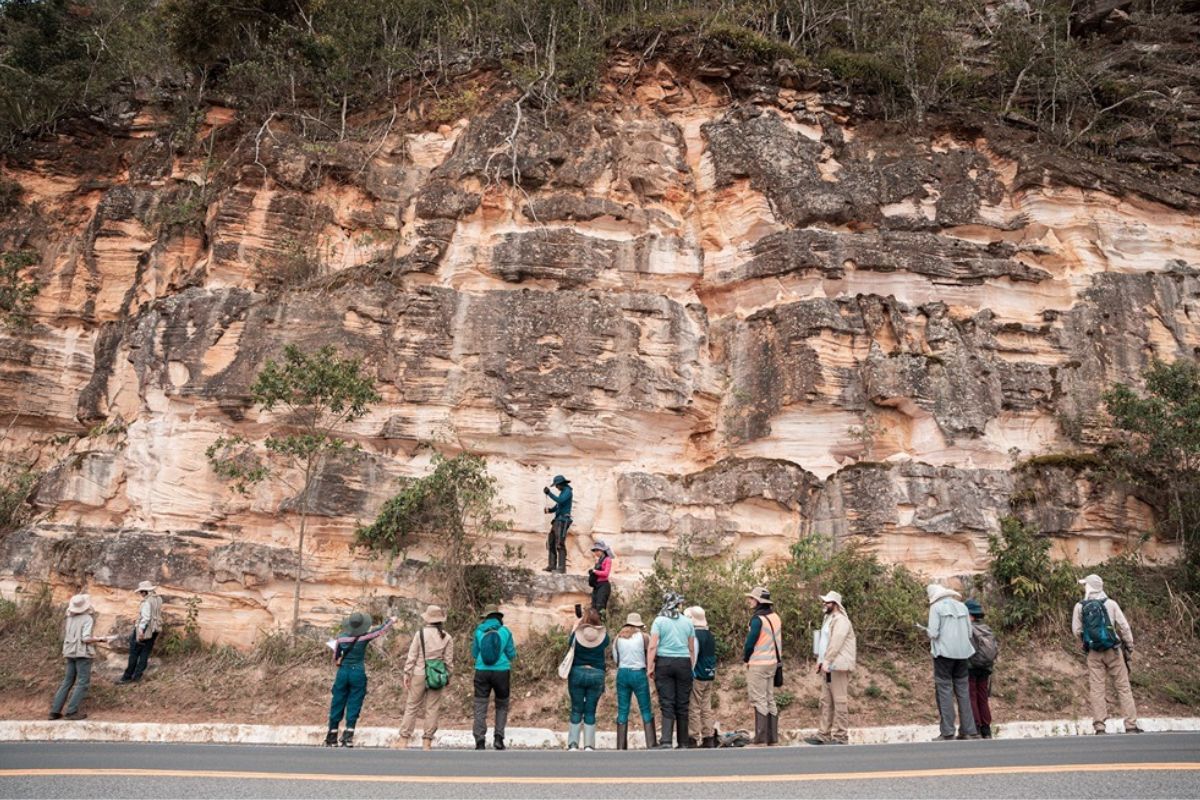

Research on Minerals Receives National Strategic Plan. The PlanGeo 2026–2035 Prioritizes Sustainability, Mining, Energy Transition, Food Security, and Critical Minerals. The Initiative Involves Public Consultation, Priority Projects, and Goals to Expand Mineral Studies in Brazil
Research on minerals is at the center of a movement that promises to change how Brazil organizes itself regarding its geological potential.
The Geological Service of Brazil (SGB) presented the Decadal Plan for Mineral Resource Research, called PlanGeo 2026–2035, according to a report published.
The proposal outlines how the country intends to advance in the surveying and assessment of areas with potential for different types of minerals.
-
Volvo’s New Loaders Feature Obstacle Detection, Automatic Braking, and 360-Degree Operator View

-
Study Reveals 97% of Pregnant Munduruku Women in the Brazilian Amazon Have Mercury Levels Above Safe Limits, 90% of Newborns Contaminated by Gold Mining

-
Chinese Manager Accused of Whipping Worker Sparks Protest by 1,200 Employees at Major Brazilian Factory
-
France Revamps 530 Social Housing Units with Large Balconies and Glass Facades Without Demolishing Existing Buildings




The plan pays special attention to critical and strategic minerals, fundamental for sectors such as energy, agriculture, and industry.
In total, 145 areas were defined to receive studies, considering the maintenance of the current budget.
The project highlights minerals such as rare earths, lithium, copper, nickel, manganese, graphite, tin, gold, phosphate, and potassium.
Another important point is that the definition of these areas involved the participation of society through a public consultation, allowing the choices to also reflect collective interests.
The PlanGeo was designed to align mineral research with Brazil’s needs in the global context, ensuring sovereignty, attracting investment, and strengthening the country’s position in global supply chains.
More than a technical plan, it represents a way of thinking about the future with innovation and sustainability.
Sustainability as the Central Axis in PlanGeo
When it comes to research on minerals, the word sustainability appears as a priority. The PlanGeo 2026–2035 offers a long-term vision that considers the importance of taking care of natural resources.
The goal is to balance exploration with responsibility, respecting the environment and ensuring long-lasting benefits for society.
In practice, this means that the choice of strategic minerals is not limited only to economic potential but also to the role they can play in the transition to cleaner energy sources and the conscious use of resources.
This connection between mineral research and sustainability strengthens Brazil’s position in international negotiations and opens up space for new partnerships.
Mining and Social Participation in Planning
Another notable point in the new plan is the way it was built. To guide mineral research, the SGB relied on public consultation, as stipulated in Normative Ordinance No. 72/GM/MME of 2024.
This process allowed various sectors of society to actively participate in defining priorities.
The contributions received were evaluated by the technical team and helped adjust the list of most-voted projects in different thematic blocks.
This model of participation reinforced the link between mining and citizenship since the population had space to indicate which areas and substances should be included or reclassified.
The result was a project portfolio that more closely aligns with national expectations and has greater feasibility for execution.
Energy Transition and Critical Minerals in Focus
Research on minerals is gaining strength also due to ongoing energy transformations worldwide.
The PlanGeo highlights resources such as lithium, nickel, manganese, and graphite, all considered critical minerals for the production of batteries, electrical equipment, and clean energy technologies.
The plan also values rare earths, essential for electronic devices, and copper, which is crucial in electric transmission systems.
In addition, phosphate and potassium are seen as strategic for ensuring food security, as they are directly used in fertilizer production.
This combination of critical minerals reinforces the connection between mineral research, energy transition, and agriculture.
Food Security and Innovation in the Mineral Sector
Research on minerals is not limited only to industry and energy. The PlanGeo places food security as one of the main axes by prioritizing minerals such as phosphate and potassium.
They are basic inputs for fertilizers, indispensable for Brazilian agriculture.
Furthermore, the plan incorporated five new proposals resulting from public consultation, expanding the field of study and innovation.
This update shows that the mineral sector can connect directly with strategic areas such as agribusiness and high-tech industry.
The integration of research, innovation, and food security strengthens Brazil’s vision of sustainable development.