






 Portuguese
  Spanish
 5 min of reading
  0 comments


Petrobras Advanced In The Sergipe Deep Waters Project By Approving The Technical Proposal From SBM Offshore, Unlocking Billion-Dollar Investments, New Jobs, And Expansion In Oil And Gas Production Expected By 2030
Petrobras approved the technical proposal submitted by SBM Offshore for the construction and operation of two floating platforms (FPSOs) destined for the Sergipe Deep Waters (SEAP) project, consolidating one of the most important steps towards the implementation of one of the largest energy ventures in the history of Sergipe.
The information was officially disclosed by the Government of Sergipe on Wednesday (26) and confirmed by the state-owned company, marking a strategic advancement that unlocks fundamental phases of the project after months of negotiations and regulatory impasses. With this move, the project returns to the center of the national energy agenda due to its potential for billion-dollar investment, massive job generation, and significant impact on Brazilian production of oil and gas.
Decisive Advance For The Sergipe Deep Waters
The technical approval of the proposal by SBM Offshore represents a decisive change in the trajectory of SEAP. This endorsement comes after the resolution of obstacles regarding royalties involving Petrobras, the Federal Government, and the Government of Sergipe, which previously threatened to delay the original timeline once again. With the impasse resolved, the state-owned company was finally able to validate the technical solution for the platforms that will operate in modules SEAP I and SEAP II.
-
Oil production grows in Rio, but reserve replacement raises a warning sign

-
Petrobras is expected to complete the drilling of the Morpho well in the Foz do Amazonas in August 2026, the first well in the Equatorial Margin, an oil frontier that the ANP estimates at more than 30 billion barrels and could redraw the map of Brazil.

-
Oil returns to the center of concerns with tension between the US and Iran

-
IEA reduces forecast for global oil demand in 2026 after impacts of the Middle East crisis
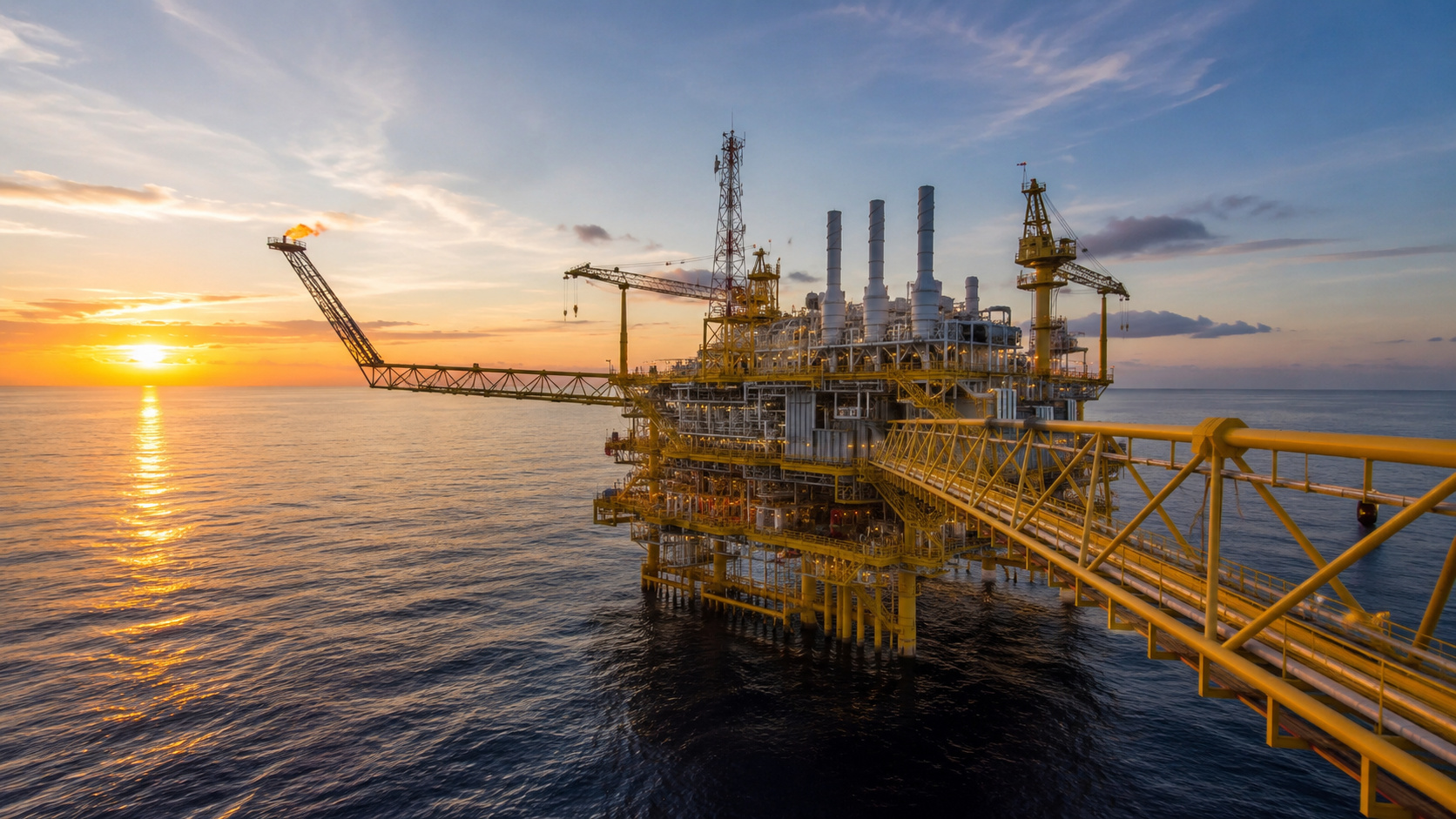


According to the Government of Sergipe, the inclusion of the project in Petrobras’ 2026–2030 Strategic Plan may occur, with production expected to begin in 2030. This reinforces that the announced advance is not merely bureaucratic: it signals a strategic commitment from the country’s largest energy company to a new productive frontier.
The Importance Of SBM Offshore In The Strategy Of Petrobras
SBM Offshore is one of the largest global suppliers of FPSO platforms and already operates several units in Brazil, especially in the pre-salt fields. Its selection by Petrobras reinforces the technical and operational reliability of the company, particularly in large-scale and complex projects.
The agreement provides for the construction and operation of two FPSO units, which will be responsible for processing oil and gas extracted from the deep waters of Sergipe. SBM’s experience in offshore engineering, combined with its track record of delivering platforms for Petrobras, generated sufficient technical assurance for the approval.
The next step will be the formalization of the commercial contract (FID), expected to take place by the first quarter of 2026. Only after this stage will the project become officially contracted, allowing the beginning of the structural works.
Project Structure And Production Capacity
FPSOs Of The Sergipe Deep Waters
Each FPSO of the SEAP will have the capacity to:
- Process 120 thousand barrels of oil per day
- Process 12 million m³/day of natural gas
- Store millions of barrels of oil for offloading by tankers
Moreover, the project involves:
- Construction of an extensive subsea network
- Installation of a gas pipeline with a capacity of 18 million m³/day
- Expansion of logistical and maritime support infrastructure in Sergipe
These elements confirm the SEAP as one of the most robust offshore ventures in the country outside the pre-salt.
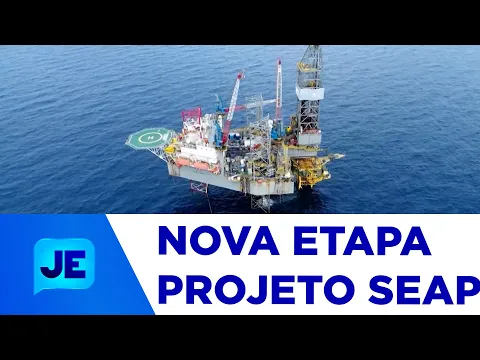

Billion-Dollar Investments And Impacts On The Sergipe GDP
Direct And Indirect Economic Impact
According to data presented by the Government of Sergipe:
- The estimated investment in the project is US$ 5 billion (approximately R$ 25 billion).
- The estimated impact on the state GDP reaches R$ 37.8 billion over the SEAP cycle.
- Approximately 170 thousand jobs may be generated, including direct, indirect, and induced positions.
These numbers position Sergipe Deep Waters as the largest economic venture in the history of the state. The government emphasizes that almost all sectors will benefit, especially services, industry, construction, logistics, technology, and commerce.
Job Creation From Petrobras And SBM In The Oil And Gas Sector
The oil and gas chain is labor-intensive and includes dozens of segments, from engineering to general services. With the technical approval and progress of the project, expectations are that opportunities will increase in:
- Shipbuilding and offshore
- Industrial maintenance services
- Submarine engineering
- Logistics and maritime transportation
- Offshore supplies and hospitality
- Technical training and certifications
The estimate of more than 170 thousand jobs is related to the entire project cycle, which involves construction, implementation, operation, and demobilization of the structures.
The arrival of the FPSOs is also expected to boost local training programs, strengthening the labor force in Sergipe and attracting new private investments interested in regional growth.
The Relevance Of Sergipe Deep Waters For The Brazilian Energy Sector
SEAP has the potential to elevate Sergipe to the status of a new national production hub for oil and gas, alongside states like Rio de Janeiro, Espírito Santo, and Rio Grande do Norte. The production expected for 2030 could help to:
- Increase the national supply of oil and natural gas
- Enhance energy security
- Diversify offloading routes
- Stimulate competitiveness and technological innovation
- Strengthen the Brazilian energy market
- Reduce dependence on natural gas imports
This set of factors explains why SEAP has gained increasing prominence both within and outside the sector.
Recent Obstacles And Challenges Facing Petrobras
Although the technical advancement is relevant, the project still faces delicate stages.
Awaiting The FID From Petrobras And SBM Offshore
The next step—the signing of the commercial contract—is essential. Without it, the shipyards cannot commence the construction of the platforms, and the supply chain does not receive contractual forecasts.
The FID is expected in the first quarter of 2026.
Timeline Risks
In recent years, the project has already suffered delays associated with:
- Disputes over royalties
- Budget cuts
- Internal restructuring within Petrobras
- Changes in incentive policies
In September 2025, there were warnings that new cuts could impact the production start date. The current approval reduces this risk but does not eliminate the need for constant monitoring.
Support Infrastructure
Sergipe will need to expand:
- Port capacity
- Offshore support base
- Logistical structure
- Specialized labor
- Environmental and operational regulation
Without these elements, some of the projected benefits may be compromised.
Perspectives And Relevance Of The Advance For Sergipe And Brazil
The technical approval on November 26, 2025, marks the most concrete movement seen towards the implementation of the Sergipe Deep Waters project. It is a step that strengthens investor confidence, stimulates the economy, and repositions Sergipe on the national map of the oil and gas sector.
With the construction of the FPSOs, the gas pipeline, the subsea network, and the potential generation of thousands of jobs, SEAP has the capacity to transform the Sergipe economy and positively impact the country’s energy balance. However, the coming months will be decisive: the signing of the commercial contract, maintenance of the timeline, and coordination between the government, Petrobras, SBM Offshore, and civil society will define the real pace of the project.






-

1 person reacted to this.