Portuguese
  Spanish


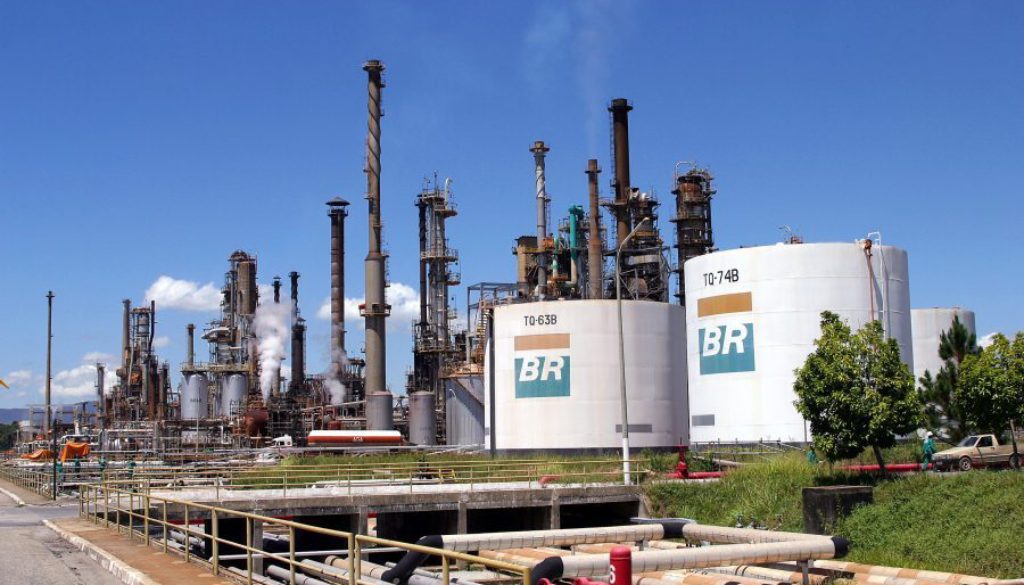

Petrobras Follows Script and Continues Encouraging Sale of Its Refineries Despite Strong Resistance from Its Internal Body of Engineers – Aepet
A Aepet – Association of Engineers of Petrobras – still resists the state-owned company’s decision to sell its stake in eight of its refineries, which continues following the script and encouraging the market. See also:
- Resume submissions at Techint Engenharia e Construção for projects in the Parnaíba Basin
- Over 30 job openings for all education levels at Brinox units in SP, ES, RS, and others
- 2020 The Year of Opportunities – 29,371 openings for free vocational courses opened by Faetec
The state-owned company announced the divestment last year, informing the sale of its stake in eight of its refineries. They are: REFAP (Alberto Pasqualini Refinery), REPAR (President Getúlio Vargas Refinery), RLAM (Landulpho Alves Mataripe Refinery), REGAP (in Minas Gerais), and RNEST (Abreu e Lima Refinery in Pernambuco).
-
Brazil’s July Bolsa Família Payments May Include Extra $150 and $50 for Families with Children, Pregnant Women, and Updated CadÚnico Registration

-
Brazilian Woman Buys €1 House in Sicily, Clears 50 Truckloads of Debris, and Transforms Ancient Ruin into Inspiring Life Project by 2026

-
Havan Competitor Expands in Brazil with 170 Stores, Offering Everything from Stationery to Asian Food and Focusing on Affordable Products to Attract Shoppers

-
Norway’s $2 Trillion Dilemma: How Oil Revenue Created a Massive Savings Fund with Too Much Money to Spend




These industrial plants comprise two regional refining blocks, with REFAP and REPAR supplying fuel and other derivatives for the southern region of the country, while RLAM and RNEST serve the northeast region.
Those interested in the assets must submit proposals by March 5 of this year. Interests come from all over: oil companies, investment funds, international groups, and Brazilian companies in the fuel distribution sector.
Among them, Grupo Ultra, Cosan, Sinopec, the investment fund Mubadala (Abu Dhabi), and EIG (an American company that controls the Port of Açu) are examples of companies that have already expressed interest in the refineries, according to industry sources.
However, Aepet states that, with the sales, Petrobras will be foregoing future revenues in exchange for money received in the short term from the sale of part of these refineries. According to the association, it is a mistake to dispose of any percentage of them, as they have a captive market and present good operational and financial results.