






 Portuguese
  Spanish


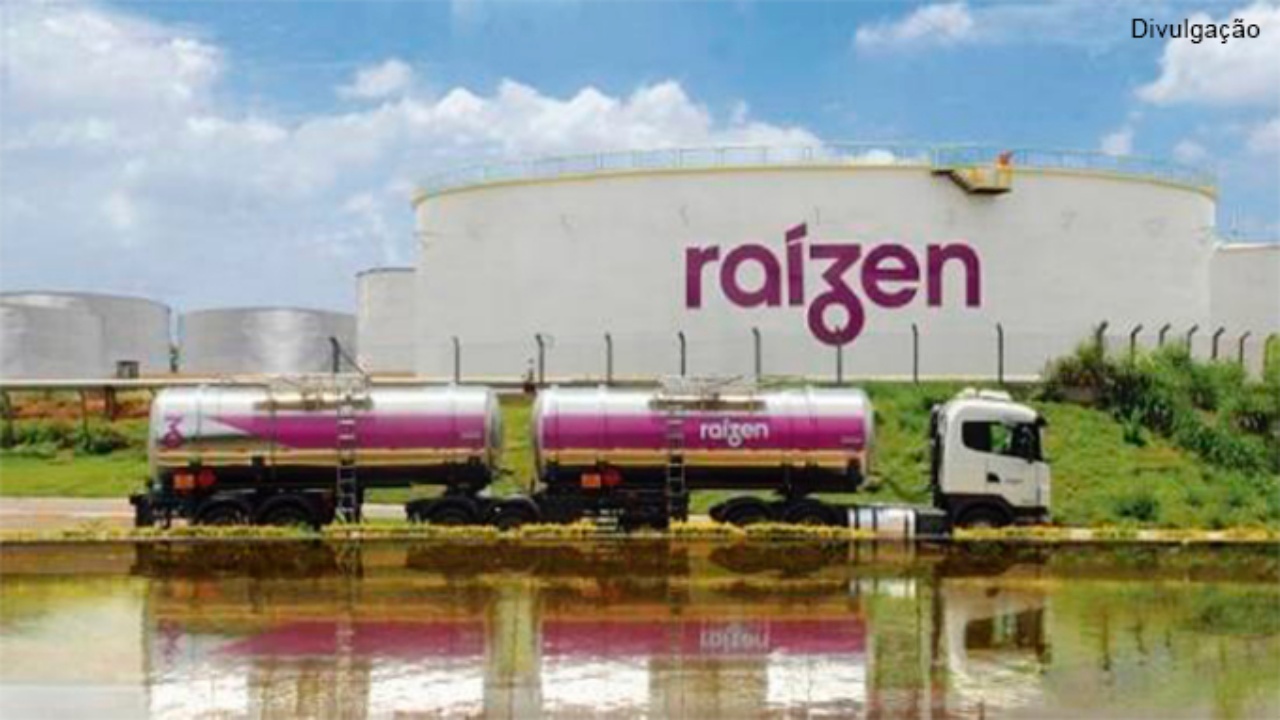

The Partnership Also Includes Studies for the Development of Logistics Solutions for the Delivery of Biomethane, Enabling Its Use in Petrobras’ Refining Operations.
Petrobras announced, in a relevant fact, that it has signed an agreement with the giant ethanol producer Raízen, to jointly assess potential business involving the production, purchase, and sale of biomethane, a 100% renewable fuel produced by Raízen from sugarcane waste (vinasse and filter cake), generated in the company’s energy Bioparks agro-industrial operations.
According to Petrobras, the partnership also includes studies for the development of logistics solutions for the delivery of biomethane, enabling its use in Petrobras’ refining operations.
Agreement Between Petrobras and Raízen Is an Opportunity to Connect the Production of Renewable Biomethane with the Production of High-Quality Fuels and Refining Products
With characteristics similar to natural gas, the product is part of a new generation of sustainable fuels (such as R5 diesel, with renewable content, and BioQAV), in line with Petrobras’ decarbonization strategy and the development of new business opportunities with lower carbon intensity.
-
Giant Batteries Take Center Stage in Chile Auction as Company Offers 960 GWh of Solar Energy for Nighttime Use, Aiming to Stabilize Solar Power Supply

-
After a Year of Success in Switzerland, Solar Railway Attracts Italy’s Interest for Clean Energy Transformation
-
Brazil to Introduce B16 Diesel with Increased Soybean Oil Content for Trucks by 2026
-
Robots Clean Solar Panels in Desert Power Plants Without Water, Preventing Energy Losses


“This project is an opportunity to connect the production of renewable biomethane with the production of high-quality fuels and refining products, which will thus be obtained with lower carbon emissions. The initiative reinforces our commitment to seeking economic and sustainable opportunities that combine value generation and low carbon, offering higher quality and environmentally efficient products,” said Petrobras President, José Mauro Coelho.
Substitute for Natural Gas, Diesel, or LPG, Biomethane Has the Potential to Reduce Direct Greenhouse Gas Emissions by More Than 90% by Replacing Fossil Fuels
Substitute for natural gas, diesel, or LPG, biomethane has the potential to reduce direct greenhouse gas emissions by more than 90% by replacing fossil fuels. For Raízen, the production of biomethane expands the company’s portfolio of renewable solutions, ensuring economic and sustainability benefits for its clients. “We are one of the pioneering companies in using industrial process waste for the commercial-scale production of renewable energy, applying the circular economy model in our 35 bioenergy parks. We believe in the potential of sugarcane to generate numerous energy solutions and the production of biomethane is an important step to accelerate the energy transition in the country,” explained Ricardo Mussa, CEO of Raízen.
New Decarbonization Front
Biomethane is the name given to the renewable fuel produced from the purification of biogas, a process that eliminates the high carbon content of the compound and creates a fuel similar to natural gas. Biogas is produced from residual organic material (vinasse and filter cake from sugarcane) resulting from the cultivation and processing of sugarcane.
“This is a 100% renewable source, with the potential to reduce carbon emissions and increase national energy security. Still in the early phase of studies with Raízen, our goal is to identify the best economic opportunities to develop this new front of decarbonization of our activities,” Coelho concluded.
“Biomethane has a high decarbonization potential and the possibility of use across various sectors of the economy. With investments in innovation and technology, we can extract the maximum from sugarcane biomass, increasing the sustainable potential of our chain and driving reductions in CO2 emissions from our partners,” Mussa stated.







