






 Portuguese
  Spanish
  4 min of reading
  0 comments



Transformative Initiative for Offshore Wind Energy Receives Investment of R$ 60 Million
Petrobras announced an investment of R$ 60 million in wind measurement offshore, an essential step for the development of offshore wind energy in Brazil. The project involves the use of Bravo buoys – Remote Wind Measurement Buoys – specifically designed to accurately map the wind potential in maritime regions.
This initiative not only reflects Petrobras’ commitment to the energy transition, but also marks a significant advancement in exploring renewable energy sources, showcasing the country’s potential to lead the clean energy sector in Latin America.
Bravo Buoys: Cutting-Edge Technology to Map Ocean Wind Potential
The five new Bravo buoys, designed to monitor wind speed and direction, will be deployed between December of this year and the end of 2025. These devices represent the latest in climate monitoring technology, developed in partnership with Petrobras Research, Development and Innovation Center (Cenpes), the Senai Institute of Innovation in Renewable Energies (ISI-ER), and the Senai Institute of Innovation in Embedded Systems (ISI-SE).
-
Illiterate or semi-literate grandmothers were trained to repair solar systems, open rural workshops, and light up homes that still depended on kerosene.

-
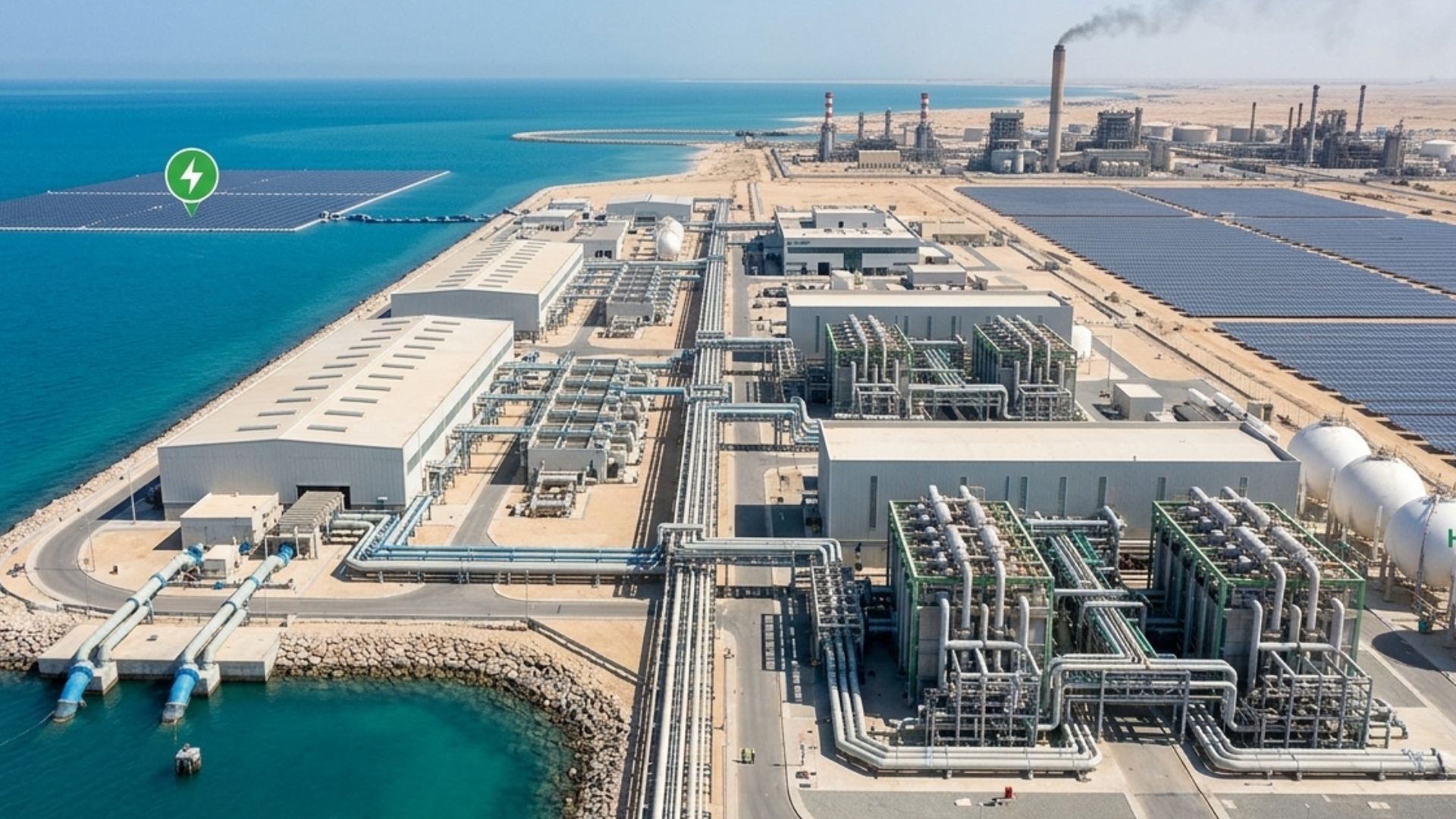
The world has bet on green hydrogen as the fuel of the future, but now faces the side effect: producing 1 kilogram requires about 9 liters of ultrapure water, and the largest projects on the planet are precisely in the driest regions of the Earth, where water is already scarce for people.

-
Africa has about 500,000 cell towers and most still burn diesel to operate, while companies rush to cover antennas with solar energy and avoid signal blackouts.
-
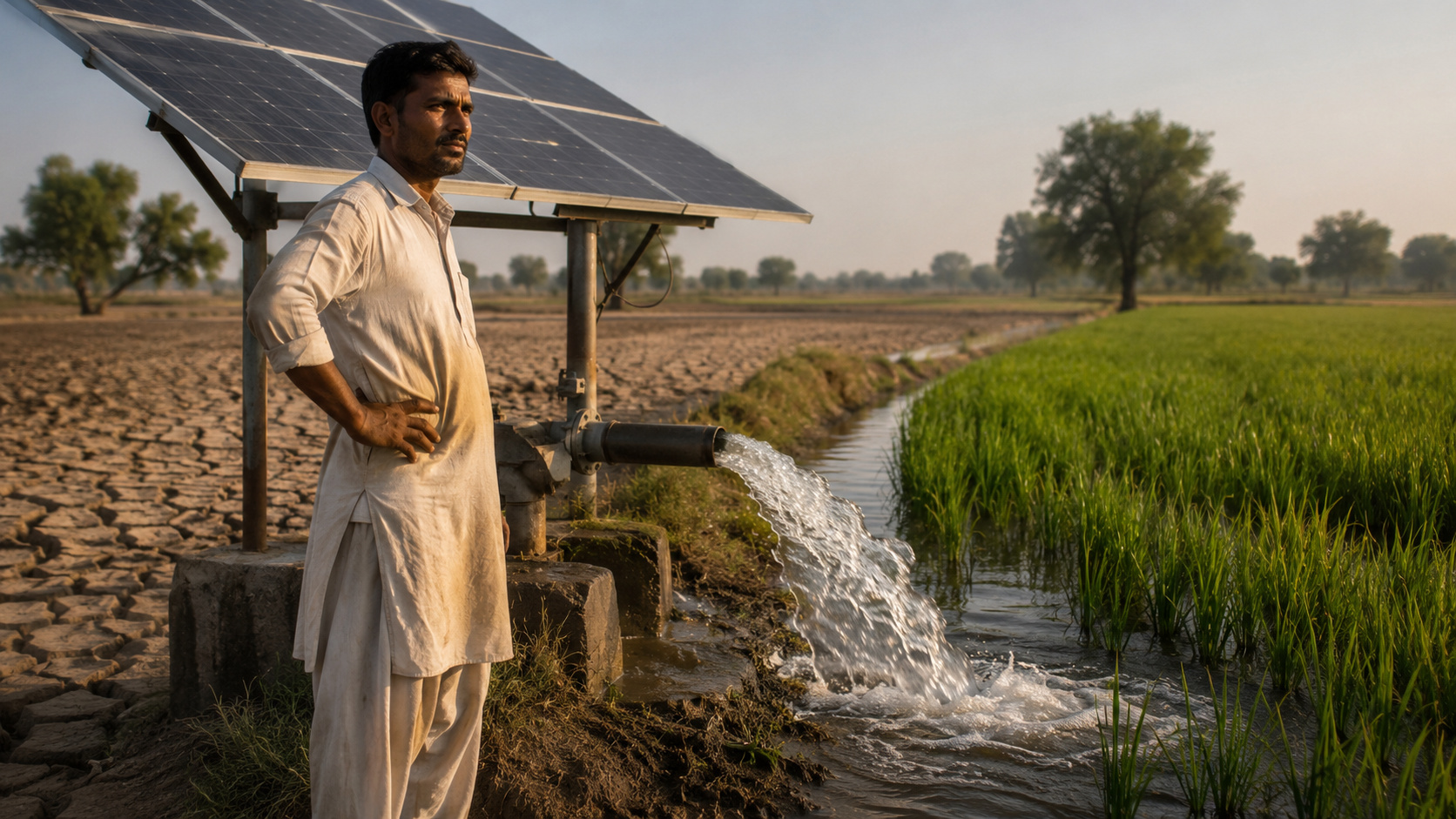
Farmers swapped diesel for solar panels in Pakistan, powered irrigation pumps almost cost-free, expanded rice fields, and now groundwater has become a red alert in the countryside.


Among the project’s differentiators is the use of Lidar (Light Detection and Ranging) technology, which allows for advanced mapping through laser beams. This national optical monitoring technology generates precise and comprehensive data about wind speed and direction, essential for the development of offshore wind turbines.
Features of Bravo Buoys and Their Benefits for Offshore Wind Mapping
The Bravo buoys have features that enhance their potential for exploring renewable energy in Brazilian waters. Among the functionalities of the buoys, the following stand out:
- Lidar Technology: Through laser beams, the Bravo buoys can perform extremely accurate wind measurements, essential for assessing the viability of offshore wind installations.
- Meteorological and Oceanographic Sensors: The buoys also capture variables such as atmospheric pressure, air temperature, humidity, wave height, and current intensity.
- National Technology: With an estimated cost of R$ 11.3 million per unit, these buoys were developed locally, highlighting Brazilian technological capabilities in the renewable energy sector.
This complete monitoring system of maritime and atmospheric conditions will allow Petrobras engineers to make decisions based on concrete data, resulting in greater safety and predictability in the implementation of future offshore wind energy installations.
Strategic Partnerships and Innovation Development in the Renewable Energy Sector
The Bravo project is the result of intense collaborative work between Petrobras and specialized energy innovation institutes. The Senai Institute of Innovation in Renewable Energies and the Senai Institute of Innovation in Embedded Systems play fundamental roles in this development, resulting in cutting-edge national technology and the strengthening of an innovation chain for Brazil’s energy transition.
The partnership with institutions like Senai not only favors the creation of technological solutions in the energy sector but also contributes to strengthening Brazil as a research and development hub in clean energies. According to Maurício Tolmasquim, director of Energy Transition and Sustainability at Petrobras, the success of this project will position the country as a leader in offshore wind mapping in Latin America.
Why Investment in Offshore Wind Energy is Essential for Brazil?
With one of the largest coastlines in the world, Brazil has vast potential for generating energy through renewable sources, especially offshore wind energy. With the investment in Bravo buoys, Petrobras aims to comprehensively map the country’s wind potential, providing essential data for future installations of wind farms at sea.
Offshore wind energy is particularly advantageous as it is more consistent and intense than energy generated on land, in addition to allowing the installation of larger and more powerful turbines. This translates into greater energy efficiency, promoting sustainable and diversified electricity production.
Advancement in Sustainability and Commitment to the Energy Transition
Petrobras is actively positioning itself in the energy transition scenario with investments that reinforce its commitment to sustainability and innovation in renewable energies. The use of national technology in the design of the Bravo buoys reflects a long-term strategy aimed at reducing dependence on fossil fuels and increasing the country’s competitiveness in the clean energy sector.
Furthermore, Brazil aligns with global goals of reducing greenhouse gas emissions, promoting sustainable economic growth in line with low-impact environmental practices.
Future of Offshore Wind Energy in Brazil: New Partnerships and Projections
To enhance studies and the potential of offshore wind energy, Petrobras also signed a letter of intent with the state government of Rio de Janeiro in June. This agreement aims to investigate the feasibility of a pilot offshore wind energy project along the Fluminense coast, seeking to identify the main challenges and opportunities for future installations.
This protocol aims to deepen the understanding of local characteristics, from climatic and oceanographic conditions to the infrastructure necessary for the operation of turbines. With this focus, Petrobras is seeking ways to ensure a structured energy transition by identifying potential bottlenecks and addressing technical challenges before the large-scale installation of offshore wind farms.
Petrobras’ investment in Bravo buoys for offshore wind measurement is a strategic advance for the future of offshore wind energy in Brazil. The use of national technology, developed in partnership with renowned research institutions, positions the country advantageously for the transition to renewable energy sources.
This initiative reinforces Brazil’s leadership in the renewable energy sector, promoting not only technological innovation but also sustainable and responsible development with the environment. The partnership between the public and private sectors has been crucial for the development of these initiatives, which promise to transform the Brazilian energy sector.






Be the first to react!