Portuguese
  Spanish


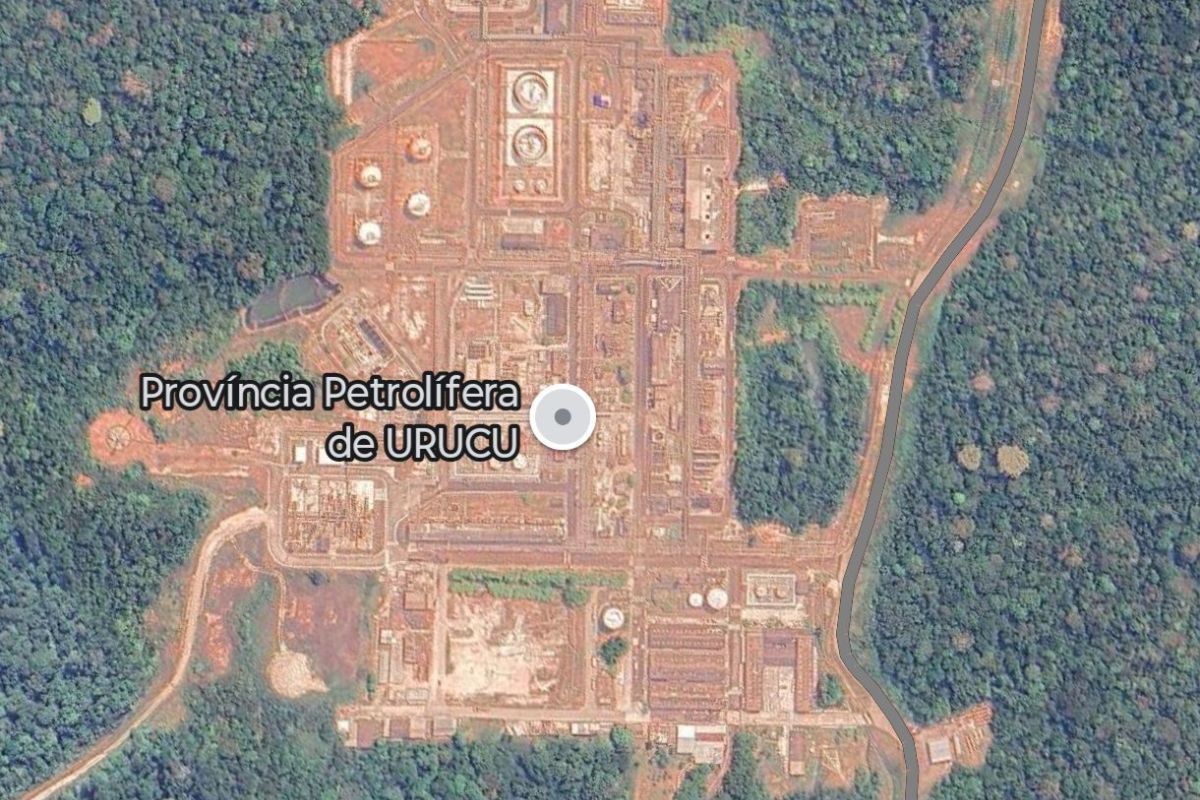

Petrobras Operation in Urucu, Started in 1986 in the Solimões Basin, Holds the Largest Onshore Gas Reserve in the Country and Ensures Essential LPG for the Northern Region.
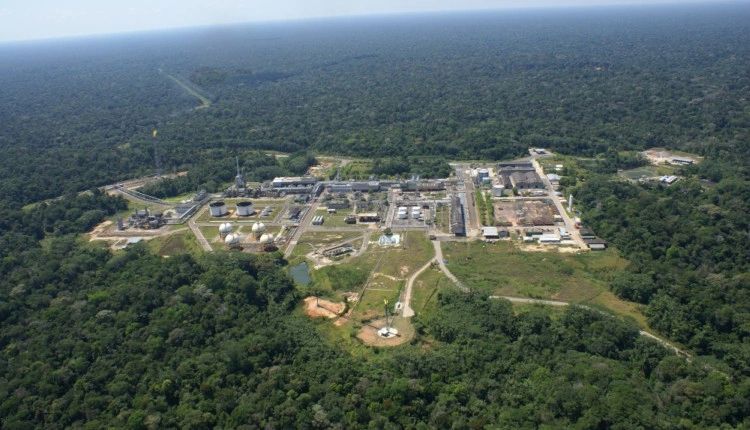
Did you know that Petrobras has been operating for 38 years in the heart of the Amazon Rainforest? According to expert Vitor Padua, since 1986, the company has been producing oil, natural gas, and Liquefied Petroleum Gas (LPG) in the Solimões Basin. This strategic region holds the largest onshore natural gas reserve in Brazil. Petrobras’ operation in Urucu plays a vital role in national energy production.
Urucu: The Strategic Base of Petrobras in the Solimões Basin
The operational base of Petrobras is located in the Solimões Basin. It lies along the banks of the Urucu River, a tributary of the Solimões River, in the heart of the Amazon Rainforest. This area holds the largest proven onshore natural gas reserve in Brazil, with approximately 90 billion cubic meters.
Considering both land and sea, it is the third largest gas reserve in the country, surpassed only by the Campos and Santos Basins. Exploration by Petrobras in the region began in 1986. Urucu also accounts for 50 of the 75 largest onshore gas-producing wells in Brazil.
-
OPEC+ Boosts Oil Supply by 188,000 Barrels per Day in July 2026, Leading to Price Drop from $112 to $89 per Barrel in Under Two Months

-
TotalEnergies Signs 20-Year Deal to Purchase 2 Million Tons of LNG from Alaska, Boosting Project Viability
-
Turkey Deploys Çağrı Bey Drilling Ship to Explore New Oil Frontier Off Somalia’s Coast
-
Golden Pass LNG Ships First Liquefied Gas Cargo from the U.S., Completing $10 Billion QatarEnergy and ExxonMobil Investment

Light Oil and Gas in the Amazon
Petrobras extracts an extremely light oil in Urucu, with an APIº 45 classification. The current average production of this oil is 11,000 barrels per day. The natural gas production in the area reaches 13 million cubic meters daily.
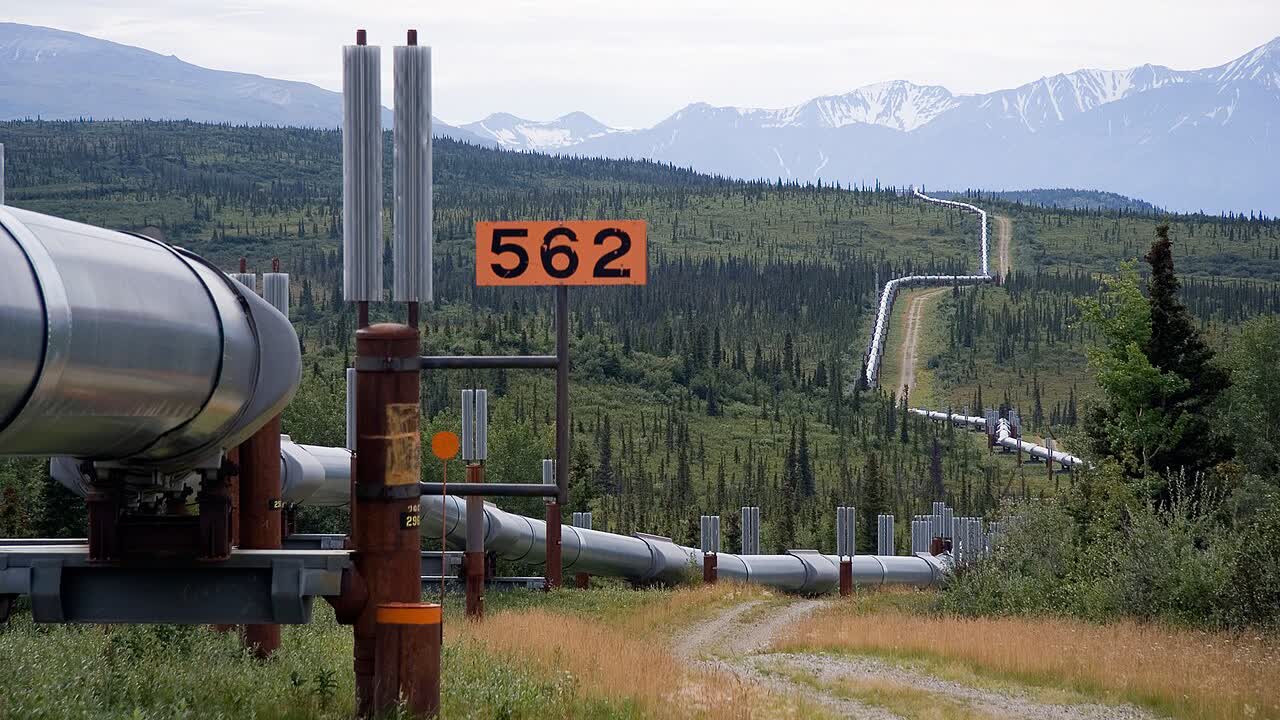
Of this total volume, 5.5 million cubic meters per day are transported to the capital Manaus. The transport is carried out through a pipeline extending 663 kilometers. The gas production of Petrobras in Urucu today is equivalent to the entire production of the Campos Basin.
The Largest LPG Plant of Petrobras is Located in Urucu
In the Arara Pole, within the Urucu base, is the industrial plant of Petrobras. There, Petrobras operates the largest Natural Gas Processing Unit (UPGN) in Brazil. This unit has the capacity to generate 1,000 tons of LPG (cooking gas) daily. This volume corresponds to 84,600 13-kilogram cylinders per day. It is the largest LPG processing plant operated by Petrobras in the country.
The LPG processed by Petrobras in Urucu is essential for energy supply. It meets the demand of all seven states in Brazil’s Northern Region. In addition, some states in the Northeastern Region also receive the cooking gas produced at Petrobras‘s Amazon unit. The operation ensures continuous supply for millions of Brazilians.
Amazon River Mouth (Expert View)
The original text by Vitor Padua, the source of this information, also addresses the debate over exploration at the Amazon River Mouth. He contextualizes the situation of the FZA-M-59 block, where Petrobras is awaiting authorization to drill. Padua states that, contrary to what is stated, the block is located 500 km from the mouth of the Amazon River, not at the mouth.
He emphasizes that the area is not a virgin environment but rather an intense shipping route. Padua also notes that 95 exploratory wells have already been drilled in the Amazon River Mouth Basin, primarily in the 1970s and 1980s, with the last one drilled in 2011. Given Petrobras‘s consolidated operation for 38 years in the Amazon, he questions the opposition to exploration on the equatorial margin.