





 Portuguese
  English
  Spanish
  3 min of reading
  1 comment





Focusing on Efficiency and Cost Reduction, the Company Is Considering a New Voluntary Dismissal Plan for About One Thousand Eligible Employees, Promising to Cut Costs Without Losing Quality in Staffing and Indicating That Implementation Will Follow Internal Decision-Making and Communication Processes to the Workforce
Petrobras plans to implement a new voluntary dismissal plan in 2026 aimed at approximately one thousand employees, with eligibility likely including those already retired by INSS. The initiative, according to sources involved, integrates a strategy to reduce operational expenses and gain efficiency without compromising team qualifications.
The program’s design is still under definition at the company’s upper management levels, having already received approval from the board and awaiting deliberation by the board of directors. The company states that it continuously evaluates hiring and layoff needs, and that any decision will be approved and communicated internally to the workforce.
Who Is the Target Audience and What Criteria Are on the Table
Discussions include employees retired since 2019 who remain on the active roster, in accordance with applicable rules for mixed economy companies.
-
Casa CazéTV transforms internet chat into a live event during the World Cup, targeting over 100,000 fans in São Paulo and Rio, and boosts a Brazilian experience company that expects to grow up to 60% with shows, big screens, activations, and Brazil’s games.

-
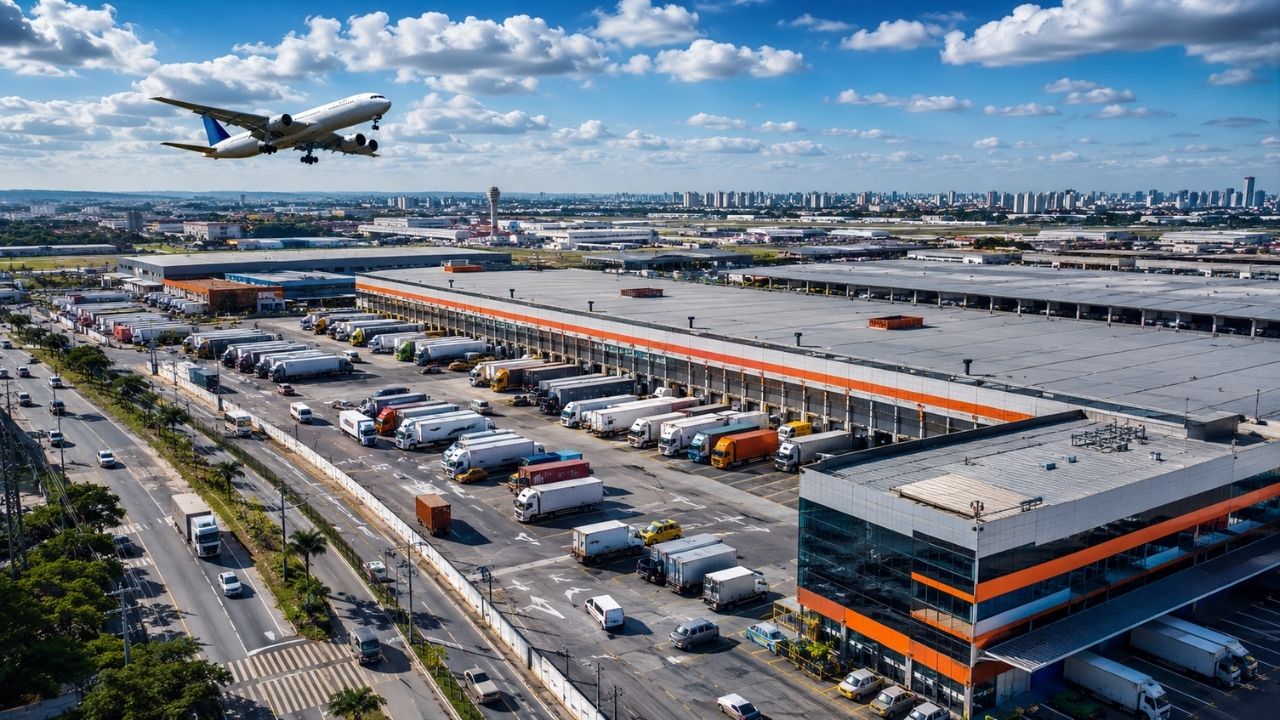
Guarulhos becomes the “Faria Lima of warehouses” with logistics square meter at R$ 37.11, more expensive than the São Paulo capital, while Shopee, Mercado Livre, Amazon, and billion-dollar funds compete for space near the largest airport in South America.
-
Amazon plans to invest more than R$ 1 billion to transform the Brazilian airport into a major cargo hub; the agreement with the city hall is expected to be signed by 2026 and could generate around 5,000 jobs.

-
Fan discovers that watching the 2026 World Cup may cost more than an international trip: variable tickets, expensive train, R$ 92 beer, and FIFA’s billion-dollar revenue turn the World Cup into a warning for the wallet.



The idea is to offer planned exit conditions to the eligible group while preserving the functionality of essential areas and operational continuity.
The eligibility criteria aim to balance renewal and knowledge retention.
In practice, Petrobras intends to mitigate the loss of critical skills through a planned transition, prioritizing arrangements that maintain operational safety and support for strategic assets.
What Does the Company Expect to Gain in Efficiency and Why
The central objective is to cut recurring personnel costs without resorting to abrupt measures, reducing impacts on corporate routine.
Voluntary programs tend to reduce future labor liabilities and provide predictability to workforce management, with a defined schedule and cost provisioning.
The choice of the VDP in 2026 is also related to the context of capital and productivity disciplines.
By calibrating the size and profile of the workforce, the company seeks to accommodate market fluctuations and protect margins while keeping projects and operations within safety, quality, and delivery parameters.
Where the Program Applies and How to Avoid Losing Quality
The plan should reach units in Brazil with a greater concentration of eligible personnel, respecting operational particularities.
Before each layoff, the trend is to map critical activities, function overlaps, and succession paths, reducing the risk of knowledge gaps.
To ensure continuity, the company may combine knowledge transfer, pairing in the field, and technical documentation.
This way, voluntary exits occur with less friction, while sensitive areas maintain performance indicators and asset integrity.
Processes, Timelines, and Decision Governance
The timeline outlines formal stages for approval, communication, and adherence.
After the green light from the board, the company details eligibility rules, enrollment window, financial estimates, and layoff conditions, with support channels for employees.
Governance requires transparency in disclosing criteria, compliance controls, and internal reporting on impacts.
The official message emphasizes that any decision will be approved at the appropriate levels and duly communicated to the workforce, with a focus on clarity and predictability.
Risks, Safeguards, and Operational Continuity
Programs of this nature may lead to concentration of exits in specific areas.
To mitigate this, the company tends to use technical limits for adherence by team and deferral systems when there is a risk to safety or operations.
Another front involves monitoring performance indicators after execution, checking productivity, overtime, and outsourcing.
If signs of operational pressure arise, allocation adjustments and reestablishing critical positions may be triggered.
By targeting one thousand eligible employees, Petrobras seeks to balance cost reduction and maintaining technical quality in staffing. The effectiveness of the new voluntary dismissal plan will depend on the final design, governance, and protection of critical knowledge. In your opinion, does a well-structured VDP improve efficiency or open gaps for loss of know-how in technical areas?







Que venha !!!!